Get Full Government Meeting Transcripts, Videos, & Alerts Forever!
Get email alerts on the Civil Rights Transgender Protections topic
No spam. Unsubscribe anytime.
Senate approves measure to expand anti‑discrimination protections after heated debate over schools, parental rights
Summary
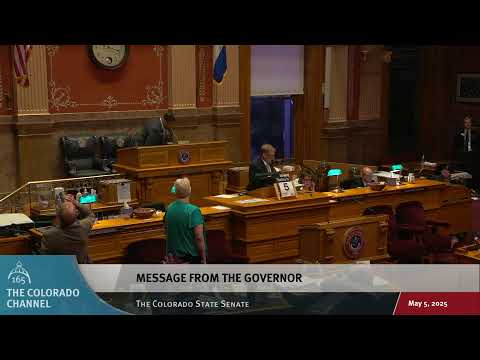
The Colorado Senate on Monday adopted House Bill 13-12, a measure sponsors called the Kelly Lovins Act, after hours of heated floor debate and several amendments that reshaped how the state treats chosen names and anti‑discrimination protections.
The Colorado Senate on Monday adopted House Bill 13-12, a wide-ranging measure the sponsors framed as expanding anti‑discrimination protections and supporters called the "Kelly Lovins Act," after hours of debate and a series of amendments that reshaped the bill.
The bill’s sponsors said HB13-12 aims to protect transgender and gender‑diverse people from discrimination in employment, housing and public accommodations and to clarify how schools handle students’ chosen names. Opponents said, even after amendments, the measure risked undermining parental authority and imposing confusing new duties on school officials.
The measure’s sponsor, Senator Janet Winter, said the bill would place protections for gender identity and expression explicitly within Colorado law and respond to testimony from transgender people and families who say they face daily discrimination. "This is about protection. This is about saving lives," Winter told colleagues on the floor (first reference: 03:09:26; transcript lines ~11366–11374).
Opponents, including Senator Mark Kirk Meyer and several other Republicans, said the bill as introduced had alarmed many parents who read a bill summary and feared courts or schools could override parental decisions about children. Kirk Meyer and others repeatedly described a wave of constituent messages and public testimony raising that concern (first reference: 03:05:00; transcript lines ~13125–13188).
What changed on the floor
Lawmakers amended the bill repeatedly. Sponsors and defenders removed several of the more contested provisions earlier in committee and then responded to floor concerns with additional changes, including: - Striking definitions and language that opponents said could be read to classify dead‑naming or misgendering as coercive control in custody decisions (several such passages were removed in committee and on the floor). - Adding a legislative declaration that frames the measure as an anti‑discrimination effort consistent with the Colorado Anti‑Discrimination Act (CADA). - Adjusting how government records and identity markers (driver’s licenses, ID cards, birth certificates) may be updated; sponsors negotiated limits and implementation dates for those changes and added a delayed effective date (the Senate adopted an amendment that allows multiple administrative updates but phases implementation; see clarifying details).
Floor debate and concerns
Debate on the chamber floor was lengthy and sharply divided. Supporters framed the measure as a public‑safety and civil‑rights bill for a population they said faces high rates of harassment and suicide risk. Senator Michaelson Janay and other Democrats described constituent outreach in favor of the bill and urged colleagues to back protections (first reference: 05:14:17; transcript lines ~19723–19751).
Opponents repeatedly emphasized parental rights and local control for schools. Senator Scott Bright called the bill "the war on parents," arguing it would allow schools and state authorities to intervene in family decisions and urging colleagues to reject it (first reference: 06:07:51; transcript lines ~18450–18503). Senator Jon Liston and others detailed constituent outcry in their districts and warned of practical complications for schools and parents if chosen‑name policies were implemented without parental notification.
Several senators urged compromise. Senator Kolker and others said the bill’s original, broader provisions had been narrowed and that some amendments were responsive to public concerns. Multiple senators urged colleagues to weigh the bill’s anti‑discrimination aims alongside parental concerns and local control.
Key amendments and procedural votes
- Judiciary committee report adoption: The committee of the whole reported and the Senate adopted the committee report by recorded vote (committee report adopted 23 ayes, 12 no) (transcript ~37462). - Amendment L016 (judiciary committee amendment): Adopted in committee and carried to the floor; sponsors said it removed the most contentious family‑law provisions (voice vote reported adopted). - Amendment L015 (technical amendments on marriage/civil union records): Adopted on the floor (division requested and chair confirmed adoption). - Amendment L035 (revised definitions, added CADA‑style legislative declaration, and implementation timing for ID changes): Adopted on the floor after division (the amendment reorganized and removed the bill language that had defined "dead naming" and "misgendering," added a broader chosen‑name definition tied to protected classes, and phased certain identification record changes to Oct. 1, 2026). - Multiple other floor amendments were proposed and rejected after roll calls or voice votes (for example, L024, L027, L034, L019, L037 — see the actions array below for status).
Final action and what it means
After debate and amendment, the Senate adopted HB13-12. The chamber recorded adoption of the committee of the whole report and later the final passage vote; the bill was placed on the Senate calendar for third‑reading and final passage activity and then reported as adopted in the Senate journal (House Bill 13-12 is recorded as adopted on the Senate floor during the May 5 session).
What the bill does — as amended
- Creates or clarifies protections tied to gender identity and gender expression under Colorado’s anti‑discrimination framework. The bill text as amended removes direct family‑law provisions that critics cited but keeps state‑level protections and guidance on how schools and agencies should treat chosen names and related records. - Directs changes to administrative procedures that govern changing gender markers or names on certain state records; sponsors negotiated a phased implementation (some record‑change provisions are delayed to provide time for operational adjustments). - Encourages local education providers to adopt written policies for handling chosen names, while the Legislature debated whether and how parents are to be notified; several floor amendments and votes addressed parental notification and record‑keeping.
Ending
Supporters described the measure as filling a gap in Colorado law and protecting a vulnerable group; opponents described ongoing concerns about parental rights and the role of schools. With the Senate’s passage on May 5, HB13-12 advances in the legislative process as the state incorporates the floor changes; the final statutory text and effective dates will determine how the measure is implemented and how school and record‑keeping policies will change locally.
Speakers quoted in this article are identified in the Senate transcript and are attributed by name and role where they spoke on the record.