Get Full Government Meeting Transcripts, Videos, & Alerts Forever!
Get email alerts on the Transportation Intersection Signal topic
No spam. Unsubscribe anytime.
City, state agree to split cost of traffic signal at Brundage and Bighorn
Summary
The Sheridan City Council approved a cooperative agreement with the Wyoming Department of Transportation to install a traffic signal at the Brundage Lane and Bighorn Avenue intersection. Each party is expected to pay roughly $632,000; design work will begin with a $50,000 city contribution and construction is targeted for 2027.
The Sheridan City Council voted to approve a cooperative agreement with the Wyoming Department of Transportation to install and maintain a traffic signal at the intersection of Brundage Lane and Bighorn Avenue.
City staff told the council a 2024 YDOT traffic study found the intersection’s level of service is likely to worsen under projected traffic growth. YDOT compared keeping the current two‑way stop, switching to an all‑way stop, installing a roundabout and installing a traffic signal; engineers concluded a roundabout or signal would deliver the best long‑term traffic flow, and the signal proved less costly and less disruptive to right‑of‑way than a roundabout.
The state estimated the total construction cost at about $1,260,000; under the agreement each party would pay about half, roughly $632,000. The city has budgeted $50,000 of public‑benefit funds this year to begin design work. YDOT staff said the project is intended for construction in 2027, although construction could move to 2028 depending on the state program and funding timing.
City staff described the purpose of the agreement as setting “terms and conditions by which YDOT will install and the city will maintain a new traffic signal at the intersection.” Council discussion noted alternatives considered, including a low‑cost all‑way stop, which would not materially improve level‑of‑service over the existing conditions.
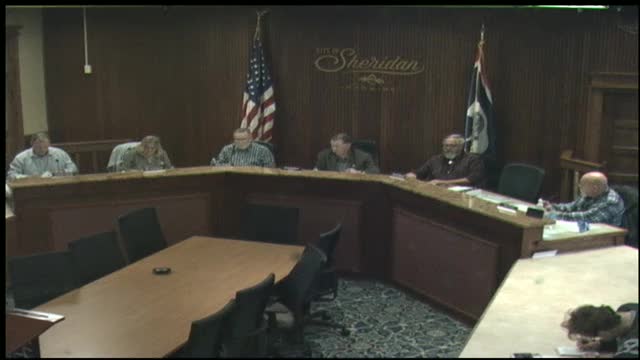
The council approved the agreement by voice vote. Councilmember Bev moved the approval and Councilmember Terry seconded; the motion passed.
Why it matters: the intersection has frequent calls to city staff about delays and safety. A traffic signal would aim to keep intersection performance at or above current levels under projected traffic growth.