Get Full Government Meeting Transcripts, Videos, & Alerts Forever!
Get email alerts on the Humanitarian Aid Gaza topic
No spam. Unsubscribe anytime.
UN says Gaza blockade, distribution plan risk leaving large parts without aid; urges immediate lifting
Summary
The United Nations reiterated that an Israeli plan for aid distribution in Gaza would violate humanitarian principles and warned that weeks-long restrictions have depleted supplies, interrupted water and fuel services and increased looting of warehouses.
The United Nations told reporters that a plan presented by Israeli authorities for distributing aid in Gaza would leave “large parts of Gaza, including the less mobile and more vulnerable people, … without supplies,” and that the UN humanitarian country team “will not participate in any scheme that does not adhere to the global humanitarian principles of humanity, impartiality, independence, and neutrality.”
The UN spokesperson said Israeli authorities have blocked all supplies from entering Gaza for nine weeks and that bakeries and community kitchens have shut, warehouses stand empty and children have gone hungry. The spokesperson added that the design of the plan “appears designed to reinforce control over life sustaining items as a pressure tactic as part of a military strategy.”
UN humanitarian operations in Gaza have reported daily incidents of robbery and looting, including attempts targeting UN warehouses. Where security can be maintained, guards have in some cases prevented looting, but many facilities were already emptied after more than two months of blockade. The Office for the Coordination of Humanitarian Affairs (OCHA) has warned that air strikes and other attacks continue across the Gaza Strip and that water and sanitation systems have failed where fuel is not available.
The spokesperson said a major water line from Israel was damaged last week, cutting northern Gaza's supply by half; repair teams worked with Israeli authorities to restore part of the supply. UN teams were able to retrieve some fuel from a station in Gaza City after facilitation by Israeli authorities, but much fuel remains inaccessible because Israeli authorities have denied access to other areas, including Rafah, where no retrieval attempts have been facilitated since April 18. The lack of fuel has degraded water pumping, sewage treatment and life-saving hospital services including intensive care units and ambulances.
Humanitarian aviation has also been affected: UN humanitarian air service flights to and from Port Sudan were temporarily put on hold, and the spokesperson said OCHA will continue to assess impacts on the UN’s ability to bring supplies and staff into areas across the region. The spokesperson said the UN and its partners are ready to scale up deliveries “as soon as the blockade is lifted.”
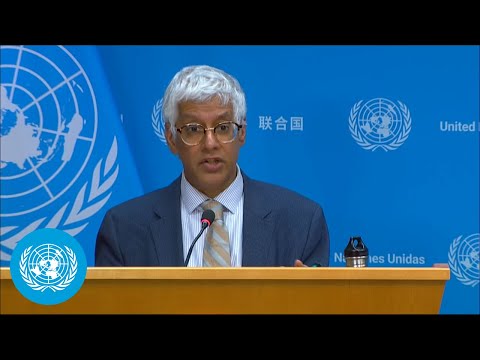
The UN statement and humanitarian country team comments were read by the UN spokesperson during a press briefing and reflect the organization's current public position; the briefing did not record any formal agreement from Israeli authorities on changes to allow the UN to operate under the stated humanitarian principles.
Ending: The UN said it remains prepared to deliver aid at scale if corridors and procedures can be established that preserve humanitarian principles, and reiterated calls for an immediate ceasefire and the unconditional release of hostages.