Visit Grants Pass reports steady tourism gains, outlines marketing plan and TLT breakdown
Loading...
Summary
Visit Grants Pass and its marketing contractor presented 2023 visitor spending estimates, a 2024 marketing plan and a breakdown of Transient Lodging Tax (TLT) collections, and answered council questions about data sources, Main Street Grants Pass and how businesses are chosen for promotions.
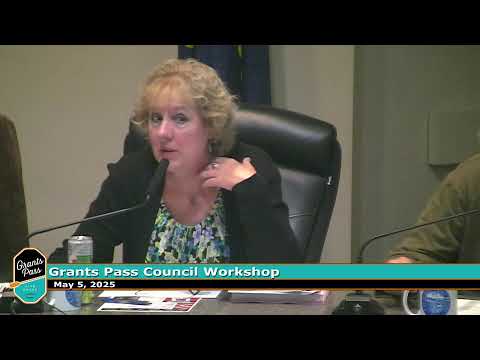
Dan Buck, who represents the local Destination Marketing Organization Visit Grants Pass, told the Grants Pass City Council at a workshop presentation that the DMO’s work aims to drive local economic activity while protecting livability.
“Number one, we work for the community to message, market Grants Pass,” Buck said. “Economic development ... is the closest thing that’s nearest and dearest to my heart.”
The presentation included three outside representatives from DVA Advertising & PR in Bend: Dustin Fletcher (account manager), Christian Polk (digital director) and a data specialist who described how the DMO measures advertising impact. DVA outlined an integrated program of search and social advertising, earned and paid media, SEO and familiarization (FAM) trips for travel writers to attract visitors from drive markets beyond a 50‑mile radius.
Why it matters: Visit Grants Pass said tourism supports jobs and retail in Josephine County and helps sustain downtown businesses through shoulder seasons. The DMO framed its role as bringing “the right people” to town — visitors who will support local businesses without undermining livability.
Key numbers and methods
- The presentation cited 2023 visitor spending for Josephine County of about $172,000,000 and employment “over 2,000,” with a note that 2024 Dean Runyon industry numbers would be available later in the month. - The panel described a total local Transient Lodging Tax (TLT) of 12 percent on overnight stays inside city limits. Buck said the state portion is 1.5 percent and that the remainder is made up of locally imposed percentages that have accrued over time. - DVA described using STR (Smith Travel Research) lodging reports, credit‑card and mobile device data (via a partner described as Datafy) and Dean Runyon estimates to attribute advertising to hotel nights and visitor spending. Christian Polk said those partnerships let the DMO estimate trips, visitor days and average length of stay tied to ad exposure. - The DMO presented several campaign return metrics it tracks; one graph cited an estimated $40,680,000 in campaign economic impact tied to a $39,000 investment and an aggregate claimed return per advertising dollar. (The DMO presentation slides and data partners were cited as sources for these figures; 2024 figures were not available at the time of the workshop.)
Programs and local coordination
Buck described recent accomplishments including the formal launch of Main Street Grants Pass, funded initially with a $50,000 grant written by a predecessor staffer, and a recent Grants Pass branding unification project intended to align local messaging. The DMO and DVA said earned media placements and influencer/FAM trips are important parts of their strategy.
DVA emphasized content‑forward work (articles and itineraries on visitgrantspass.com), paid digital retargeting to convert interest into bookings, and collaborations with local asset creators (video, photography and social media content). Fletcher and Polk named local staff and contractors who support the program, including Griffin Storm (marketing manager, Visit Grants Pass) and Kate Battles (organic social manager).
Council questions and follow up
Council members asked about data back to pre‑COVID years, how businesses are selected for promotional materials, the share of cash vs. card spending in restaurants and the DMO’s emphasis on off‑season promotion.
Buck said the DMO can provide Dean Runyon reports back to roughly 2013 for historical comparisons and agreed to provide comparisons with peer communities in Southern Oregon. On business selection, he said the DMO uses judgment about what will attract out‑of‑area visitors and that Main Street Grants Pass focuses on internal community promotion.
Outcomes and next steps
No formal council action was required on the presentation. Council members requested that staff circulate the 2024 Dean Runyon report when available and asked for follow‑up data comparing Grants Pass to neighboring markets.
Ending
Buck stressed the DMO’s dual goals: supporting local economic vitality and protecting livability. He told council members he would send the 2024 numbers when Dean Runyon’s report is released later in the month.