Get Full Government Meeting Transcripts, Videos, & Alerts Forever!
Get email alerts on the City Budget topic
No spam. Unsubscribe anytime.
Budget committee hears LAX revenue pressures, requests to restore jobs at animal services and zoo
Summary
The Los Angeles City Council Budget, Finance and Innovation Committee heard multi‑department budget hearings, including a presentation from Los Angeles World Airports on lower passenger forecasts, requests from Animal Services and the Zoo to restore staffing, and appeals from Cultural Affairs and libraries about program cuts and deferred capital.
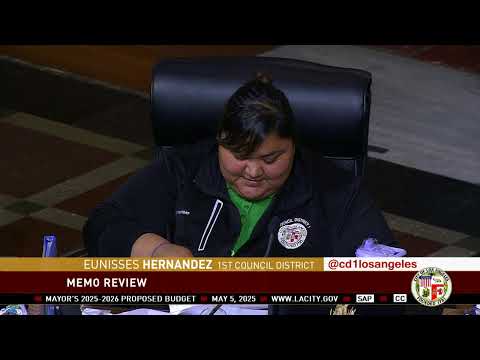
The Los Angeles City Council Budget, Finance and Innovation Committee met May 6 to review the mayor’s proposed 2025–26 city budget and hear departmental requests for restorations and clarifying memoranda.
Los Angeles World Airports (LAWA) told the committee the airport enterprise remains legally separate from the city’s general fund and faces lower passenger forecasts that are reducing discretionary revenue available for businesses that operate at LAX. LAWA representatives said operating revenues are roughly $1.29 billion and that passenger volumes remain below 2019 levels; airport staff urged coordination with other city departments to reduce costs and speed project delivery where airport work intersects city permitting and hiring processes.
The Department of Animal Services asked the committee to restore vacant and filled positions that the mayor’s proposal would eliminate. Interim General Manager Janet Ramírez told the committee restoring five vacant positions and one filled accounting position would cost about $684,000 and said the department is also asking for funds to maintain minimum care standards, cover contractor costs for repairs and veterinary services, and support volunteer programs. Animal Services warned that cuts would reduce enrichments for dogs and could increase behavioral issues and bites, and it described partnerships with community organizations at two shelters where contractor-operated sites provide services.
The Los Angeles Zoo said proposed cuts would reduce staff by roughly 19 percent of program positions and threaten day‑to‑day maintenance and animal care labor. Zoo General Manager Denisse Pérez described the risk of greater deferred maintenance, increased overtime for remaining staff and impacts to capital projects. Committee members pressed for a budget memorandum comparing costs and impacts for options the zoo listed, including the costs of relocating elephants and the budget effect of changes in the zoo’s membership and nonprofit partner arrangements.
Representatives from the Department of Cultural Affairs, El Pueblo de Los Angeles Historical Monument, the Los Angeles Public Library, Tourism, and neighborhood‑council support (EmpowerLA) each described program reductions they said would materially reduce services, community outreach, grants and contract capacity. Cultural Affairs said the proposed cuts would eliminate dozens of positions and reduce grant funding that supports festivals, theaters and year‑round arts programming; staff asked the committee to consider funding restorations using the department’s cash balances and requested memoranda quantifying local economic impacts from program reductions.
The City Clerk/Actuary office and the City Controller’s office described operational impacts from vacant accounting and contracts positions. Staff from the municipal actuary noted persistent delays and capacity limits in contract execution and in processing vendor payments and asked for targeted restorations or studies to speed procurement and invoice processing.
Pension system representatives (LASERS and the Fire and Police Pensions) presented financial updates. LASERS staff said the system remains broadly funded and described the investment approach to withstand market volatility. Police and Fire Pensions reported improved funded status after recent investment returns and noted that any change to a “true‑up” contribution methodology would require reliable payroll inputs and could introduce year‑to‑year volatility in the city’s contribution rate.
Committee process items and next steps: committee members proposed a set of amendments and asked many departments for follow‑up memoranda and several proposed conversions of budget memoranda into special studies to reduce the number of separate staff memos. The chair presented a motion to adopt the committee’s memorandum list with the day's modifications; committee members then proceeded to prioritize memoranda for follow‑up and directed staff to circulate a revised list.
Votes at a glance - Motion to adopt the committee’s list of memoranda with member modifications — motion presented by the committee chair; no roll‑call vote recorded in the transcript; members proceeded with the committee’s prioritized list by consensus and requested memoranda and special studies.
What the committee asked departments to provide next - LAWA: a budget memorandum on interdepartmental reimbursable services, hiring classifications and feasibility of absorbing affected general‑fund employees. - Animal Services: a budget memo that (1) identifies administrative efficiencies or possible reassignments and (2) quantifies the cost and programmatic impact of the proposed deletions and possible fee increases for breeders/permits. - Zoo: a budget memo detailing costs and operational implications of relocating elephants and of the proposed staffing reductions, including effects on accreditation and deferred maintenance. - Cultural Affairs: a memorandum quantifying the local economic contribution of cultural programs, the impacts of proposed cuts on festivals and centers (including Watts Towers/Watts and the Center at Lankershim), and options to restore positions using departmental cash balances. - City Controller/Actuary: information on invoice volumes, department‑by‑department backlog and options for expediting contract execution and payments. - Pensions: an analysis requested by council members on the feasibility and budget impact of a contribution “true‑up” for FY 2025–26 (city payroll data required).
The committee scheduled follow‑up hearings and asked the City Administrative Officer and departments to provide prioritized memoranda before the committee reconvenes.