Get Full Government Meeting Transcripts, Videos, & Alerts Forever!
Get email alerts on the Open Government topic
No spam. Unsubscribe anytime.
Porterville charter committee told Brown Act limits email discussion; staff to seek Form 700 guidance
Summary
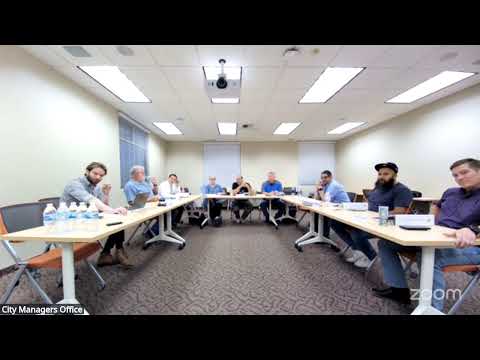
At its first meeting the Porterville Charter Review Committee was briefed on open-meeting rules, risks of serial communications and potential Form 700 filing requirements; staff will ask the city attorney for clarification and training resources.
At the committee’s first meeting members were warned that California’s open-meeting rules limit how they may communicate outside public sessions and that failing to follow them could nullify committee work.
Alexander Reid Crace, an attorney on the committee, said “the city wanted this to be subject to the Brown Act because we’re giving legislative advice.” Members discussed that substantive exchanges over email or serial phone calls could create a prohibited “serial meeting” and that such communications could require the council to scrap the committee’s work if challenged.
The committee’s chair, Greg Schell, described the practical risk to the group: “If we screw it up, basically they would scrap everything we did and have to form a new committee and start all over.” Members also flagged financial‑disclosure questions under FPPC rules: speakers noted Form 700 reporting thresholds and recusal practices discussed in general terms (for example, a speaker described disclosure requirements for recurring payments of $10,000 a year and property interests within a 300‑foot influence radius).
Staff member Fernando Gabriel Moraga said he would gather materials and stated he could provide a copied resource packet and print email communications on request. The committee asked staff to request a written clarification from the city attorney about whether committee members must file Form 700 and whether formal Brown Act training or a short briefing should be provided.
The committee emphasized transparency: members were repeatedly urged to avoid any pattern of private communications that could create the appearance of deliberation outside public meetings.
The city staff follow‑up requested by the committee includes Brown Act guidance for members, the city attorney’s position on Form 700 filing for this advisory body, and whether the attorney or staff should perform any recommended housekeeping review of the charter.