Get Full Government Meeting Transcripts, Videos, & Alerts Forever!
Get email alerts on the Gaza Humanitarian Crisis topic
No spam. Unsubscribe anytime.
UN: Two-month blockade on Gaza is deepening humanitarian catastrophe, fuel and water running out
Summary
The United Nations said the blockade on Gaza, now in its second month, has left fuel and supplies critically low, hampering water, sanitation and medical services and increasing civilian casualties.
The United Nations said on Friday that two months of a near-total blockade of Gaza have caused “more irreversible harm” to civilians, with fuel shortages crippling water and sanitation services and emergency response.
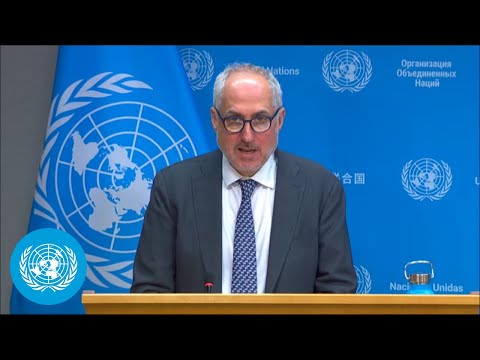
UN Spokesperson Steph said the blockade — which the briefing described as imposed by Israeli authorities — has left food stocks depleted and fuel largely inaccessible, adding that “the longer this blockade continues, the more irreversible harm is being done to countless lives in Gaza.”
The UN briefing said fuel shortages have left many water and sewage systems unable to operate. The municipality of Beit Lahia in northern Gaza told UN colleagues it could no longer pump water or run sewage and sanitation systems. The Palestinian Civil Defense reported that only eight of its 12 firefighting, rescue and ambulance vehicles remain operational.
Humanitarian partners and OCHA also reported renewed hostilities across Gaza’s five governorates over the previous 48 hours, including air strikes, tank fire and heavy shelling in residential areas. The briefing said scores have been killed or injured, including civilians staying in tents and displaced people; recent incidents cited included farmers reportedly found dead in eastern Khan Yunis and farmland set on fire in north Gaza. A fisher was also reported killed off the coast of the Gaza Strip.
The UN warned that rising violence combined with blocked supplies is increasing dependence on food aid that is either depleted or rapidly running out. The spokesperson called attention to the mounting humanitarian needs while noting limited access for delivering assistance and the risk of further civilian harm.
The briefing did not announce any new UN operational measures or Security Council actions; it repeated appeals for unhindered access for humanitarian supplies and for hostilities to cease.
Looking ahead, UN staff said access constraints and the scale of damaged civilian infrastructure will complicate relief and recovery unless the flow of supplies is restored and protective measures for civilians are observed.