Get Full Government Meeting Transcripts, Videos, & Alerts Forever!
Get email alerts on the Education topic
No spam. Unsubscribe anytime.
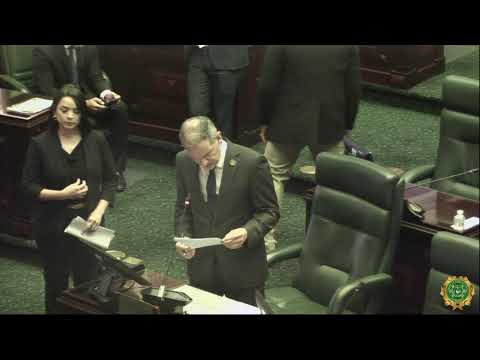
House approves bill banning personal electronic devices for elementary and intermediate students (Project 179)
Summary
The House approved Proyecto de la Ce1mara 179, as amended, prohibiting personal electronic devices in public schools at elementary and intermediate levels with specified exceptions. The measure passed 40-8 after extended debate about education, health and implementation details.
The Puerto Rico House of Representatives approved Proyecto de la Ce1mara 179 on May 15, 2025, with an amendment narrowing the ban to elementary and intermediate levels. The final recorded vote was 40 in favor, 8 against.
Sponsor Representative Navarro Suf3rez presented the bill as a response to what he and supporting witnesses described as widespread distraction and harm from students' use of personal devices. Navarro Suf3rez referenced scientific and health testimony presented to the committee, and said the Department of Education supports the measure. He cited examples he said were observed in schools: students using devices during lunch and breaks and diminished peer interaction.
Floor amendment and exceptions: Lawmakers approved in-room amendments to change the scope to "elemental e intermedio" (elementary and intermediate levels) rather than including all grade levels. The measure retains explicit exceptions: supervised educational use "cuando un dispositivo electrf3nico sea utilizado con fines educativos bajo la supervisif3n directa de un maestro o personal autorizado"; emergencies where a student must communicate with parents under school supervision; and reasonable accommodations for health or disability supported by medical certification (referenced on the floor as "acomodo razonable").
Opponents, including Representative Laura Robles (an educator), argued the bill uses absolute prohibitions and lacks sufficient, clear protocols for exceptions and for implementation during field trips and supervised extracurricular activities. Robles raised concerns about parental communication, privacy, and the need for detailed regulations and sanctions established by the Department of Education and existing special-education law (Ley 51).
Proponents maintained that principals and school staff should have discretion to determine how devices are stored (for example, in a locked box or bag) and argued that similar policies in private schools and foreign jurisdictions improved attention and social interaction. Navarro Suf3rez said the bill allows pedagogical use under supervision and leaves emergency protocols to school administrators.
The House placed the amended measure on the final vote calendar and, after a 30-minute final voting period, recorded the tally: 40 yes, 8 no. The session record indicates the Department of Education had provided support on the floor; the bill's text as amended will require departmental regulation for implementation.
Key immediate next steps: the measure passed the House; any implementing regulations and enforcement protocols were not adopted on the floor and will be administered by the Department of Education if enacted into law.