Get Full Government Meeting Transcripts, Videos, & Alerts Forever!
Get email alerts on the Housing topic
No spam. Unsubscribe anytime.
Architects and residents urge caution on regulating Galveston alley-access lots
Summary
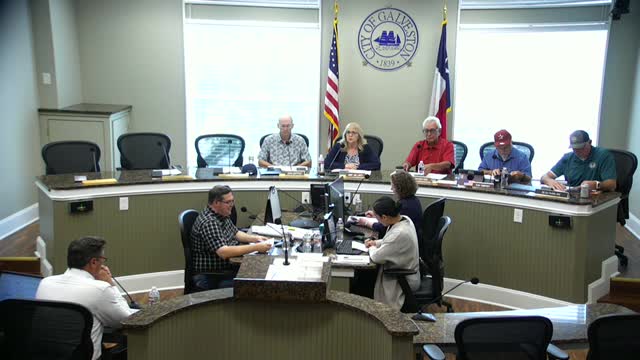
During public comment at the May 6 Galveston Planning Commission meeting, residents and a local architect urged the commission to consider the city’s historical development pattern and potential housing impacts before tightening rules on alley-access lots.
Several residents and local design professionals used the public-comment period at the May 6 Planning Commission meeting to urge caution in any regulatory changes to alley-access lots, saying the pattern of rear dwellings and garage apartments is a long-standing part of Galveston’s urban fabric and may support homeownership and workforce housing.
Brax Easterwood, a local architect and planner, told commissioners the alley-access pattern is a “historical pattern that’s unique to Galveston,” and asked the commission to weigh cultural and housing impacts in addition to technical and public-safety considerations. Easterwood said he sees little difference between an alley-access lot and a garage apartment on the same parcel, and suggested stricter rules could reduce options for lower-cost ownership or rental units.
Several residents asked whether proposed regulations would affect existing occupied alley lots. One speaker who gave an address on Avenue M asked whether owners of properties with rear apartments would be affected and voiced concern about the city splitting lots; the commission’s chair and staff declined to answer during public comment and offered to meet after the meeting with Tim Tejens and Catherine (staff) to discuss details.
Taris Woods echoed Easterwood’s remarks, saying alley-access apartments have existed for decades in Galveston and that residents need clearer explanations about which lots would be affected. Woods also raised a separate concern about a recent increase in water-tap fees, referencing a prior tap cost of about $6,700 and suggesting current costs had risen to roughly $3,500 (the transcript records the exchange but does not provide an authoritative fee schedule).
Commission staff reminded speakers that the public-comment period is not a forum for direct responses and invited attendees to speak with staff after the meeting. Staff did not provide policy changes at the hearing; several speakers said they had attended the workshop series and wanted more clarity on which lots (vacant vs. occupied) would be affected by any forthcoming code amendments.
Ending: Staff offered to meet individually with speakers after the meeting; no formal action was taken during the public-comment period. If the commission moves forward on code changes related to alley-access lots, the transcript indicates staff and commissioners expect follow-up workshops and formal hearings.