Get Full Government Meeting Transcripts, Videos, & Alerts Forever!
Get email alerts on the Municipal Budget Tax Differential topic
No spam. Unsubscribe anytime.
Cambridge leaders urge Dorchester County to preserve municipal tax differential during budget talks
Summary
Mayoral and municipal leaders pressed the Dorchester County Council during a May 6 public hearing to keep the municipal tax differential intact, proposing loans from the county fund balance and other steps to avoid steep tax increases in Cambridge and other towns.
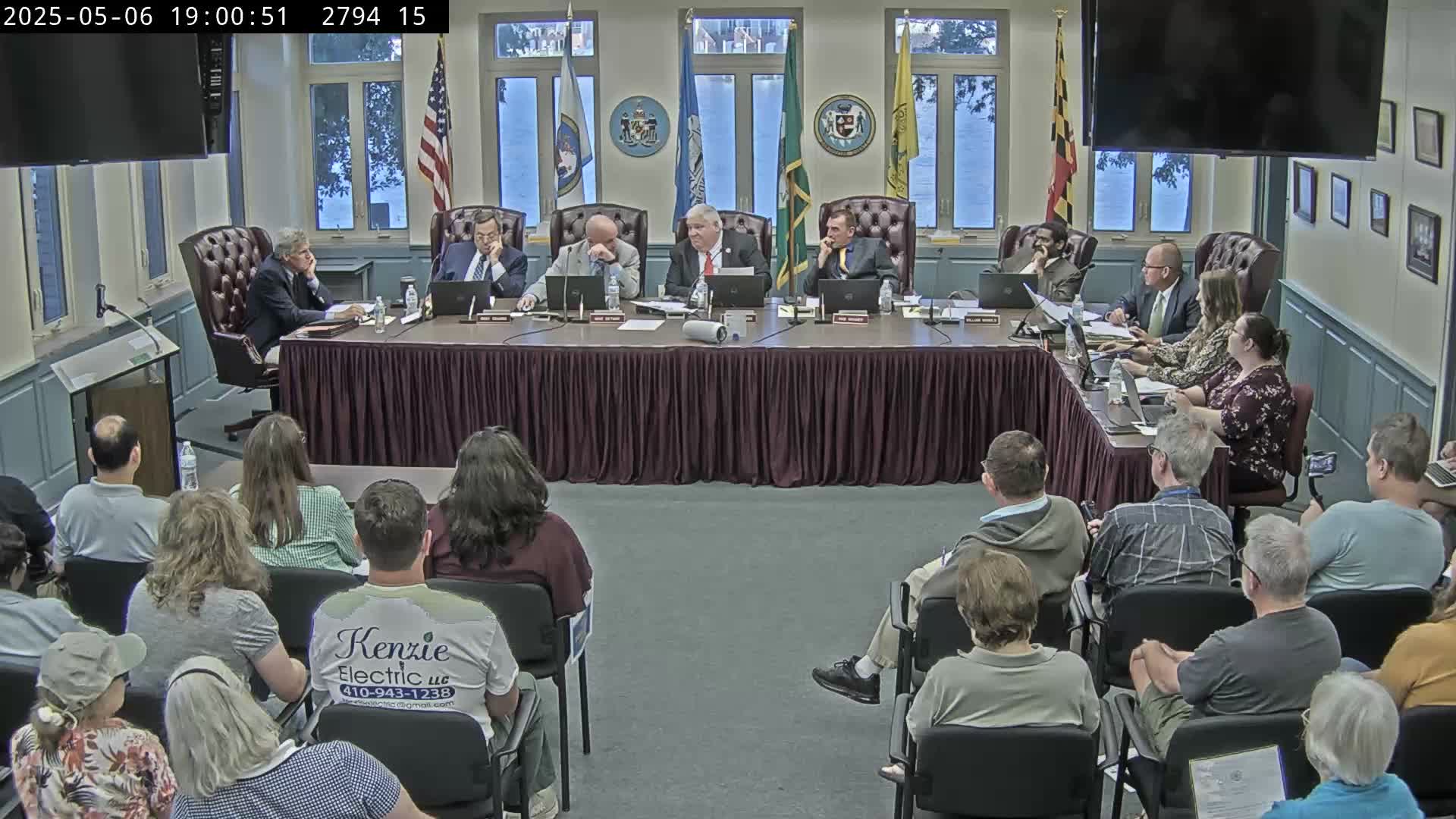
Cambridge Mayor Lejane Cephas and several municipal officials urged the Dorchester County Council on May 6 to retain a municipal tax differential the county is considering removing as it works to balance the FY26 budget.
The appeal came during a public hearing on the county's proposed budget. “A loss for Dorchester County is a loss for Cambridge,” Mayor Lejane Cephas said, urging the council to protect the differential and proposing alternatives including a short-term loan from the county's fund balance and cutting paving by three miles to save about $600,000.
The plea followed a presentation by county staff showing a general fund cash-on-hand balance of $29,744,198.39. Cambridge officials said removing the differential would have immediate effects on home sales and affordability: Mayor Cephas told the council the city added about $40 million in taxable property value last year and expects more new value in the coming year, and that losing the differential could push estimated tax increases for some Cambridge taxpayers above 10 percent.
Municipal officials offered specific options. Mayor Cephas proposed (1) keeping the differential, (2) allowing a loan from the county fund balance to smooth budget shortfalls and (3) creating a county “revenue options task force” to find new revenue streams. The Hurlock town manager and Church Creek mayor also asked that any county tax increases be applied equitably and that small municipal rebates (for example, a $450 rebate per small municipality) be retained to support services such as trash cleanups.
Several residents and municipal officials testified that removing the differential would disproportionately affect recent and prospective homebuyers in new developments such as Deep Harbour and would undermine ongoing housing sales. Toni Tripagulz, treasurer of the Deep Harbour Master Association, said her own tax credits amount to a $955 savings and warned that higher taxes could deter buyers. Past Cambridge mayor Cleveland L. Rippon asked for a follow-up meeting with county staff and council members to go over financial details.
Cambridge waterfront development interests also addressed the council: Frank Nard, board treasurer and finance chair for Cambridge Waterfront Development (CWDI), thanked the council for prior support and asked the council to maintain a $72,000 line in the proposed FY26 budget to help fund CWDI's operating budget and the hiring of a full-time executive director.
The council accepted public comment and closed the hearing for the night; a second public hearing on the budget was scheduled for the following Tuesday at 6 p.m. The council introduced, for later public hearings, two separate pieces of legislation during the meeting: a bill to close and convey a portion of Farm Creek Road and a bill to amend the county code on shoreline erosion tax credits. Both were introduced for future public hearings, not decided at this meeting.
The municipal appeals reflected widespread concern about transparency and the pace of budget decisions. Several speakers asked for more detailed budget documentation before final votes; one resident contrasted Dorchester County’s 14-page budget document to longer, line-level budget books published by neighboring jurisdictions.
The council did not take a final vote on the proposed FY26 budget at the May 6 meeting; it recorded public testimony, introduced the two bills noted above for future hearings and scheduled a second hearing as required before any final adoption.