Get Full Government Meeting Transcripts, Videos, & Alerts Forever!
Get email alerts on the Comprehensive Plan Survey topic
No spam. Unsubscribe anytime.
Commission signs off on community survey approach for Comprehensive Plan Phase 2; asks for edits by May 16
Summary
Planning staff presented a draft web survey and outreach plan for the Comprehensive Plan Phase 2 update, and commissioners suggested wording changes, broader outreach methods and a firm date for commissioners' comments: May 16.
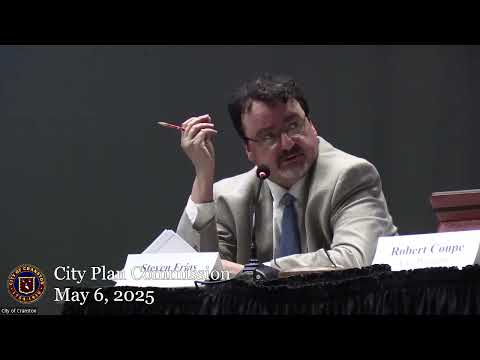
The Cranston City Planning Commission reviewed a draft community survey intended as part of phase two of the city’s comprehensive plan update and agreed to a brief public comment window for commissioners to propose edits.
Director Ashman told the commission the survey platform will be web‑based and promoted over months through workshops, posters, QR codes and events such as farmers’ markets and library postings. Ashman said the survey is intended to broaden outreach beyond routine planning meetings: "This is just one tool to reach beyond people who come to planning meetings," and staff asked commissioners to submit suggested edits.
Commissioners and staff discussed outreach and question wording. Commissioner Renzulli flagged several questions as potentially leading and suggested adding ranking/rating mechanics rather than simple “select three” responses; she also asked for safeguards to avoid repeated submissions from the same IP address. Commissioner Mancini suggested working with Cranston Public Schools to place a notice in the district’s weekly parent bulletin; Commissioner Renzulli named Assistant Superintendent Norma Cole as the staff contact who can coordinate distribution. Director Ashman asked commissioners to submit any written comments by the end of the week and set a firm deadline: submissions due by May 16.
Ashman and staff told commissioners the survey is not a statistically representative poll but a self‑selected outreach tool; results and respondent demographics (age, ZIP code) will be presented to the commission after the survey period closes so the commission can assess sample skew and weigh survey input against other outreach results.
Next steps: staff will publish the survey on the consultant’s web platform, promote it at scheduled engagement events and return aggregated results and a summary of respondent demographics to the commission for consideration.