Get Full Government Meeting Transcripts, Videos, & Alerts Forever!
Get email alerts on the Ordinances Notices Floodplain topic
No spam. Unsubscribe anytime.
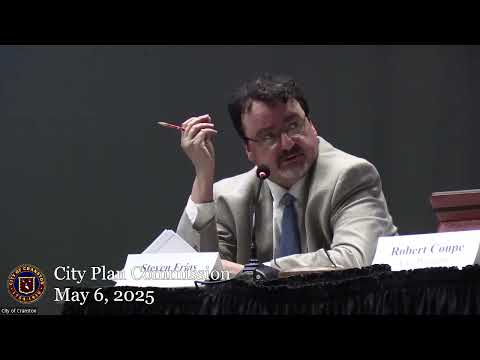
Planning commission reviews ordinance "cleanup" package, debates mail-notice method and floodplain appeals
Summary
The Cranston City Planning Commission reviewed a packet of mostly technical ordinance amendments and debated whether to require post‑office certificates of mailing or retain a notarized affidavit for required public notices, and whether to move certain floodplain appeals to the building board of appeals.
The Cranston City Planning Commission on an agenda item on draft ordinance proposals discussed a package of mostly technical "cleanup" changes — definitions aligned to state law, historic‑district notice alignment, removal of certified‑mail newspaper advertising requirements and other clarifications — and debated two substantive procedural issues: proof of mail notice and which board should hear some floodplain management appeals.
The discussion mattered because the changes affect how the city notifies neighbors about zoning and planning matters, how the city handles certain floodplain variance appeals and whether applicants would face new Unified Development Regulation fees. Director Ashman described the packet as largely technical: "What you have here are mostly what we call cleanup items," and said some larger measures (inclusionary zoning, accessory dwelling units) were being held for later meetings.
On notice procedures, the commission considered three options for proving that required first‑class mailings occurred: (1) a notarized affidavit from the sender (the present staff recommendation), (2) a certificate of mailing from the U.S. Postal Service (a roughly $2 additional fee per piece of mail), or (3) retaining certified mail. Commissioner Lamphere argued the notarized affidavit is typically sufficient; in reply staff noted a certificate of mailing costs about $2 per piece compared with first‑class postage (discussed in the meeting as about $0.73). The planning director told commissioners the department had sought to reduce costs and that even with a certificate of mailing the department’s overall advertising costs would still be lower than current practice.
Commissioners raised practical and equity concerns. Several said they favored the lower‑cost affidavit route to avoid adding fees that could impede implementing the city’s comprehensive plan, and one commissioner suggested augmenting mailed notice with city website and library postings that the department already uses. Solicitor Marcello cautioned the commission to consider waiting until the state legislative session ends in June before forwarding ordinance changes so the city can avoid conflicts with any last‑minute state statutory changes.
The commission also discussed a staff proposal to reassign appeals related to the special flood hazard area from the zoning board to the building board of appeals because the latter has technical expertise in building code and permits. Attorney and public commenter Robert Murray argued that the change could create statutory and procedural inconsistencies and recommended either moving the floodplain rules out of the zoning ordinance entirely or ensuring the change is reflected consistently across related code sections. Director Ashman said staff would review the comments and follow up with the solicitor.
No formal vote was taken on the ordinance package at the meeting. Commissioners signaled a preference to delay formal referral to the City Council until the state legislative session concludes so staff can reconcile any state changes, while taking the commission’s feedback on notice procedure and the floodplain appeal proposal into account.
Fiscal and procedural clarifications raised in the meeting include the certificate‑of‑mailing cost (discussed in the meeting as about $2 per piece), the option to accept a notarized affidavit as proof of mailing, and staff’s note that some charter changes (for example changes to how newspaper notice is handled in the charter) would require voter approval and therefore were not included in the immediate package.
Looking ahead, staff will incorporate commissioners’ comments, check statutory cross‑references (including the state enabling zoning statute), and return a revised draft to the commission for further direction before sending any items to the City Council.