Get Full Government Meeting Transcripts, Videos, & Alerts Forever!
Minnesota Medicaid Fraud Unit urges more staff, statute changes and data access to curb provider abuse
Summary
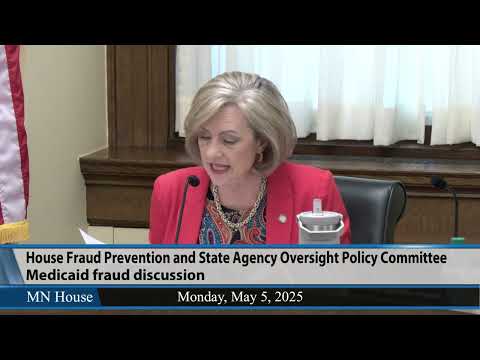
Attorney General Keith Ellison and Medicaid Fraud Control Unit Director Nick Wonka told the House Fraud, Waste and State Agency Oversight Committee the unit needs more staffing, clearer statutes and better access to data to detect and prosecute provider fraud and abuse.
Attorney General Keith Ellison and the director of the Minnesota Medicaid Fraud Control Unit told a House committee on May 5 that their investigators and prosecutors need statutory changes, more staff and better data access to stop provider fraud and abuse.
The office’s Medicaid Fraud Control Unit (MFCU) prosecutes provider fraud and cases of abuse, neglect and financial exploitation of vulnerable adults, Ellison said. "As you'll hear multiple times today, I'm sure that in Minnesota and and until and unless the legislature sees fit to expand our authority, the attorney general's office has original jurisdiction to bring a criminal case against someone in only 1 area of work, Medicaid fraud," Ellison said.
The presentation explained why committee members should consider increased resources and legal clarifications. The MFCU told lawmakers the unit is funded primarily by a federal HHS Office of Inspector General grant that pays about 75% of its costs; the state covers the remaining 25%. "Over the past 5 years, Minnesota has only spent about $5,000,000 on our medical Medicaid control unit. In that same time, the unit won 53,000,000 in restitution and recoveries," Nick Wonka, director of Minnesota's Medicaid Fraud Control Unit, said.
Why it matters: lawmakers and the MFCU said state statute and current federal grant rules limit the unit’s ability to investigate some fraud patterns quickly. Committee members and MFCU staff argued that improving subpoena authority, closing statutory gaps and expanding unit capacity could increase prevention and recovery and reduce risk to vulnerable Minnesotans.
What the unit does and its limits
Wonka described two core statutory categories the federal grant requires MFCUs to handle: provider fraud and patient abuse (abuse, neglect and financial exploitation of vulnerable adults). He…
Already have an account? Log in
Subscribe to keep reading
Unlock the rest of this article — and every article on Citizen Portal.
- Unlimited articles
- AI-powered breakdowns of topics, speakers, decisions, and budgets
- Instant alerts when your location has a new meeting
- Follow topics and more locations
- 1,000 AI Insights / month, plus AI Chat