Get Full Government Meeting Transcripts, Videos, & Alerts Forever!
Get email alerts on the Waste Management topic
No spam. Unsubscribe anytime.
Providence weighs new trash/recycling carts, contract increases and recycling education
Summary
City officials reviewed projected increases in refuse and recycling contracts, discussed a phased rollout of replacement carts and pilot programs to reduce contamination, and debated education and enforcement strategies to boost recycling rates and limit rodent problems.
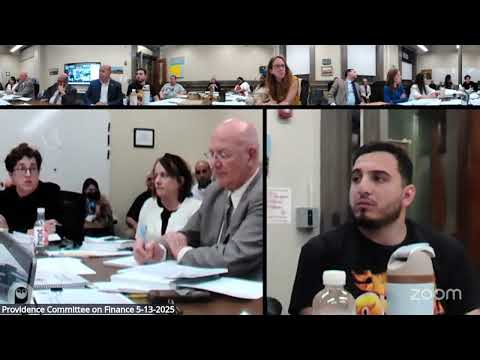
Providence leaders used Tuesday—s budget hearing to scrutinize a suite of waste-management issues: contract increases for curbside refuse and recycling, the planned replacement of city-owned trash and recycling carts, and efforts to reduce contamination and rodent attraction in the city—s recycling stream.
DPW presented proposed fiscal 2026 budget figures for refuse and recycling lines and noted that recent contract changes increase the city—s refuse and recycling pickup costs. The budget includes funds for a phased replacement of residential carts; DPW said the purchase will be funded partly by grants and partly by debt service.
Why it matters: Changes to carts, pickup contracts and contamination rates affect costs in the operating budget and influence residents— recycling behavior and rodent exposure in neighborhoods.
Key budget items and contracts DPW listed recycling pickup at approximately $5.96 million and garbage pickup at roughly $5.87 million in the draft budget lines; staff cautioned that some spreadsheet changes still needed reconciliation. DPW said refuse-processing fees (resource recovery charges) have been running over budget in recent years and the FY26 proposal reflects higher historic spending averages.
Cart replacements and financing DPW said the purchase of new trash and recycling carts is planned, with part of the cost covered by grants and the balance financed; the city has issued purchase solicitations but had not finalized total replacement cost at the hearing. DPW staff said implementation will be phased and that vendors responding to the RFP will propose roll-out plans.
Contamination, education and pilot programs Councilors and staff discussed contamination in the recycling stream and a multi-pronged response: (1) replacement carts of consistent size and color to reduce confusion; (2) expanded resident education — including materials in multiple languages and school outreach (DPW said its school program covers more than 50 public schools); and (3) targeted pilot programs, including a commercial corridor recycling pilot and a composting element for restaurants.
DPW said pilot work at restaurants has allowed some businesses to reduce reliance on commercial dumpsters and that the pilot is largely viewed as successful.
Rodent control and non-lethal options Councilors also raised a long-running rat-control problem tied to overflowing trash and illegal dumping. DPW noted it is piloting a birth-control product for rats (described by staff as non-lethal and intended to reduce reproduction) as part of a broader, multi-pronged approach that includes improved trash containment, illegal-dumping enforcement and cleanup. DPW staff said such methods have shown results in other jurisdictions; councilors asked for geographic lists of pilot sites and an evaluation plan.
Enforcement and operational questions Councilors asked whether the city obtains fees from environmental fines and how towing and abandoned-vehicle fees are handled; DPW said fines and forfeitures are budgeted in a non-departmental line and are recognized as revenues when collected. Councilors also sought details on how lost or stolen carts are tracked and how smart-truck technology in a new waste contract could help resolve service disputes.
Ending: DPW told councilors it plans further contract discussions and an RFP reconciliation so the council can review final contract terms before formal approval. Councilors asked for updates on pilot results, cart rollout schedules and more multilingual outreach to reduce contamination.