Lifetime Citizen Portal Access — AI Briefings, Alerts & Unlimited Follows
Laws and rules committee recommends edits to discipline 'civil penalty matrix' after peer-review review
Loading...
Summary
The Board's laws and rules committee reviewed the discipline matrix used to guide civil penalties and recommended clarifying edits, including changing the document title and adding language noting the matrix is a guideline and that suspension, revocation and other non-monetary sanctions remain available.
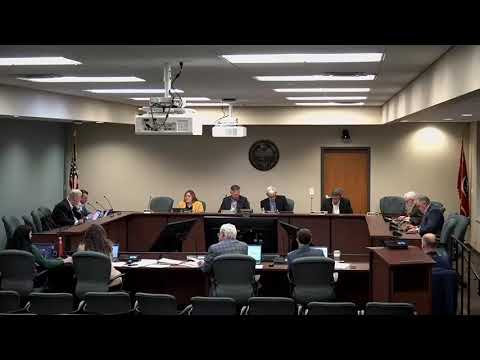
The Tennessee State Board of Accountancy's laws and rules committee on May 5 reviewed the board's discipline matrix and recommended targeted edits to clarify its scope and remedies after a legal briefing on the board's disciplinary authority.
Why it matters: The discipline matrix guides staff and the board when proposing penalties for violations of the Accountancy Act and board rules. Clarifying the matrix affects consistency and public understanding about possible sanctions, including civil penalties, suspension and revocation.
Key points from the committee discussion - Legal overview: Board counsel Lee Lott reviewed the board's statutory authority and legal remedies available under the Accountancy Act, noting the board has a broad range of disciplinary tools "about 15 different things" including civil penalties, probation, suspension, revocation, limitation of scope, costs, and referral to law enforcement. Counsel cited Tennessee Code section 56-1-308 for the civil-penalty authority and noted that statute generally caps civil penalties at $1,000 per violation per day.
- Matrix scope and title: Counsel and committee members observed that the document called the "civil penalty matrix" contains recommended non-monetary sanctions (suspension, revocation, letters of warning). Committee members and counsel suggested retitling the document or adding clarifying language and asterisks that it is a guideline and not a statute. Several members proposed adding parenthetical language in the aggravating-factors section to note that suspension and revocation remain possible.
- Costs and recoverability: Counsel and enforcement staff discussed including investigative or legal costs in settlements. Staff noted adding investigative-hour tallies to reports can support cost claims, but counsel warned that demanding costs in settlement offers can deter respondents from settling and that costs are more commonly sought at the contested-hearing stage.
- Peer review violations: The committee revisited how peer-review failures are penalized, including whether penalties can be applied per year or per day when violations are ongoing. Counsel said the board may impose penalties per violation per day if evidence supports continuing misconduct.
Committee directions and follow-up The committee did not adopt a formal rule change at the meeting. Instead it directed counsel and staff to: - Draft proposed edits to the matrix title and several narrative lines to make clear the document is a guideline and to highlight the full range of disciplinary tools available to the board. - Add suggested language addressing peer-review violations and clarify how "per day" penalties would be applied and evidenced. - Provide guidance on best practices for documenting investigative hours to support possible recoverable costs at settlement or hearing stages.
The committee emphasized consistency but also the board's discretion to pursue stronger remedies in egregious cases.
All quotes and attributions are taken from committee discussion during the May 5 laws and rules committee meeting.