Get Full Government Meeting Transcripts, Videos, & Alerts Forever!
Get email alerts on the Civic Process topic
No spam. Unsubscribe anytime.
Chino Hills council restores flexible public comment time limits; adopts sliding 1/2/3-minute scale
Summary
The City Council voted 5-0 to adopt a sliding scale for public comments on non-agendized items: up to 3 minutes when few speakers attend, scaling down to 2 minutes or 1 minute as speaker counts rise; staff will publish the updated policy and enforce timers and microphone shutoffs.
The Chino Hills City Council voted unanimously (5-0) to update its administrative policy on public comment time limits for non-agendized items. Under the adopted option (referred to in staff materials as option C), speakers on non-agendized items will receive 3, 2 or 1 minutes depending on the number of speaker cards received, with the council keeping a target maximum public comment period of 30 minutes.
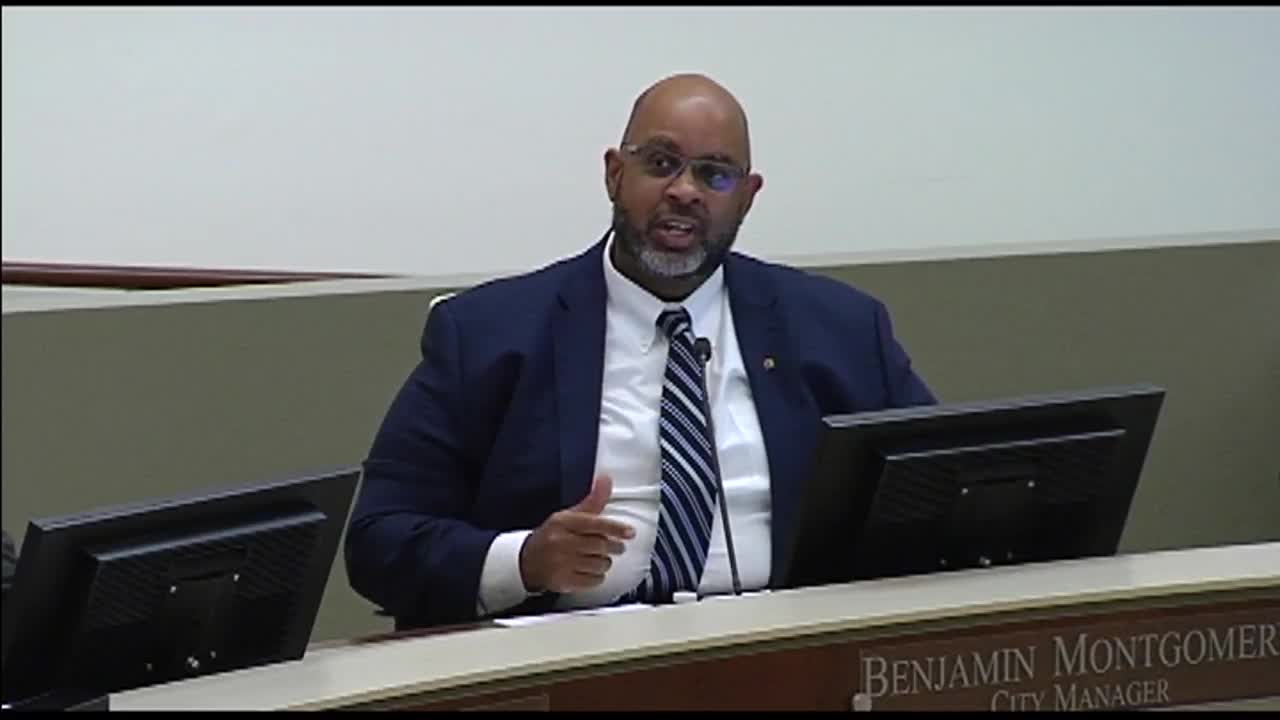
City Manager Montgomery and staff presented four options: a 1/2-minute sliding option; a flat 2-minute rule; a 3/2/1 sliding option (the option the council selected); and keeping the status quo of a 1-minute limit. Staff explained the sliding options are intended to balance opportunities for individual expression with the council's need to conduct business.
Under the option the council approved, the time allotments will scale by speaker volume (for example: 10 or fewer speakers would be allotted up to 3 minutes each; a medium group would get 2 minutes; a large group would be reduced to 1 minute to allow more people to speak within a 30-minute cap). Staff will count speaker cards turned in before the start of the meeting and set timers accordingly. Council members emphasized that microphones will be turned off at the end of a speaker's allotted time and the city attorney will advise if a speaker strays into matters outside the council's jurisdiction.
Councilmembers said the revision restores more listening time than the one-minute limit that had been used and gives meeting managers flexibility. The updated policy will be placed in council agendas and on speaker cards; staff will prepare a follow-up administrative update reflecting the council's direction.
Why it matters: The change affects how long residents have to address the council about city business not on the agenda and clarifies the process for accepting speaker cards, enforcing timers and limiting off-topic remarks.