Get Full Government Meeting Transcripts, Videos, & Alerts Forever!
Get email alerts on the Fiscal Sustainability topic
No spam. Unsubscribe anytime.
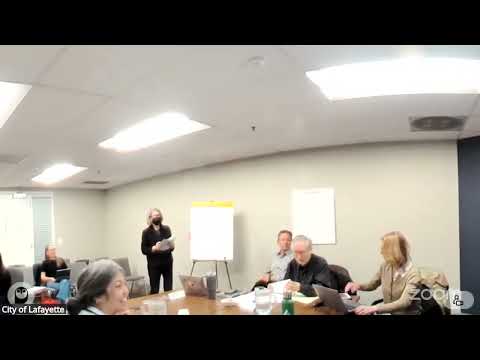
Lafayette council keeps Measure H money focus; staff to inventory long-term maintenance needs
Summary
At a March 7 special meeting the Lafayette City Council kept fiscal sustainability tied to Measure H as a top priority, asked staff to complete an inventory of city infrastructure and to seek a multi‑year capital maintenance plan, and discussed whether to set aside funds as sinking funds for long‑term upkeep.
The Lafayette City Council on March 7 reiterated fiscal sustainability — including planning for Measure H revenues and long‑term maintenance needs — as a top priority for the next year. Council members said they want staff to complete an inventory of city assets and return with proposals to fund a multi‑year maintenance program and sinking funds.
Council members and staff stressed the public‑facing promise the city made to voters when Measure H passed and said early work should focus on establishing a citizen oversight process and clearer spending priorities for the new revenues. The city manager said Measure H receipts will begin to flow in the next full fiscal year and asked the council for direction on how to allocate those funds toward ongoing programs versus capital maintenance.
Tracy, a senior staff member who led the discussion of budgets and staffing needs, described an initial asset list that staff had assembled and told council members that consultants had been contacted to help produce a 10‑ and 20‑year capital maintenance plan. Tracy reported receiving a consultant quote of about $40,000 for a first phase covering buildings, parks and trails; a second phase to cover traffic signals, street lights and other transportation infrastructure would be priced separately.
Several council members urged staff to prioritize the facilities that are in the poorest condition, including the library, community center and police department roofs and HVAC systems, and to bring back near‑term cost estimates. Councilmember Jared said a pragmatic approach would be to identify the largest, most urgent projects first and phase the rest.
Council discussion also raised financing options. Participants discussed whether the city should rely on reserves, create new sinking funds indexed to inflation, or pursue lease financing or other borrowing that would allow major repairs or replacement to proceed now rather than wait. Staff noted that general obligation (GO) bonds require voter approval and a two‑thirds vote, while lease financing and other forms of public borrowing are commonly used for infrastructure projects.
The council asked staff to return with: a detailed asset inventory and consultant scope for the 10‑ to 20‑year maintenance plan; an estimate of the amounts needed immediately to address the highest‑priority building repairs; recommended reserve/sinking‑fund policies (including whether to index to inflation); and options for financing larger projects, including pros and cons of lease financing versus pay‑as‑you‑go.
The meeting also included a brief public comment period in which a resident asked that ladder truck needs and fire station capacity be considered in planning discussions.
The council adopted the meeting agenda by motion at the start of the special session; no other formal spending actions were taken at this meeting.
The council directed staff to return with the requested analyses and cost estimates for consideration during budget preparation and in advance of any decisions about using Measure H revenues for long‑term maintenance.
(At the conclusion of council discussion staff said it will return with a prioritized, phased approach that will identify immediate and near‑term projects first, followed by steady, ongoing contributions to a sinking fund.)