Get Full Government Meeting Transcripts, Videos, & Alerts Forever!
Get email alerts on the State Legislation topic
No spam. Unsubscribe anytime.
Kernersville speakers and aldermen warn state bills would limit local zoning power
Summary
Public commenters and members of the Kernersville Board of Aldermen said several North Carolina bills — notably House Bill 765 — would curtail municipal zoning authority, convert local hearings to quasi‑judicial proceedings and expose local officials to personal liability; the board has passed resolutions opposing the measures.
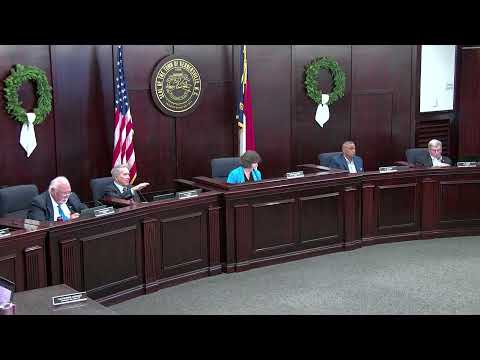
Public comment and board members at the Kernersville Board of Aldermen meeting on April 30 focused on recent North Carolina legislative proposals that speakers and some aldermen said would reduce local control over zoning.
Resident Matt Senn told the board he had been briefing neighbors about the bills and warned that they would limit the ability of citizens to speak at local zoning hearings and could make local officials personally liable to lawsuits. "They want to make our local officials civilly liable, punitive, and, in plain terms, make developers...give developers the right to sue our local government officials in court and make them personally financially liable," Senn said during the public-comment period.
Town staff and aldermen said multiple bills are circulating in the General Assembly and singled out House Bill 765. A staff speaker summarized likely effects discussed by the board and in public briefings: hearings that are now conducted as legislative processes could be treated as quasi‑judicial, requiring sworn testimony and expert evidence; municipalities under certain population thresholds could be required to allow higher densities (for example, a requirement discussed in the meeting to permit 5 units per acre for smaller municipalities); and additional procedural requirements such as mandatory fiscal notes for text amendments could be added. That staff speaker said sponsors frame the bills as responding to housing supply concerns, but "none of the language in the bills...really address affordable housing," and that several provisions would instead benefit developers, in the speaker's view.
Board members said they have taken formal action in previous meetings. Mayor (unnamed in the record) and staff reported the board had twice adopted resolutions expressing opposition to the senate and house measures, including opposition to proposals that would convert local hearings to quasi‑judicial proceedings and restrict citizens' participation. The board's resolutions were distributed to the local delegation, the meeting record shows.
Alderman Apple urged residents to contact state legislators and to oppose bills that would remove local authority. He said the measures appear to be driven by "power and money" and warned that, if adopted, the bills would remove the ability of locally elected officials to require minimum lot sizes, off‑street parking or other locally determined standards. Apple added that, in his view, the bills would also allow developers legal remedies against officials who take actions based on public input.
No state bill became a local ordinance during the meeting; speakers and the board emphasized that the municipality's current action has been to oppose the state bills and to urge residents to contact state delegates. The staff noted uncertainty about how some provisions would be implemented if enacted, and that portions of the measures could be inserted into the state budget rather than passed as standalone bills.
The record shows the board has communicated its opposition to the town's legislative delegation and intends to continue monitoring state activity and to share updates with the public.