Get Full Government Meeting Transcripts, Videos, & Alerts Forever!
Get email alerts on the Reentry And Rehabilitation topic
No spam. Unsubscribe anytime.
Formerly incarcerated speakers urge stronger reentry supports, changes to expungement rules
Summary
A panel convened by the Indianapolis Office of Public Health and Safety heard personal accounts from formerly incarcerated residents and discussed barriers to housing, employment and family reunification, calling for changes to expungement law, in‑prison programming and postrelease supports.
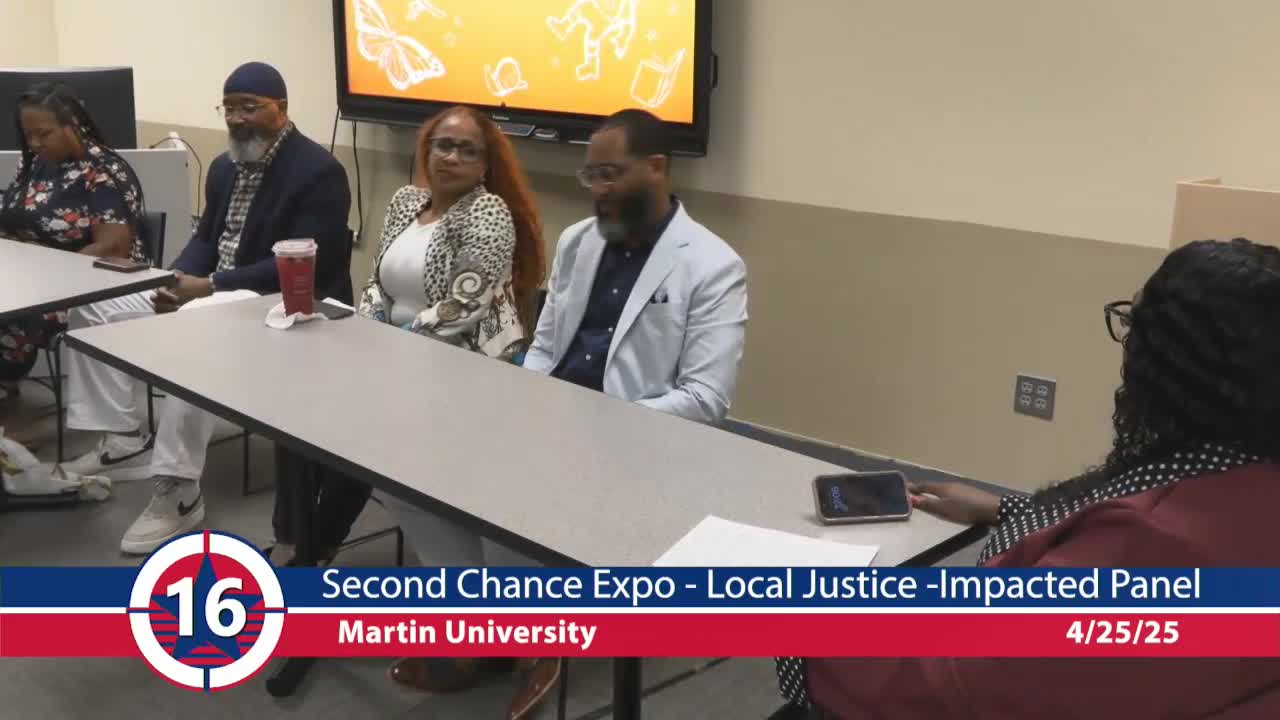
A panel hosted by the Indianapolis Office of Public Health and Safety on reentry and rehabilitation featured formerly incarcerated Indianapolis residents and service providers who described obstacles to returning to the community and urged policy changes, including broader judicial review of expungement records and more consistent reentry programming inside prisons.
Andrea Iyetta, reentry manager at the Office of Public Health and Safety, moderated the discussion and introduced the panel of volunteers and reentry advocates. Panelists included Damon Lane, Carla Duffy, Raymond Boutia Powell, Sharon (last name not specified), and Ladessa Sparks, each of whom described their criminal‑justice histories and the supports they used on release.
Panelists said common obstacles after release included extremely low in‑prison wages, small “release funds,” lack of stable housing, employer and landlord discrimination, disrupted family bonds and uneven availability of programs inside prisons. Several speakers urged lawmakers and local officials to narrow the gap between time served and long‑term collateral consequences.
“My first interaction with the judicial system was at age 14 … I actually signed a 28 year plea bargain, when I was 19,” said Damon Lane, who described working in reentry programs and later with the Indianapolis Police Department as part of violence‑prevention efforts. Lane and others emphasized the role of community support and mentors in successful transitions.
Carla Duffy, who identified herself as chief financial officer for the Office of Public Health and Safety, described both in‑prison employment and the long advocacy process that led to changes in state expungement law. “Almost, a hundred thousand Hoosiers have been able to expunge their criminal history statewide,” Duffy said, and she urged additional changes to limit public visibility of some expunged records. “I would change that to may remain visible to the public pending judicial review,” she added, saying judges should have discretion to fully remove certain records from public view.
Raymond Boutia Powell, executive director of What he named as Whoopi Niin Community Development Corporation (he asked listeners to call it MCTC), urged resilience and prevention of recidivism. “You can go to jail in this country without committing a crime,” Powell said, and he warned that incarceration policy remains a business incentive: “They’re building the most expensive prison in any in the country … It’s gonna house 4,200 people.”
Panelists described how in‑prison wages and release stipends complicate reentry. Duffy recalled prison wages and cited a facility pay rate: “The average pay in DOC is 50¢…I made 85¢ a day. That’s a day, not an hour.” Multiple speakers said institutional deductions and administrative practices sometimes leave people with little or no money at release; one panelist said current standard release funds have fallen from about $200 in earlier years to $75 or less in some cases.
Speakers also described employment pathways available on release. Some panelists described work‑release or employer partnerships that provided immediate pay and opportunities to build credit, while others said employers regularly reject applicants because of felony records. Housing barriers and landlord screening were raised repeatedly; panelists urged subsidized housing or incentives for landlords who accept applicants with criminal histories.
Several panelists asked the state and corrections officials to treat long‑term incarceration as a custodial responsibility that requires deliberate planning for a person’s return. Sharon, who worked after release in legal and social supports, urged more attention to children and family bonds, saying children are “the true victims” of long separations and recommending programs that preserve parent‑child relationships during incarceration and after release.
Panelists recommended expanding evidence‑based diversion and specialty courts, improving inside‑prison access to stable, continuous programming (so education and work trainings are not cut and restarted), and ensuring people have documents and transitional housing before release. Multiple speakers stressed the role of peer mentorship and community nonprofits as crucial postrelease supports.
The session closed with a call to action: panelists urged civic engagement to change laws and funding priorities for reentry services, and asked judges, corrections officials and policymakers to allow more discretion and continuity in both expungement decisions and reentry planning.
Ending: Panelists said the combination of community‑based mentoring, clearer judicial discretion on expungement visibility, and reliable pre‑release planning (ID, Social Security, housing and job placement) would reduce recidivism and improve outcomes for returning residents. The Office of Public Health and Safety organized the event and invited community groups and service providers to continue engagement on these policy priorities.