Get Full Government Meeting Transcripts, Videos, & Alerts Forever!
Get email alerts on the Wildfire Preparedness topic
No spam. Unsubscribe anytime.
City of Flagstaff specialists outline steps homeowners can take to reduce wildfire risk
Summary
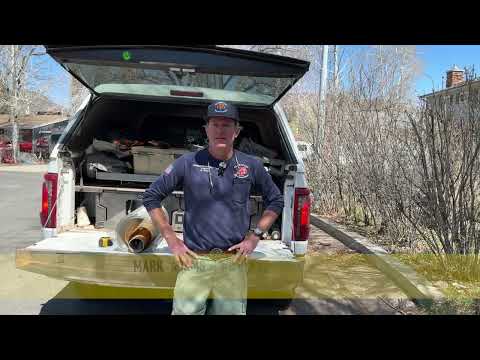
City of Flagstaff Wildland Community Risk Reduction Specialist Mark Adams walked through a Flagstaff home in Coconino Estates, recommending a 5-foot defensible zone, 1/8-inch metal screening on vents, moving woodpiles 20–30 feet from structures, and a 10-minute evacuation plan to reduce wildfire damage.
Mark Adams, the City of Flagstaff Wildland Community Risk Reduction Specialist, walked through a typical Flagstaff home in Coconino Estates and outlined steps homeowners can take to reduce the chance that a wildfire destroys their house.
Adams said wildfire season is growing longer and more intense and that simple changes around a home can reduce risk. "I really want to see the 5 foot buffer around the house," he said, describing the immediate area he calls "Zone 0." He urged homeowners to remove combustible material from that zone and to keep roofs and vents clear.
Adams pointed to specific vulnerabilities at the property he inspected. He noted ivy growing up to the wood siding and said the siding's combustibility increases the home's risk compared with brick or stucco. He also identified an attic vent he said likely needs finer screening. "You need to have screen metal screening on the inside of any vents that lead into the house that's at least 1 eighth inch or better," Adams said, and added that homeowners can "cutting this mesh and screwing it on the inside of any vent" as a simple fix.
He warned that wooden fences can act like a wick to transfer fire to a house and recommended that when replacing a fence owners consider using noncombustible materials for the last 5 to 10 feet where the fence meets the home. He also advised keeping woodpiles and other fuels 20 to 30 feet away from structures. "You're gonna want this 20, 30 feet away from the house," he said of wood piles.
Adams summarized the most important, practical steps homeowners can take: clear the 5-foot zone around a house, keep the roof in good condition and free of debris, and screen vents. "The 3 things that you should really be focusing on and everybody can do is raking all the material from around your home for that 5 foot buffer, making sure your roof is in good condition and free and clear, and the vents that lead into your home," he said.
He emphasized the role of embers in home loss. "90% of homes destroyed by wildfires aren't from direct flames. They're from wind borne embers," Adams said, noting that vents and small piles of combustible material allow embers to ignite a home even if flames are not directly touching it.
On evacuation planning, Adams said homeowners should prepare to secure a house and leave within minutes. "In the event of an evacuation, you only have 10 minutes to secure your home and leave," he said, advising that families spend that time moving combustible items such as cushions, doormats and propane tanks indoors or away from the structure.
Noah Baker, introduced at the start of the recording as the City of Flagstaff Wildfire Climate and Community Health Specialist, was thanked for his assistance; he did not offer technical recommendations in the recorded walkthrough.
For more information, Adams directed listeners to the City of Flagstaff website and to the Ready, Set, Go evacuation guidance referenced at the end of the presentation.