Get Full Government Meeting Transcripts, Videos, & Alerts Forever!
Get email alerts on the Fire Department Budget topic
No spam. Unsubscribe anytime.
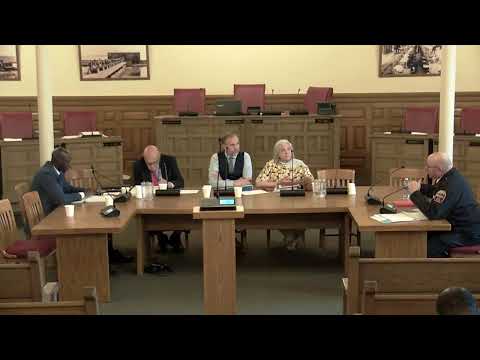
Syracuse City council reviews fire department budget as wave of retirements looms
Summary
At a Syracuse City Council budget hearing, the fire chief outlined staffing shortfalls, a grant-funded hiring push, rising calls and apparatus needs and warned of long-term funding gaps once grant support ends.
The Syracuse City Council heard the fire department's budget overview and staffing outlook at a budget hearing, where the fire chief warned that a surge of retirements, rising call volume and aging apparatus will create ongoing service and funding pressures.
The chief told councilors the department responded to roughly 28,000 alarms last year, including 87 major structure fires, and expects classes of new recruits to be added beginning in February. He said the department currently plans for 380 budgeted sworn positions with 368 filled, leaving about 12 vacancies, and described a multi-year wave of retirements that will require repeated recruitment classes to maintain frontline staffing.
The hearing focused on why the department is asking for more recurring personnel funding and how a recent multi-year award — which the chief said totaled about $7.5 million over three years — will temporarily pay for additional personnel. The chief said the grant covers some hires now but will leave the city with roughly $1 million a year in new costs once the award ends. He described the current budget as intended to preserve firefighter and public safety while restoring apparatus replacement and other long-delayed capital needs.
The chief framed the budget around safety. "Every cent that I get awarded in our budget, I am, with my team, we are fiscally responsible to make sure every bit of that money is spent efficiently, effectively, and for the safety of everybody," he said. He also told the council the budget is intended to sustain a planned apparatus replacement cadence (two engines in one year and one ladder truck every other year) after years in which trucks were not replaced.
Councilors pressed for long-term fiscal planning. One asked what the city will do when grant funding ends; the chief replied the extra personnel now covered by the award will cost approximately $1 million annually when the grant expires and said the department is trying to phase hires to reduce immediate burden on the general fund. The chief said the department intends to hire a training class in February and then expects future recruiting classes when vacancies approach 20–25 positions.
On staffing and retirements the chief gave these figures: 12 current vacancies in sworn ranks; 27 retirements last year; an expectation of roughly 15 retirees this year and the possibility of 20–25 in some years; and a larger cohort of members eligible to retire in coming years (the chief said a total of 51 members were eligible across an extended timeframe). He said the department is currently training a class of 27 recruits and hiring seven lateral transfers to fill vacancies.
Councilors asked about scheduling and overtime. The chief said firefighters work 48 hours over an 8-day period (two 24-hour shifts) and that the city recently moved to a more common 24-hour schedule through collective bargaining; he said schedule changes were a negotiated union request, not primarily a fiscal measure. He said reducing vacancies reduces overtime and that the major unpredictable overtime drivers are injuries and extended sick leave.
On recruitment and training, the chief described the entry process: candidates must pass a standardized candidate physical agility test (CPAT) and meet New York State training and certification requirements. He said academy training lasts roughly eight months from canvass to placing a trainee on a truck and that putting on a training class is resource intensive — the department waits to run full classes until vacancies reach about 20 to 25 because training requires reassigning line staff and generates overtime costs.
The hearing included items the chief said are intended to address long-standing shortfalls: restoration of apparatus replacement funding after years in which equipment purchases were deferred, increased supervision tied to grant-funded hires (additional lieutenant/captain positions to supervise new firefighters), and continued investment in the Fire Prevention Bureau amid an active permitting and development period downtown.
The hearing concluded with councilors thanking the chief and department for their work and recognizing that while the grant reduces immediate budget pressure, the city will need to plan for ongoing personnel costs when the award ends.