
Columbus mayor presents FY26 recommended $391.9 million budget with 3% COLA for full-time employees
Get AI-powered insights, summaries, and transcripts
Sign Up Free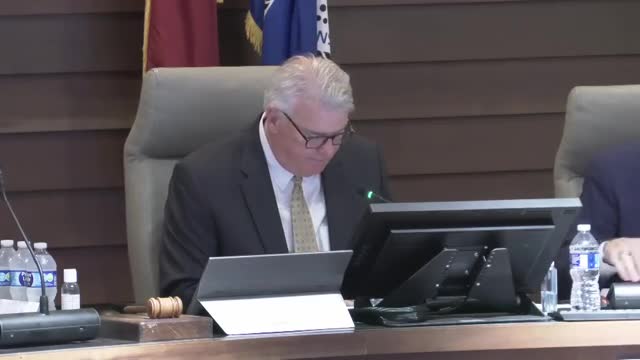
Summary
Mayor Skip Henderson and staff presented a balanced FY26 recommended budget of $391,913,080, proposing a 3% cost-of-living adjustment for full‑time employees effective January 2026, health care assumptions, and rate adjustments for integrated waste fees.
Mayor Skip Henderson presented the Columbus consolidated government’s recommended fiscal year 2026 budget during the April 29 council work session, describing it as a balanced plan totaling $391,913,080 in revenues and expenses.
Henderson said the recommended budget represents a 6.9% increase over the prior year. “This FY 26 recommended budget is a balanced budget at $391,913,080 in revenues and expenses. This represents a 6.9% increase in the recommended budget,” he said.
The budget includes a 3% cost‑of‑living adjustment for all full‑time classified employees that would take effect in January 2026, and a 1% market adjustment to the general government and public safety pay scales. Retirees would receive a 1.5% COLA. Henderson and staff emphasized the need to monitor federal funding changes and economic conditions that could affect revenues.
Finance assumptions and other specifics presented during the session include an anticipated 2.5% increase in the property tax digest, budgeted healthcare cost per position of $7,675, and no subsidy proposed to Bull Creek Golf Course, the Civic Center or the Integrated Waste Fund in FY26. The mayor also noted the budget keeps “in line with our strategic plans, priorities, and initiatives.”
City leaders flagged pressures in the Integrated Waste Fund, including depleted reserves and competition from neighboring counties charging lower tipping fees. The recommended budget includes a commercial rate increase and a $3 per month residential rate adjustment to address waste‑fund shortfalls, staff said. Henderson noted the integrated waste fund previously had reserves but those were reduced as privatization and increased demand pushed costs higher.
City Manager Isaiah Hugley and Finance Director Angelica Alexander were acknowledged for preparing the recommended budget. Council and staff will begin department‑level budget review sessions beginning May 6, followed by hearings and readings in June before final adoption of the millage ordinance later in June.
The mayor asked council to begin formal review next week at the budget hearings and reiterated staff would provide updates if adjustments are required as revenues evolve.
Ending: Council will hold a series of budget review sessions in May and public hearings in June before second reading and adoption of the millage ordinance. The schedule presented by the finance office sets public hearings for June 3 (9 a.m. and 6 p.m.), second reading of the budget and first reading of the millage on June 10, and adoption of the millage ordinance on June 17.