Get Full Government Meeting Transcripts, Videos, & Alerts Forever!
Get email alerts on the Water Quality Litter topic
No spam. Unsubscribe anytime.
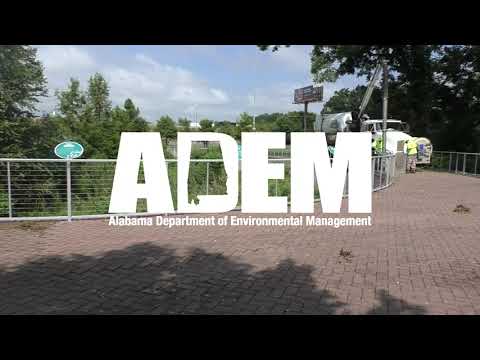
ADEM spotlights Janetta Stream Park litter trap in Keep Our Waters Clean campaign
Summary
The Alabama Department of Environmental Management promoted its Keep Our Waters Clean campaign and described a litter trap at Janetta Stream Park in Montgomery that captures debris before it reaches Catoma Creek and the Alabama River; city staff monitor and remove an average 3 to 6 tons of trash per cleanup depending on rainfall.
The Alabama Department of Environmental Management promoted its Keep Our Waters Clean anti-litter campaign and described a litter trap at Janetta Stream Park in Montgomery that officials say prevents debris from reaching Catoma Creek and the Alabama River.
ADEM representative, Spokesperson for the Alabama Department of Environmental Management, said the agency is "promoting voluntary, long term sustainable practices aimed at reducing pollution with an anti litter campaign, Keep Our Waters Clean." The representative said ADEM is working "through education and outreach" to "encourage Alabamians in the fight for trash free waters" and to "inspire and empower people of all ages to prevent litter debris from reaching our waterways."
The department highlighted a City of Montgomery installation at Janetta Stream Park along Fairview Avenue. A City worker described the trap's function, saying the city diverts flows into a boxed holding area that "traps the floating debris, like the bottles and the, styrofoam, just about anything that floats in this box. And we come clean it out periodically." The worker said the city releases the filtered water back into the culvert and schedules cleanings "every 3 weeks, depending on rainfall," adding that each cleanup averages "3 to 6 tons" of trash.
ADEM described litter traps as "designed to capture litter before it flows farther downstream by using the current to guide debris into the trap," with litter held in a tunnel until removed by a specialized collection truck. The department also said it is working with local municipalities to install signage reading "No Littering, No Dumping" to encourage proper disposal and reduce trash entering waterways.
No formal policy changes or regulatory actions were announced during the remarks; the presentation focused on outreach, local installations, and maintenance practices. ADEM urged citizens to dispose of trash properly and to participate in local prevention efforts to help keep waterways clean for current and future generations.
Details from the presentation: city staff monitor and empty the Janetta Stream Park litter trap following rain events; cleanings occur at intervals ranging from roughly three weeks to monthly depending on rainfall; average debris removed was reported as 3 to 6 tons per cleanup; the trap collects floating materials and returns filtered water to the culvert.