Get Full Government Meeting Transcripts, Videos, & Alerts Forever!
Get email alerts on the Municipal Budget topic
No spam. Unsubscribe anytime.
Rolling Hills Estates council receives FY25–26 revenue projections as staff flags rising benefit, insurance and IT costs
Summary
City finance staff presented the proposed FY25–26 general fund revenue projections and an expenditure review showing a narrow projected surplus and several cost pressures, and the council voted to receive and file the report.
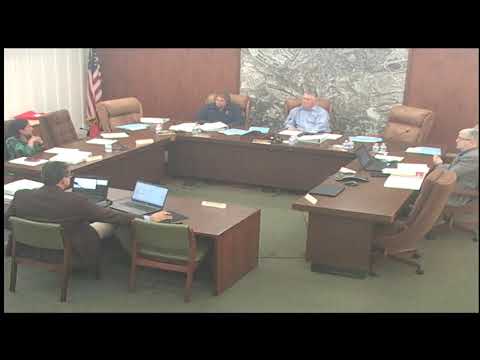
Rolling Hills Estates City Council received and filed the proposed fiscal year 2025–26 general fund revenue projections and discussed expenditure pressures, including increasing benefits and insurance costs, higher IT and consultant fees, and planning staffing assumptions, city staff said at the council's budget workshop.
City staff told the council the revenue outlook had been adjusted since a preliminary presentation last month: property tax growth assumptions were reduced from 5% to 4% after reviewing recent years, and staff aligned next year’s interest-on-investments estimate with current returns (roughly $160,000, excluding pension-trust holdings). On the expenditure side, staff reported a net proposed decrease of about $22,008 from the baseline budget, but emphasized limited flexibility: with updated revenues and the proposed expenditures, the general fund shows a small surplus of roughly $35,000 before any further adjustments.
The revenue adjustments matter because recent years’ property-tax increases have been uneven, staff said. Finance staff noted 8% growth in 2022 and about 4% growth in subsequent years, and warned that weak house-sales activity and stalled real estate transfers could reduce transfer-tax receipts and depress property-tax growth in future years.
Discussion focused on several specific cost drivers. Staff said part of the consulting/project-management expense that was previously budgeted in the general fund is now being charged directly to capital projects in the CIP fund, allowing a reduction in the general fund budget for that line. Council members pressed staff for line‑by‑line detail where numbers had moved between attachments and questioned a near‑term jump in benefits and insurance line items.
Council members flagged benefit and insurance increases as high priorities for review. Staff identified three drivers for the benefits increase: higher employer retirement rates (PERS), higher health‑insurance costs, and other embedded benefit items such as dental and life insurance. On nonemployee insurance, staff said the city’s property and liability premiums are expected to climb (staff used insurer guidance and added a 10% cushion), and council members characterized the projected increase across some lines as roughly 25–30% year over year and asked staff to break down which components account for that rise.
IT services also drew scrutiny. Staff reported that the city’s contracted IT vendor raised prices in January and that the FY25–26 budget includes a conservative estimate (roughly $72,000) for IT services, hosting and cyber‑security monitoring. The city manager and staff said they are exploring alternatives, including issuing a request for qualifications (RFQ) to seek other vendors and reviewing hosting platforms (the presentation mentioned current AWS hosting and a possible move to Microsoft Azure) to identify potential savings.
Planning‑department staffing and related consultant spending were discussed at length. Staff said the baseline budget assumes full, filled positions on a gross basis (standard budgeting practice) and that vacancies produce carried savings in practice. Council members questioned line items for contracted planning services (Willdan) and asked staff to show where contracted work is reflected in the line‑item detail. Staff also explained that the planning department requested a Bluebeam subscription item and a $5,000 GIS subscription; council members asked for explicit descriptions and justification for those subscriptions.
Other adjustments noted by staff included a $10,000 reduction to a coyote‑control consultant line after the firm closed its business; staff said they forwarded related notices to council and are coordinating with Los Angeles County Weights and Measures on regional options for wildlife control.
Council members directed staff to return with clearer, departmental line‑by‑line explanations for the items flagged in the workshop (benefits, insurance, contracted finance staff, IT services, Bluebeam/GIS subscriptions and planning‑contractor charging). The council voted to receive and file the FY25–26 proposed general fund revenue projections and the expenditure material; the motion passed on a voice vote (unanimous "Aye," individual member tallies were not specified in the transcript).
City staff said they will bring council recommendations and any revised numbers to the next budget workshop and that the council will receive a final adoption item in June as the formal budget process continues.