Senate approves bill making restorative-practice statements inadmissible, adds reporting amendment
Summary
The Senate passed a bill that creates a privilege for restorative‑practice communications in civil and criminal proceedings and adopted a floor amendment adding reporting requirements about outcomes and public investment in restorative programs.
The Senate passed Senate File 2200, a bill that makes statements and documents created in restorative‑practice processes inadmissible in civil and criminal proceedings. Sponsors emphasized the potential value of restorative work for victims and communities, particularly in cases where traditional criminal remedies are unlikely.
Senator Pappas introduced the bill on the floor, saying the approach creates a confidential space for victims and respondents to engage with accountability processes outside the criminal system. The bill is targeted in part to support victims of sexual violence who, sponsors said, often do not see traditional criminal justice outcomes: “Only 3 percent of people who commit the act of sexual violence are ever held accountable in the criminal legal system,” the sponsor said.
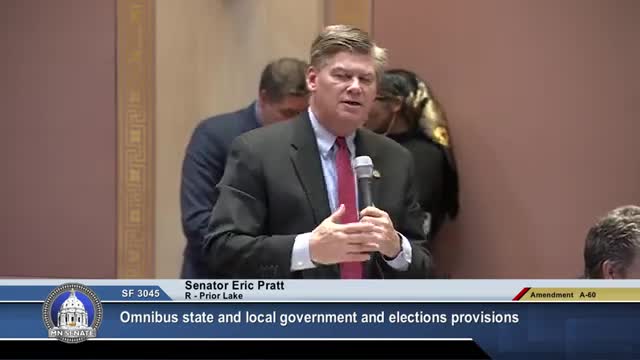
Senator Croon offered and the Senate adopted a technical reporting amendment (A50) that requires grantees to document certain outcomes and to provide data on stipends and use of public funds tied to restorative programs. The reporting language is intended as transparency for state grants while preserving the confidentiality of the restorative process itself; the amendment was described on the floor as a negotiated addition and the sponsor supported the change.
The measure passed on third reading and will be implemented with directions to state agencies in the bill text.