Get Full Government Meeting Transcripts, Videos, & Alerts Forever!
Get email alerts on the Government Operations topic
No spam. Unsubscribe anytime.
Little Hoover Commission holds hearings on governor reorganization plan; aims to deliver report before statutory deadline
Summary
The Little Hoover Commission briefed the subcommittee on its role in reviewing the governor’s reorganization plan, its recent hearings and likely timeline to issue a recommendation to the Legislature within statutory deadlines.
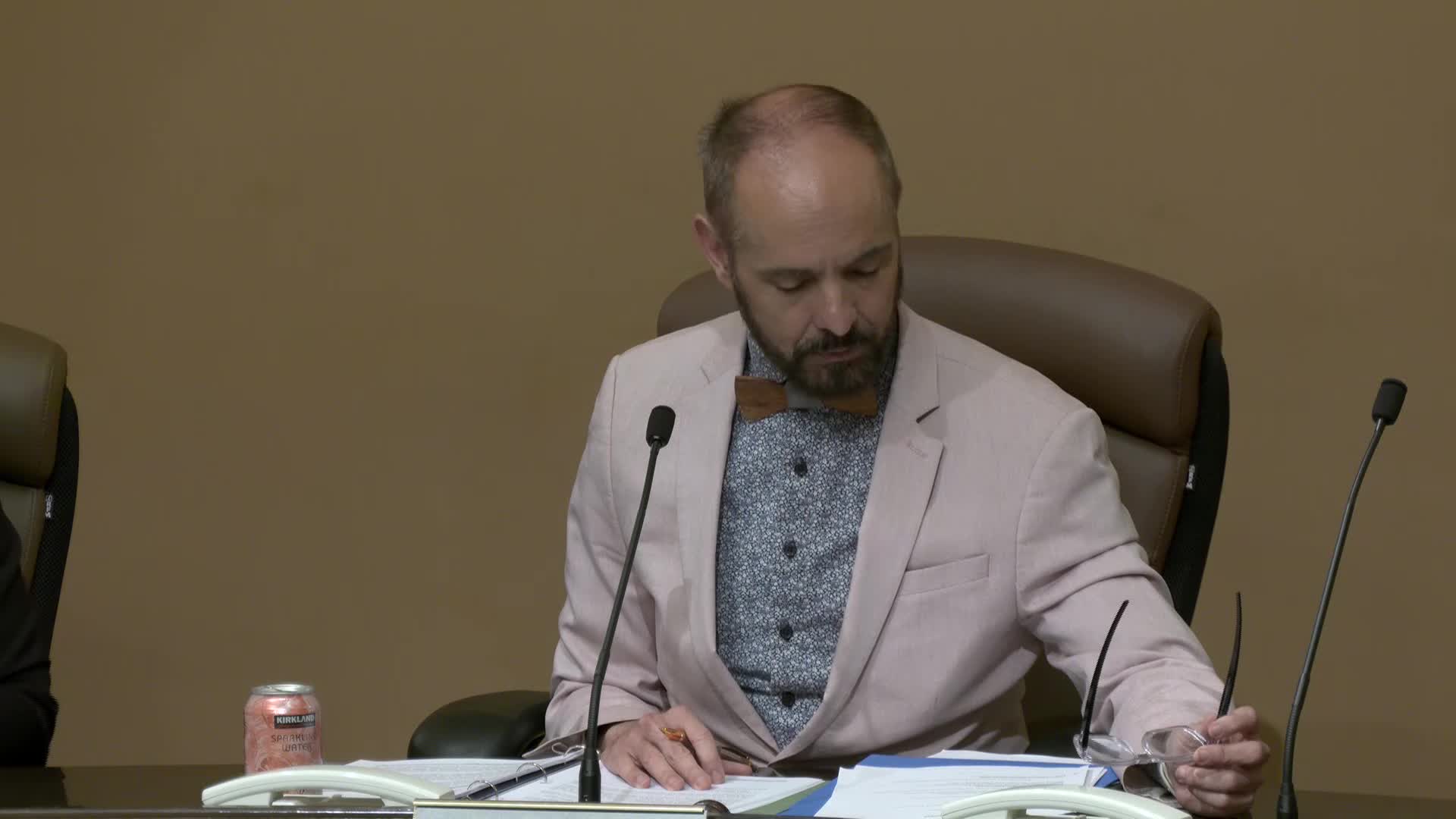
Ethan Rarick, executive director of the Milton Marks Little Hoover Commission, gave the subcommittee an informational briefing on April 24 describing the commission’s statutory role and its current review of the governor’s reorganization plan.
Rarick said the commission was created to "review state operations and make recommendations for policy change that foster efficiency, economy, or improve service in state government." He told the subcommittee the commission received the reorganization plan 20 days earlier and has held the first of two hearings; a second hearing was scheduled the day of the subcommittee meeting. The commission will issue a report and recommendation to the Legislature within the statutory review period once it completes stakeholder outreach and final deliberations.
Key points
- Statutory role and timeline: By statute, the governor submits a reorganization plan to the commission 30 days before formally submitting it to the Legislature; the commission then conducts study and hearings and issues a recommendation. Once the governor submits the plan to the Legislature, the Legislature has 60 days to reject the plan or allow it to take effect.
- Recent activity: Rarick said the commission prepared roughly 200 pages of background material for members and has a specific section considering the placement of the civil rights department. The commission has reviewed roughly 31 formal reorganization plans since 1968; the last major plan processed through the formal reorganization mechanism occurred in February 2012.
- Timeline expectations: Rarick told the subcommittee he expected to deliver the commission’s report to the Legislature around mid-May, subject to the governor’s formal submission and the commission’s deliberations. He cautioned there was not a specific calendar date yet but that staff were pushing to meet the statutory deadlines.
Why this matters
The commission’s statutory recommendation can influence legislative consideration of executive reorganization proposals and provide analyses on likely operational impacts and implementation timelines. Senators on the subcommittee noted the importance of coordinating budget and organizational changes so that appropriation and program structure align in the May revision and budget process.
Speakers quoted or relied on in this article: Ethan Rarick, executive director, Little Hoover Commission; Senator Smallwood Cuevas and Senator Nilo asked questions about the commission’s review criteria and history.
Ending: The Little Hoover Commission said it will continue hearings, collect stakeholder testimony and aim to transmit its recommendation to the Legislature within the statutory window.