Get Full Government Meeting Transcripts, Videos, & Alerts Forever!
Get email alerts on the Defensible Space topic
No spam. Unsubscribe anytime.
California senators and wildfire experts press rollout of ‘Zone 0’ defensible-space rules for first 5 feet around homes
Summary
At a joint California Senate hearing, state fire and forestry officials, local fire chiefs and researchers described the science behind a proposed ‘Zone 0’ rule — clearing combustibles from the first five feet around structures — and outlined timelines, inspection goals and funding needs for enforcement and home-hardening programs.
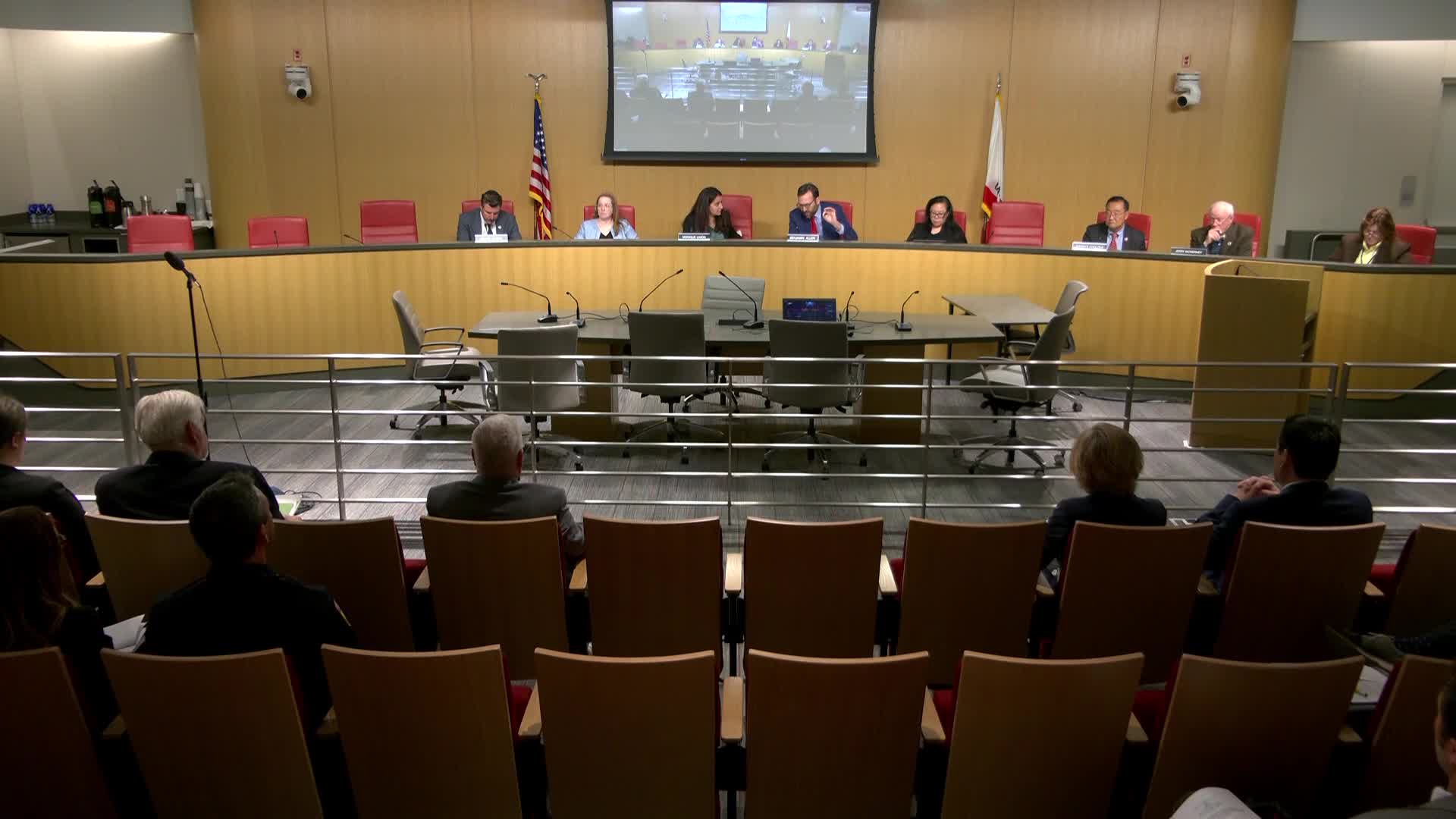
The California State Senate’s Joint Natural Resources and Water and Budget Subcommittee 2 convened a hearing to review the status of proposed “Zone 0” defensible-space regulations and related wildfire mitigation, inspection and funding efforts.
The hearing brought together officials from the Board of Forestry and Fire Protection and the California Department of Forestry and Fire Protection (CAL FIRE), local fire chiefs, researchers and industry representatives to discuss the science behind clearing combustible materials from the first five feet around buildings, the state rulemaking timeline and how inspection, assistance and home-hardening programs will be scaled and funded.
Why it matters: Wildfires in recent years have destroyed thousands of homes and research cited at the hearing shows ember-driven ignitions of materials immediately adjacent to a structure are a central cause of home loss. Proponents say the first five feet — dubbed Zone 0 — is the area most likely to catch embers and cause the home itself to ignite.
Dan Stapleton, assistant executive officer for the Board of Forestry and Fire Protection, told the committee: "It's a new defensible space zone within the first 5 feet of a home or building." Stapleton summarized the board's process to date, saying the board formed multi-agency workgroups, gathered the latest science and published draft regulatory language and guidance for public workshops.
Stapleton said the board’s March draft “states that no landscaping or other materials that are likely to be ignited by embers are gonna be in Zone 0,” but noted limited exceptions under the draft (for example, certain small potted plants under specified conditions and trees allowed only if taller than the roof and properly limbed).
State Fire Marshal Daniel Berlant described CAL FIRE’s inspection capacity and outreach. "Our goal is to visit every home once every three years," he said, adding the department set an annual inspection goal of 250,000 properties and performed nearly 300,000 inspections last fiscal year across roughly 200,000 individual parcels. Berlant also described a newly published defensible-space inspection dashboard intended to provide more granular transparency about inspections and outcomes.
Berlant and presenters described how the draft regulations would be implemented if finalized: immediate application for new construction and a three‑year phase-in for existing structures once the Board’s regulation and the required guidance documents are completed. Stapleton told the committee the board is working to finish rulemaking "by 12/31/2025," in line with a governor’s executive order referenced in the hearing.
Local implementation and enforcement
Ventura County Fire Chief Dustin Gardner described a long-running local defensible-space program, mandatory inspections tied to local code and steps the county takes to enforce compliance, including abating noncompliant properties and placing assessments on property tax rolls. “Zone 0 is the weakest link in our fight to create a more defensible community,” Gardner said. He urged community education, repeated outreach and local partnerships — Firewise communities, Fire Safe Councils and local governments — to drive compliance.
Research, building codes and home hardening
Researchers and industry groups said the evidence supports Zone 0. Steve Hawkes, senior director for wildfire at the Insurance Institute for Business and Home Safety (IBHS), said: "Removing all combustible materials from the first 5 feet around the structure ... is the linchpin of this system." Hawkes and other researchers described IBHS field documentation from recent Los Angeles-area fires that repeatedly found combustible items in the first five feet contributed to losses.
Panelists also recommended code and construction measures. Stapleton and Hawkes referenced California building code Chapter 7A, which governs exterior wildfire-resistant construction in high-risk areas. Berlant noted the state has required many wildfire-resistant construction elements since 2008 but that most at-risk homes were built before those requirements and therefore require retrofit support.
Funding, pilots and financial assistance
Berlant outlined current and proposed financing and assistance: CAL FIRE currently uses a mix of state funding and federal grant leverage for home-hardening pilots. He described a pilot program that operates in six counties (San Diego, Shasta, Lake, El Dorado, Tuolumne and Siskiyou) using roughly $20 million of state investment leveraged with about $100 million in FEMA Hazard Mitigation dollars to deliver up to about $40,000 per household in prioritized home-hardening and defensible-space retrofits. Berlant said the program has hardened roughly two dozen homes so far and is working to scale toward a goal to retrofit up to 2,000 homes.
As part of the governor’s proposed budget, Berlant said the administration proposed $25 million from a climate bond to create a local homeowner financial-assistance program to help vulnerable homeowners afford Zone 0 and other defensible-space work. IBHS and others urged continued, sustained funding for grants that support defensible-space work and home hardening.
Implementation timeline and next steps
Stapleton outlined the board’s near-term schedule: additional public workshops (a May 12 workshop was announced in the draft schedule), revisions to the draft regulation, a formal rulemaking filing, a third‑quarter formal comment period and a public hearing and response-to-comments process leading to final regulations. Once regulations and the guidance document are in effect, Stapleton said they would apply immediately to new construction and three years later to existing structures.
Panelists and committee members also discussed local ordinances: Stapleton said nothing in the state process prevents cities or counties from adopting zone-0-style ordinances before the state rules are final; he cited Berkeley and South Lake Tahoe as jurisdictions that have already adopted local measures.
Questions and concerns raised in the hearing
Committee members pressed officials about: available low‑cost retrofits (mesh on vents, clearing mulch and relocating combustible items), interactions with insurance incentives, how to reach homeowners who cannot afford retrofits, the interaction of Zone 0 rules with other local or state protections for trees and environments, and enforcement where adjacent lands (federal, state or open-space parcels) affect defensible-space outcomes.
Panelists repeatedly separated policy types: discussion and education (outreach and voluntary retrofits), local direction (local ordinances, Firewise programs, crews and grant administration) and formal action (state regulation and enforcement once rules are final). No formal committee votes were recorded during the hearing.
Public comment and stakeholders
Speakers in public comment included representatives of the building industry, realtors and conservation groups. The Building Industry Association emphasized that newer construction built to Chapter 7A and wildfire-prepared design can survive extreme conditions and flagged examples of wildfire-prepared neighborhoods. The California Association of Realtors said it supports homeowner protections and disclosure tools; the Nature Conservancy urged increased community-based education to help homeowners retain shade and habitat while meeting defensible-space goals.
What’s next
Officials said the Board of Forestry and Fire Protection will continue its workshops and formal rulemaking this spring and summer, with a target to complete the regulatory package and guidance by the end of 2025, as required by the governor’s executive order referenced in the hearing. CAL FIRE said it will share its new defensible-space inspection dashboard with committee staff and pursue proposals to scale inspection and financial-assistance programs.