Get Full Government Meeting Transcripts, Videos, & Alerts Forever!
Get email alerts on the Citizen Lobbying topic
No spam. Unsubscribe anytime.
Davis County GOP holds "How to Be a Citizen Lobbyist" training; presenter urges attendance, tracking bills and contacting legislators
Summary
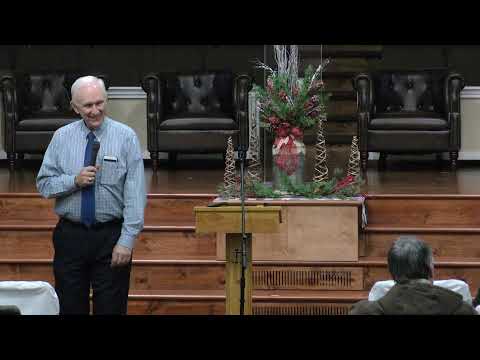
Peter (presenter and citizen lobbyist) led a training at a Davis County Republican Party meeting explaining how unpaid residents can track bills, testify in committee and contact legislators to influence Utah’s legislative process.
Peter (presenter and citizen lobbyist) led an extended training at a Davis County Republican Party meeting on how residents can lobby the Utah Legislature as unpaid citizen advocates.
The session covered how a bill becomes law in Utah, the role of committees and the reading calendar, methods for following and influencing bills online and in person, and practical tactics such as signing up for bill-tracker alerts, attending committee hearings, and delivering brief, fact-focused testimony. Peter recommended the Legislature’s official website (le.utah.gov) as the primary resource and said, “If you go up to the capitol, which you are welcome to do, do not be afraid. We’re the boss; they’re the employee.”
Why it matters: The presentation was practical and procedural rather than a policy vote. It emphasized points of leverage for citizens when the Legislature is in session — for example, committee testimony, the executive appropriations process, the reading calendar, and fiscal notes — all of which shape whether and how bills advance.
Key takeaways and guidance
- Track bills and vote records online: Peter walked attendees through the legislative website and its features, recommending the bill-tracker tool and the “status” and “fiscal note” views for each bill. He said the site now color-codes changes so readers can see added (red) and existing (blue) language.
- Focus on committees and the reading calendar: He described standing committees, appropriations subcommittees and the executive appropriations committee as central gatekeepers. “If they don’t pass the committee, they don’t go to the floor,” he said. He explained the reading calendar’s role in scheduling floor debate and warned that sponsors can “circle” a bill temporarily if they are not ready to debate it.
- Testimony and public comment: Citizens usually get one or two minutes to speak in committee and should sit near the front if they intend to testify. Peter advised concise, evidence-based remarks and warned against inflammatory language; he recounted a prior example of a passionate comment that helped kill a vending-machine nutrition bill in committee.
- Constituent contact matters: Identify yourself as a constituent when you contact a legislator. Peter said that telling a legislator “I’m one of your constituents” increases the chance they will meet or listen. He also suggested cultivating relationships with moderate members and leaders and warned that aggressive threats to primary an incumbent can close off channels of communication.
- Practical tips for in-person lobbying: Dress professionally, bring a binder for handouts, use the legislative guide or photo directory to identify legislators, and consider bringing children for a floor visit (legislators often allow brief visits for constituents’ children). He also noted the availability of live and recorded committee and floor feeds on le.utah.gov for people who prefer to follow remotely.
SB 54, Phil Lyman and a prayer request
The meeting included discussion and a brief prayer related to SB 54 (a 2014 bill that changed parts of Utah’s caucus-convention and candidate selection processes). One speaker asked attendees to pray for the Utah Supreme Court as it considered Phil Lyman’s case concerning SB 54; the speaker described SB 54 as “the incumbent protection act of 2014” and said it “allows people to basically ignore the will of delegates.” That comment and the prayer were made during the meeting’s opening remarks; Peter also referenced SB 54 later while demonstrating how to look up older bills on the legislative website.
Resources and roles citizens can play
Peter encouraged volunteers to: read and summarize bills; write short, targeted emails or bullet-pointed messages (with a clear subject line and the bill number); draft fact sheets and talking points for legislators; mobilize supporters to attend hearings; and report noteworthy bills back to local groups (for example, the meeting organizers’ newsletter). He named several civic and advocacy organizations that often mobilize around legislation, including the Eagle Forum and the Libertas Institute, and cited local groups such as Davis County Conservatives.
Context and logistics highlighted
Peter described the Utah Legislature as a 45-day general session (he gave March 7 as an approximate end date) and stressed that much of the substantive work occurs in committees and appropriations subcommittees. He explained that the governor in Utah can sign or veto bills and that unlike the federal “pocket veto,” an unsigned Utah bill can become law after a statutory waiting period. He also described procedural devices such as circling a bill and suspending internal rules (which can require a supermajority).
Speakers and meeting roles
- Peter — presenter and citizen lobbyist (lead speaker) - Drew Chamberlain — meeting participant/guest (present) - Pastor Bickel — offered opening prayer - Don Guymon — meeting organizer/participant (referenced and addressed in remarks) - Jen — participant who asked procedural questions during Q&A - Brian — participant who asked questions during Q&A - Other attendees and questioners identified only by given name in the transcript
Clarifying details from the meeting
- Presenter’s estimate for session timing: Peter said the Utah legislative general session “goes for 45 days” and, in his remarks, approximated March 7 as the end date. - Public comment and committee scheduling: Committee agendas are posted at least 24 hours in advance and committee meetings are listed on the legislative website; the reading calendar shows when a bill is likely to reach floor debate. - Lobbying registration: Peter explained that paid lobbyists must register with the Lieutenant Governor’s Office under Utah law; unpaid “citizen lobbyists” do not register.
Authorities and references cited at meeting
- SB 54 (2014) — discussed by meeting speakers in historical context and as an example to look up on le.utah.gov - Utah Constitution — recommended as a resource on the legislative website - Utah Code — cited as available on the legislative website and useful for researching current law - Lieutenant Governor’s Office — referenced regarding lobbyist registration requirements - Legislative website: le.utah.gov — primary resource for bill text, status, vote records, committee schedules and livestreams
Community relevance and next steps
The presentation targeted Davis County residents and members of local conservative organizations and focused on actions citizens can take during the state legislative session: monitoring bills, testifying in committee, contacting legislators as constituents, preparing concise materials, and coordinating attendance at hearings. Organizers invited attendees to read bills now, report significant items to group leaders, and consider writing fact sheets or short reports for the group’s newsletter.
Ending
The session closed after a Q&A in which attendees asked about specific website functions, committee access, and how to communicate with legislators. The presenter repeatedly emphasized practical, procedural steps over policy advocacy technique and urged attendees to show up — in person or online — and to use the tools available on le.utah.gov to follow and influence legislation.