Get AI Briefings, Transcripts & Alerts on Local & National Government Meetings — Forever.
Parents and teachers urge board to preserve Student Achievement Center and slow facilities plan; equity and timeline concerns raised
Loading...
Summary
During the April 28 public hearing, educators, parents, students and community members urged the Pittsburgh school board to keep credit-recovery programs at the Student Achievement Center (SAC), criticized a rushed demographer RFP and raised equity concerns about proposed policy 802.1 and English‑learner supports.
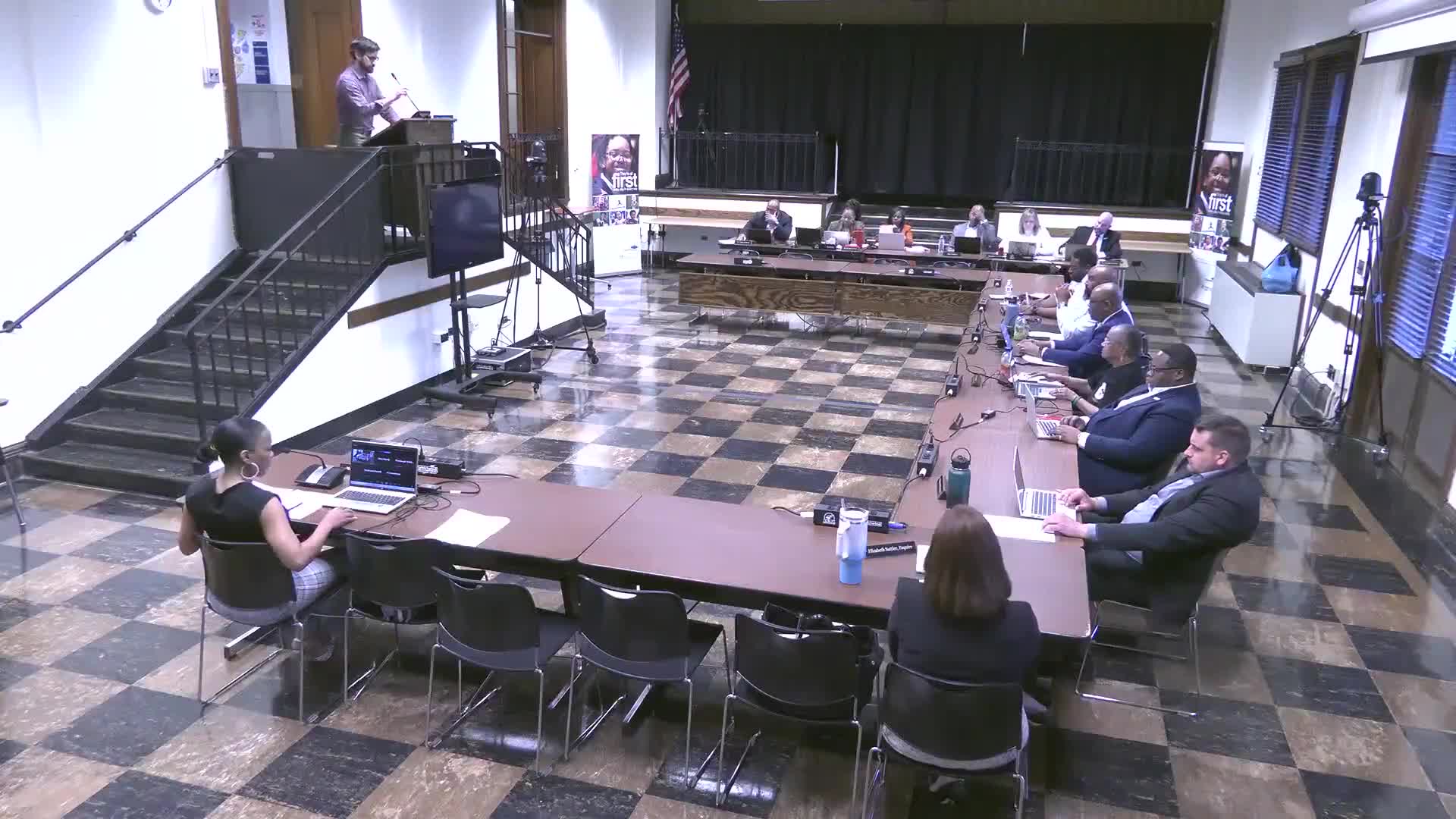
At the April 28 Pittsburgh Public Schools public hearing, multiple speakers urged the board to preserve the Student Achievement Center (SAC) credit-recovery program, questioned rapid timelines for a facilities utilization demographer request for proposals (RFP), and raised equity concerns about a proposed sponsorship policy (policy 802.1).
"Students deserve a second chance," said Joshua Zalesnick, the librarian and Pennsylvania Federation of Teachers building representative at the Student Achievement Center, who thanked the board for pausing school closings and asked that SAC remain available for students who need credit recovery and in-person instruction. In connected virtual testimony, Kathleen Akamando read a letter from a SAC alumnus who credited the program with helping him graduate and join the military, urging the board to keep the program open or relocate it centrally if needed.
Parents and community members criticized the district's demographer procurement timeline. "The RFP was open for less than three weeks, and the timeline to finish the work was unrealistic," said Valerie Webb Allman, who asked the district to reopen the RFP with realistic timelines and not to approve facilities changes affecting Manchester until neighbors meet with developers. Lily Aument and others repeated the concern that rushed assignments produce poor results and asked for a longer proposal window.
Educators and a classroom teacher pointed specifically to equity gaps for English learners under the facilities plan. Kim Dalehausen, now in her thirteenth year teaching immigrant and refugee students at Brashear High School, outlined differences in services across three high schools: Brashear, Alderdeis and Perry. Dalehausen said Brashear has 265 English learners (about 30 percent of its student body) and more certified ELD staffing, while Alderdeis and Perry have fewer ELD staff and fewer sheltered-content classes. "Brashear is the only school that has adequate ELD teachers to offer daily intensive tier 3 intervention for students who need it," she said.
Other testimony addressed broader policy and governance concerns. Emily Sawyer urged the board to treat education tax dollars separately from other development deals and questioned including education dollars in developer negotiations. Several speakers praised the work to restore virtual testimony and public listening sessions, while also asking the board to translate community feedback into concrete policy changes. Michael Cummins, representing the PPS Community Proposal, urged the board to consider alternative proposals that do not require the same demographic work to proceed.
Student testimony emphasized the value of specialized programs: "STEAM class and the way my teachers build STEAM ideas into other classes make me more excited to be in school," said Trey Cummins, a first grader who testified about how programmatic choices affect attendance and engagement.
No board action was taken during the hearing on policy 802.1 or on facilities changes; speakers asked the board to slow the process, reopen procurement where needed, and ensure that equity protections and public reporting requirements are included in any implementation rules for new policies.