Get Full Government Meeting Transcripts, Videos, & Alerts Forever!
Get email alerts on the Budget topic
No spam. Unsubscribe anytime.
Ocean Township presents 2026 budget with 2.69% levy increase; board rejects motion to table telehealth vendor
Summary
School Business Administrator Mister Hastings presented the proposed 2026 operating budget and public hearing for the Township of Ocean School District, proposing a 2.69% tax levy increase and outlining enrollment trends, staffing reductions and program investments.
Ocean Township School District presented its proposed 2026 operating budget and opened a public hearing at a board meeting where School Business Administrator Mister Hastings described the plan and the financial pressures driving it. Hastings said the district proposes a 2.69% increase in the tax levy, explained a mix of planned program investments and cuts, and outlined enrollment trends and staffing changes.
Hastings said the budget is “a living, breathing document” that reflects months of review and will continue to change as grants and needs shift. He told the board the district projects about 375 preschool seats next year across the district’s three sites and highlighted continuing growth among multilingual learners and economically disadvantaged students.
The budget presentation focused on three core pressures: declining overall enrollment (from about 3,700 in 2015 to roughly 3,200 in the most recent October count), rising operating costs (Hastings cited recent utility bid increases and external estimates of 20–30% higher gas and electric prices), and uncertainty in federal grant funding. Hastings said county guidance moved the district from budgeting roughly 85% of prior federal allocations to planning for 75% for 2026, a conservative planning assumption the administration called prudent.
Why it matters: the proposed levy increase and cuts balance state funding limits, local policy constraints and growing program demand. Personnel and benefits make up roughly 78% of the operating budget, the presentation showed, leaving roughly 9% for other supplies and services.
Key facts from the presentation and Q&A
- Levy and taxes: The administration proposed a 2.69% tax levy increase for 2026. Hastings said the 2% cap is the baseline for districts and that the district is using available cap-banking authority; he reported a $314,000 health-care-related adjustment and described a total 2.69% increase after accounting for available cap banking.
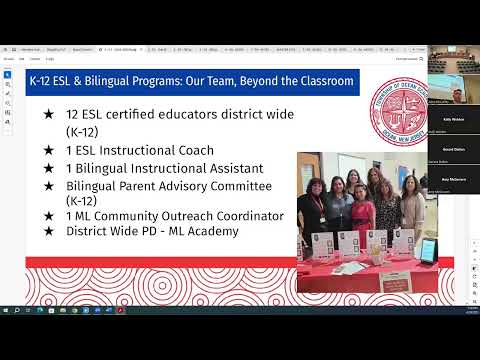
- Enrollment and student needs: Total enrollment fell from about 3,700 (2015) to about 3,200 (most recent October). Special education enrollment showed a modest decline from 652 (2015) to about 590; multilingual learner enrollment rose from about 170 to about 275. The district plans to add one ESL teacher and two preschool teachers plus two preschool instructional assistants.
- Staffing and cuts: Hastings said the budget review identified 27 positions that could be eliminated through attrition (retirements, resignations and unfilled roles), noting that the administration expects approximately three employees would be directly impacted rather than 27 actual layoffs. The 27 positions were described as about 18 certificated/professional roles and nine support roles.
- Budget composition: Hastings presented a breakdown showing salary and benefits at about 78% of operating expenditures; out-of-district placements about 5.5%; transportation about 3.5%; utilities about 2.5%; insurance about 2%; and roughly 9% for other expenditures.
- Capital requests and cuts: Administration said some capital items were deferred from the 2026 proposal (examples given: high-school heat curtain, new turf, certain interior doors). The budget keeps or funds lower-profile capital needs the administration characterized as necessary for safety and operations (cafeteria equipment tied to new high-school schedule, bleachers, gym floor replacements and unspecified security improvements).
Board discussion and public comment
Board members asked for detail on state data sources and metric definitions. When asked why the district’s student-to-teacher ratio appears low (9:1) yet ranks near the top among peer districts, Hastings said the metric comes from the state’s taxpayer’s guide to education spending and is based on audited district reports; he and other board members explained that special-education class sizes and staffing mix can skew the ratio.
President McCarthy urged community engagement and legislative advocacy, saying the district has met with state and local officials and warning that neighboring districts had already taken severe measures. McCarthy said citizens should discuss funding pressures with their representatives: “We are watching as towns around us such as Jackson, Toms River, Lacey, Middletown are already closing schools and slashing programs,” and urged action to avoid similar cuts.
Resident Alex Hayes of Oakhurst criticized the district’s public-notice and stakeholder-engagement practices for the budget hearing and warned of future school closures if enrollment declines continue. Hayes said the board’s framing of increased costs for multilingual and special-education students felt “insulting” and questioned whether administrative and supervisory salaries had been examined for savings. Hayes also asked about the source for the district’s average assessment figure and urged clearer outreach to families.
Votes at a glance
- Motion to table agenda item 9.4 (vendor approval for telehealth physical therapy/occupational therapy services) so the board could confirm whether telehealth was intended for PT/OT evaluations and services. Mover: Miss Tabengo. Second: Mr. Shire. Roll call: Yes—Talarico; No—Dalton, Dam, Gilman, McGovern, Schneider, Stevens, McCarthy. Outcome: failed (motion to table did not carry); item remained on the agenda for the regular vote sequence.
What the meeting did not decide
The transcript records the public hearing and the board’s discussion but does not record a final adoption vote for the 2026 operating budget during the excerpts provided. The motion to table agenda item 9.4 was defeated; the contract item itself was discussed and remained on the consent/regular agenda for action later in the meeting sequence.
Context and next steps
Hastings said the budget reflects a combination of preserved programs (elementary literacy initiatives, bilingual/ESL supports, preschool expansion) and difficult choices about capital and personnel that could change as grant awards or other revenues are finalized. Board members asked for continuing detail on staffing, telehealth use for therapy services (the specific question that prompted the tabling motion) and agency contracts. The administration said it would follow up on outstanding operational questions raised during public comment and by board members.