Get Full Government Meeting Transcripts, Videos, & Alerts Forever!
Get email alerts on the Code Enforcement topic
No spam. Unsubscribe anytime.
Lexington code enforcement director emphasizes customer service, expanded training and abatement use
Summary
Division of Code Enforcement Director Lee Steele told a public forum that the office has added a formal training program, increased use of abatements over multiple fines, and urges citizens to report nuisances through the city's 311 (LexCall) system to improve tracking and communication.
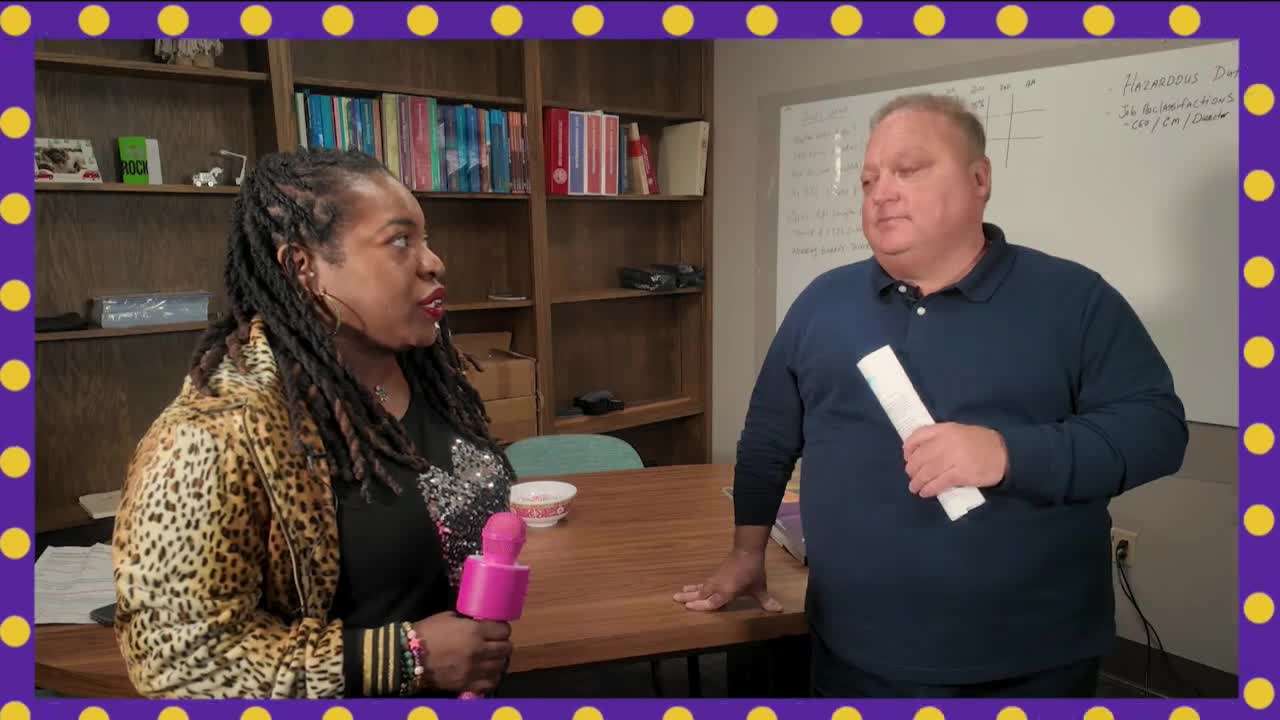
Lee Steele, director of the Division of Code Enforcement for Lexington, on April 24 described changes to how the division handles nuisance and code complaints, saying the office has shifted toward a customer-service approach and more aggressive use of abatement where appropriate.
"We finally achieved abating 5 sidewalks now. I know it doesn't sound like a lot, but we've gone from 20 years of 0 to 5 in less than now 6 months," Steele said, citing abatement as a tool that removes hazards quickly rather than relying solely on fines.
Steele told attendees the preferred way to report code or nuisance concerns is the city's LexCall 311 line (311-425-2255). He said reports entered through 311 get a case number and that staff are working with the 311 team so complainants who provide an email address will receive progress updates as cases move through Salesforce.
Steele described a new, formalized training program for enforcement staff that begins the week before an inspector starts, continues through an initial five-week testing phase and extends into state certification with mentoring for the first nine months on the job. He said procedural changes include issuing a notice and citation and then assessing whether an abatement can be executed to resolve the problem instead of only levying fines.
Steele recommended that residents who receive a citation contact the listed officer by email and text and include a clear written statement about the case to open communication. "Once they open up that line of communication, the door opens wide open for them," he said, noting compliance schedules and alternate programs are available through one-on-one conversations.
Speakers at the forum praised the change in tone. A participant said, "since you've become the director, it's the transparency from the division of code enforcement ' it's been light and day," and credited Steele's leadership for improvements.
The director framed the division's goal as moving from punitive enforcement toward a solution-based, customer-oriented approach, while retaining abatement as an option for problems that can be corrected immediately.
The forum did not produce a formal vote or ordinance change; Steele and attendees discussed operational practice, reporting channels, and outreach steps.