Lifetime Citizen Portal Access — AI Briefings, Alerts & Unlimited Follows
Germany to host UN peacekeeping ministerial in May as officials seek pledges, reforms and cost efficiencies
Loading...
Summary
Germany will host a UN peacekeeping ministerial in Berlin in May bringing foreign and defense ministers, with organizers seeking substantial financial and capability pledges and discussion of reforms to make peacekeeping more effective and cost-efficient.
Germany will host a United Nations peacekeeping ministerial in Berlin in May, bringing foreign and defense ministers and other senior officials together to solicit pledges and discuss reforms to strengthen UN peacekeeping operations.
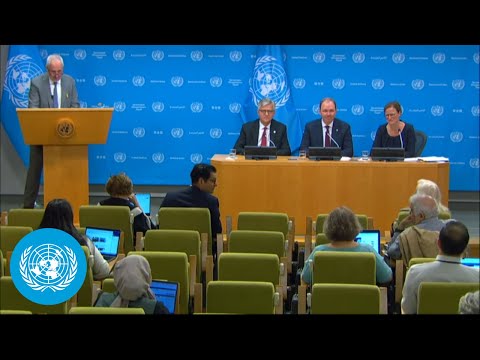
At a UN briefing, Jean-Pierre Lacroix, Under-Secretary-General for Peace Operations, said the meeting is a “unique opportunity” to display support for peacekeeping and to work with member states to adapt operations to rising and changing threats. "Every single day, they protect hundreds of thousands of people, sometime very often actually making a difference between life and death for these civilians," Lacroix said.
The gathering, organized by Germany with UN support, aims to secure substantive pledges that close capability gaps and to launch discussions on cost efficiency, operational resilience, and other reforms. State Secretary Niels Hilmer of Germany's Federal Ministry of Defense said organizers expect "approximately 1,000 guests, many delegations being led by foreign and or defense ministers," and described the event as combining pledging with interactive sessions and an exhibition of peacekeeping capabilities.
Katharina Stasch, director general for international order and disarmament at Germany's Federal Foreign Office, said the ministerial is intended to "send a strong signal in support of the UN and certainly in support of peacekeeping" and to produce both financial and substantive pledges. She noted preparatory work includes civil society input from groups such as the Global Alliance on Peace Operations and that the ministerial will feed into the UN secretary-general's review on the future of peace operations.
Organizers identified a range of discussion topics for the two-day forum, including cooperation between the UN and regional organizations, the role of technologies in operational safety and information integrity, women in peacekeeping, environmental management, and measures to increase overall mission preparedness and the safety of personnel.
Panelists acknowledged multiple pressures on peacekeeping. Lacroix highlighted an increasingly complex conflict environment, transnational organized crime, climate change and digital technologies (including misinformation) as forces that shape peacekeeping operations. He said financial constraints are also pressing: organizers and the UN want member states to prioritize mandates and pay assessed contributions in full and on time while the Secretariat continues work on cost efficiencies.
Questions from journalists focused on attendance and funding. Lacroix and German officials said the United States remains a co-sponsor of the meeting and that Washington "will attend" though the level of representation had not been finalized. China indicated it will attend, according to Germany. The panel declined to give a numeric target for financial pledges and said results will be known only at the conference's close.
Panelists also addressed specific operational questions raised by recent missions. Lacroix defended the role of peacekeepers in Lebanon (UNIFIL), saying maintaining positions during hostilities preserved the mission's ability to work with Lebanese authorities afterward: "That is what currently UNIFIL is doing because UNIFIL is working very hard today with the Lebanese Armed Forces to help the LAF positions in Southern Lebanon." He described tasks such as recovering positions, locating weapons caches, demining and liaising between local forces.
On hypothetical future uses of UN peacekeepers — for example, ceasefire monitoring in Ukraine or Gaza if parties agreed — Lacroix repeatedly described such scenarios as "hypothetical" and said the UN is not currently planning deployments for those contingencies. He noted that planning in advance would raise sensitive political issues given the UN membership and that any concrete planning would depend on future political developments and potential Security Council mandates.
Organizers emphasized that the ministerial is designed both to underscore the value of peacekeeping and to push for reforms and commitments that keep operations "fit for the future," including better preparedness, capability pledges and reforms to increase cost-effectiveness and personnel safety. Detailed pledges and the full list of participating delegations will be published after the conference, officials said.
The briefing included question-and-answer exchanges with several reporters on attendance, funding and mission practices but produced no formal decisions beyond Germany's commitment to host the ministerial in May and to facilitate pledge collection and related discussions.