
Bellaire commission adopts 2024 International Codes and 2023 National Electrical Code with local edits
Get AI-powered insights, summaries, and transcripts
Sign Up Free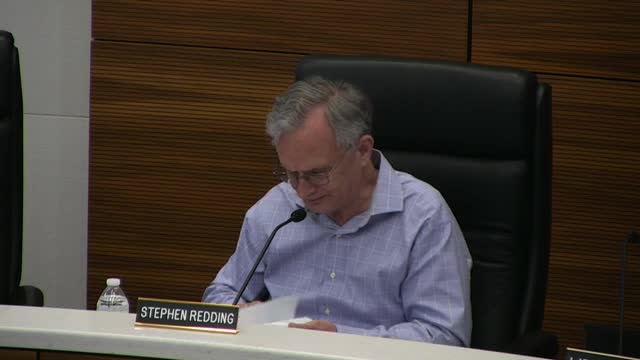
Summary
The Building Standards Commission voted 4–0 on April 24 to adopt the 2024 International Codes and the 2023 National Electrical Code, consolidating local amendments and moving contractor responsibilities into a unified chapter for clarity.
Bellaire — The Building Standards Commission on April 24 approved adoption of the 2024 International Codes and the 2023 National Electrical Code (NEC) with local modifications intended to clarify contractor responsibilities, streamline permit exemptions and remove redundant local language.
The commission voted 4–0 to adopt the model codes with the staff‑proposed local amendments and housekeeping changes. Staff said the package consolidates previously scattered local amendments, removes language duplicated by the model codes, and relocates contractor duty and insurance language to a single section to reduce future confusion.
What staff proposed - Adopting the 2024 editions of the International Building Code (IBC), International Residential Code (IRC), International Plumbing Code (IPC), International Mechanical Code (IMC), International Fire Code (IFC), International Swimming Pool and Spa Code (ISPSC), International Energy Conservation Code (subject to later review for appendices) and related model standards. - Adopting the 2023 National Electrical Code with selective local provisions retained; staff noted some local electrical language may conflict with state law and were struck where necessary, though staff recommended retaining a local preference for copper conductors in most residential wiring locations (service equipment and provider‑installed aluminum service conductors remain treated separately). - Streamlining appeals and enforcement language so that the Building Standards Commission serves as the local appeals body where the model codes reference a Board of Appeals, and consolidating contractor registration, insurance and permit issuance rules under a single chapter.
Staff and commissioners discussed a number of technical points during the presentation, including: - Permits exempted from the code and how those exemptions are described in different model books (staff said some sections read differently across the IBC, IMC and IRC and recommended aligning the local text for clarity). - Floodplain and elevation documentation: staff emphasized using topographical surveys and elevation certificates where available to determine equipment and slab heights; staff also said elevation certificates can be less precise for locating highest and lowest adjacent grades than a topographical survey. - Electrical wiring: staff recommended retaining language encouraging copper wiring for branch circuits inside residential units while acknowledging that state law could supersede local requirements for service conductors and other state‑regulated matters.
Chair Redding moved adoption of the codes with the modifications presented and with additional minor clarifications to be word‑smithed by staff where commissioners identified wording issues; the motion passed 4–0.
Context and next steps Staff said the effort began in 2021 to avoid falling more than two code cycles behind model updates and that the changes were discussed extensively in 2023 and early 2024. The adopted package will be published for subsequent administrative steps and for the notice period required before any local amendments take full effect for permitting. Staff noted the international energy conservation code (IECC) appendices and some energy‑related provisions would be revisited later this year.
Any substantive rewording identified by commissioners will return to the commission for approval before final publication.