Get Full Government Meeting Transcripts, Videos, & Alerts Forever!
Get email alerts on the Planning Fees topic
No spam. Unsubscribe anytime.
Council adopts updated planning and engineering fees; appeals fee set at $1,500 after public pushback
Summary
After public comment from historic-preservation groups and a lengthy council debate, the City Council approved updated planning and engineering processing fees. The council amended the recommended appeals fee structure and set a flat $1,500 fee for appeals to both staff-level and commission-level decisions.
The Folsom City Council on April 24 approved comprehensive updates to community development planning and engineering processing fees, including a shift from largely deposit-based fees to predominantly flat fees for most planning services. Council also set a flat $1,500 fee for appeals to planning decisions after public comment and council amendment.
Josh Kincaid of the community development department presented the proposed changes, saying planning fees had not been substantially updated since 2006 and that a largely deposit-based structure adopted in 2011 proved impractical without additional administrative staffing. Staff said most routine planning and processing fees would become flat rates reflecting average staff time; only highly complex entitlements (annexations, specific plans, development agreements) would remain deposit-based.
The proposed changes included higher fees for some reviews, increased design-review fees, tiered and higher appeal fees, and adjustments to engineering fees for missed inspections and lot-line adjustments. Staff and a consultant gave regional comparisons for appeal costs and explained that fully recovering staff time would have produced appeal fees in the $4,000—,000 range; staff recommended somewhat lower amounts to remain regionally comparable while improving cost recovery.
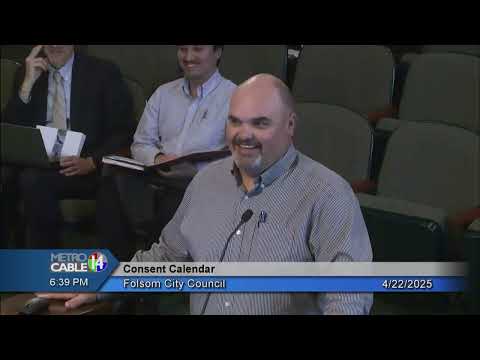
The public hearing drew three speakers. Mike Reynolds, president of the Historic Folsom Residents Association, and Loretta Hettinger of the Heritage Preservation League urged restraint on high appeal fees, saying their community groups lack the funds to mount appeals and arguing higher fees could suppress legitimate appeals by residents who feel their concerns were not addressed during project review. Vance Gerard of the North State Building Industry Association told council the association had worked with staff and did not oppose the changes.
During deliberations Councilmember Kozlowski moved to approve the resolution but to hold appeals fees at their current levels; other councilmembers proposed amendments. The council adopted an amendment to set the appeal fee for both staff-level and commission-level decisions at $1,500, and then approved the fee schedule changes with that amendment by roll call.
Councilmembers and staff discussed the tradeoffs the city faces between full cost recovery and encouraging public participation. Staff said flat fees are easier to administer without a dedicated management analyst, and noted the department would revisit processes as staffing or systems change. Council asked staff to provide additional information on impact to small applicants and to include the updated fee schedules publicly when they become effective July 1.
The council adopted the fee changes consistent with staff'recommended updates except for the appeals fee, which the council altered. The updated schedules are expected to generate additional revenue (staff estimated about $120,000 annually) and become effective July 1, 2025.