Get Full Government Meeting Transcripts, Videos, & Alerts Forever!
Get email alerts on the Economic Development topic
No spam. Unsubscribe anytime.
Leawood council OKs intent to issue up to $25 million in industrial revenue bonds for mixed‑use project
Summary
The Leawood City Council unanimously adopted a resolution of intent to issue industrial revenue bonds (IRBs) of up to $25 million to support construction of a mixed‑use development by Leawood MXD LLC; the request is limited to a sales‑tax exemption on construction materials and equipment, not property‑tax abatement.
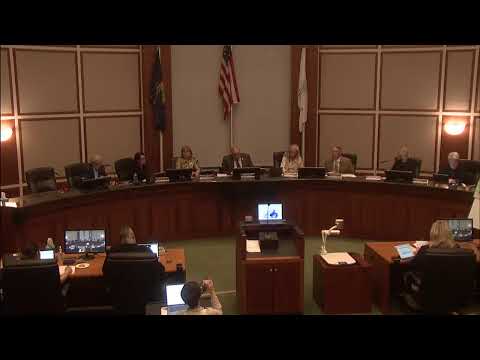
The Leawood City Council on April 25 unanimously adopted a resolution indicating the city’s intent to issue up to $25,000,000 in industrial revenue bonds to support the construction of a mixed‑use commercial and residential project for the benefit of Leawood MXD LLC.
The action gives the developer access to a state exemption certificate that would allow the project to avoid sales tax on construction materials, furniture, fixtures and equipment; the council and city bond counsel said the city is not being asked to provide a property‑tax abatement and would not pledge its full faith and credit to repay the bonds.
Bond counsel Kevin Wimpey, of Gilmore & Bell, told the council that IRBs in Kansas are typically used as an incentive vehicle and that “the city is prohibited from pledging its full faith and credit to the repayment of IRBs, and there's no city liability for the repayment of IRBs.” He explained the common “buy your own bonds” structure: the developer purchases the bonds and leases the project from the city, and lease revenues secure repayment.
Kurt Peterson, an attorney with the Paulson Lille law firm speaking for the developer, said the project’s final plan remains as previously approved: “This project has final plan approved for its mixed use, 193 units of residential with approximately 15,000 feet of first floor commercial and then structured parking.” Peterson said the request before the council is only to restore the sales‑tax exemption authority after an earlier resolution of intent adopted in 2021 lapsed.
City staff and bond counsel said the amended request reflects increased construction costs since 2021; aside from the higher dollar cap the deal terms are unchanged. Wimpey told the council the developer would provide financial security — typically a letter of credit or similar — to cover the city’s estimated foregone sales taxes until bonds are issued or certificates expire.
Council members asked about timing and mechanics. Wimpey confirmed the council’s resolution of intent is the step the Kansas Department of Revenue requires before it issues the exemption certificate. Peterson explained that if construction stretches over multiple years the developer can request extensions of the state certificate and that the city would coordinate with the state and its bond documents.
The council adopted the resolution by voice vote; the record shows eight ayes and no nays. Mayor Mark E. Elkins closed that portion of the meeting by wishing the developer success. The developer and its representatives were present at the council meeting and will return to the council for final bond documents if and when the project reaches that stage.
Why it matters: The measure gives the developer access to a state sales‑tax exemption on construction materials and equipment, lowering the project’s near‑term cost of construction. City officials emphasized that no property‑tax abatement was requested, and the city will not assume repayment risk for the bonds.
What happens next: With the resolution of intent adopted, the developer can seek the Department of Revenue exemption certificate and proceed with construction planning. Final issuance of bonds, if any, would require a future council action and bond ordinance.