Get Full Government Meeting Transcripts, Videos, & Alerts Forever!
Get email alerts on the Ethics Advisory Opinion County Entity Housing topic
No spam. Unsubscribe anytime.
Ethics commission says planned Miami‑Dade county‑owned housing entity can avoid prohibited conflicts if structured as described
Summary
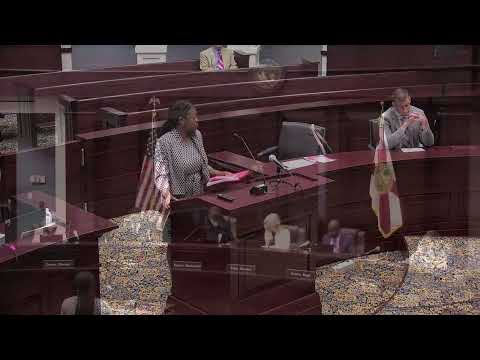
The Florida Commission on Ethics on a voice vote adopted an advisory opinion in response to a request from an assistant county attorney for Miami‑Dade County about a proposal to create a county‑owned business entity to assist with public and affordable housing. The draft opinion, identified as advisory opinion file 28‑18, concludes that the ethics code’s conflict provisions likely would not bar county commissioners or county employees from participating in the entity if it is structured as described to the commission. The motion to adopt the draft passed; Commissioner Bush registered the lone opposition.
The Florida Commission on Ethics on a voice vote adopted an advisory opinion in response to a request from an assistant county attorney for Miami‑Dade County about a proposal to create a county‑owned business entity to assist with public and affordable housing. The draft opinion, identified as advisory opinion file 28‑18, concludes that the ethics code’s conflict provisions likely would not bar county commissioners or county employees from participating in the entity if it is structured as described to the commission. The motion to adopt the draft passed; Commissioner Bush registered the lone opposition.
The opinion analyzes whether county commissioners serving as unpaid members of a county‑owned entity’s board and county employees performing the entity’s work under a shared‑use agreement would trigger the ethics code’s prohibitions. Staff attorney Stephen Schaffer told the commission that the inquiry focuses on the ethics statutes and not on whether state or federal housing law would permit the entity to be formed or to apply for federal housing funds. "Our piece of the puzzle is purely whether if this entity is set up and the mayor that described, whether it would trigger a violation of any of our ethics prohibitions for the county officers and county employees that would be affiliated with it," Schaffer said.
The opinion looks primarily at the conflict-in‑doing‑business statute staff cited as "section 1 12.313 subsection 3" in the draft and the related voting‑conflict provisions. Schaffer explained staff’s view that the statute can be satisfied or "cured" by a recognized "unity of interest" analysis under the commission’s prior practice (the draft cites section 1 12.316 as the statutory source for that consideration). He summarized the factual scenario the requester provided: the county would wholly own the entity; the county commission would serve as its unpaid board of directors as part of commissioners’ official duties; and county employees would perform the entity’s daily work under a shared‑use agreement while remaining paid W‑2 county employees and receiving no compensation from the entity.
Under that factual presentation, staff concluded a technical conflict under the doing‑business statute could be negated because the entity and the county would share both organizational alignment (county ownership, county commissioners as directors, county employees doing the work) and a practical alignment of interests (the entity’s sole purpose, as presented, would be to assist the county in carrying out its public and affordable housing work). Schaffer told the commission, "it seems the unity of interest consideration would cure any violation of section 1 12.313 subsection 3 if county commissioners were to serve in the entity's board." He added staff’s view that other provisions cited by the requester—identified in the draft as the voting‑conflict statute and section 1 12.313 subsection 7(a)—also would not prohibit unpaid service by commissioners under the facts presented.
The draft also addresses county employees. Staff said the employees performing work for the entity under a shared‑use arrangement would remain county employees paid by the county and therefore would not have the separate employment or contractual relationship with the entity that the commission’s statutes prohibit. "They will be performing duties for the business entity, but those duties will just be considered part of their public job responsibilities," Schaffer said in the presentation.
Commissioners asked clarifying questions about the scope of the opinion (staff made clear the advisory opinion addresses only the ethics statutes and not open‑meetings or state/federal housing law) and about how the board positions would be handled when commissioners are replaced. Chair Feuste, Commissioner Lucas and others discussed the practicality and novelty of the arrangement and whether the commission should address the unity‑of‑interest analysis in a formal opinion. Several commissioners urged the county to address sunshine/open‑meeting requirements separately; staff responded that open‑meetings law is outside the commission’s jurisdiction.
The commission voted to adopt the draft advisory opinion. The record shows one named opposition: Commissioner Bush. The opinion is binding only for the party that requested it (the requester is an assistant county attorney acting on behalf of a Miami‑Dade County commissioner) and does not automatically bind other counties or bodies that might consider a similar structure.
The opinion cites and discusses (using the statute identifiers provided in the request and draft) the doing‑business/conflict statute described as "section 1 12.313 subsection 3," the unity‑of‑interest statutory reference discussed as "section 1 12.316," and provisions staff described as part of the voting‑conflict analysis under "section 1 12.313 subsection 7(a)."
Ending: The commission recorded its vote on the opinion and directed staff to publish the advisory opinion for the requester; staff and commissioners noted that other legal issues raised by the proposal—such as the entity’s ability to apply for federal housing grants and whether its board meetings would trigger public‑meetings obligations—remain matters for the county and other legal counsel to resolve.