Get Full Government Meeting Transcripts, Videos, & Alerts Forever!
Get email alerts on the Public Safety Jail Command topic
No spam. Unsubscribe anytime.
White County sheriff’s office proposes replacing civilian jail commander with sworn captain
Summary
Deputy David Ross told the White County commissioners he and the sheriff propose eliminating the civilian “jail commander” post and creating a sworn captain position filled from merit deputies to improve continuity, reduce liability and retain staff; commissioners agreed to review a job description at the next meeting.
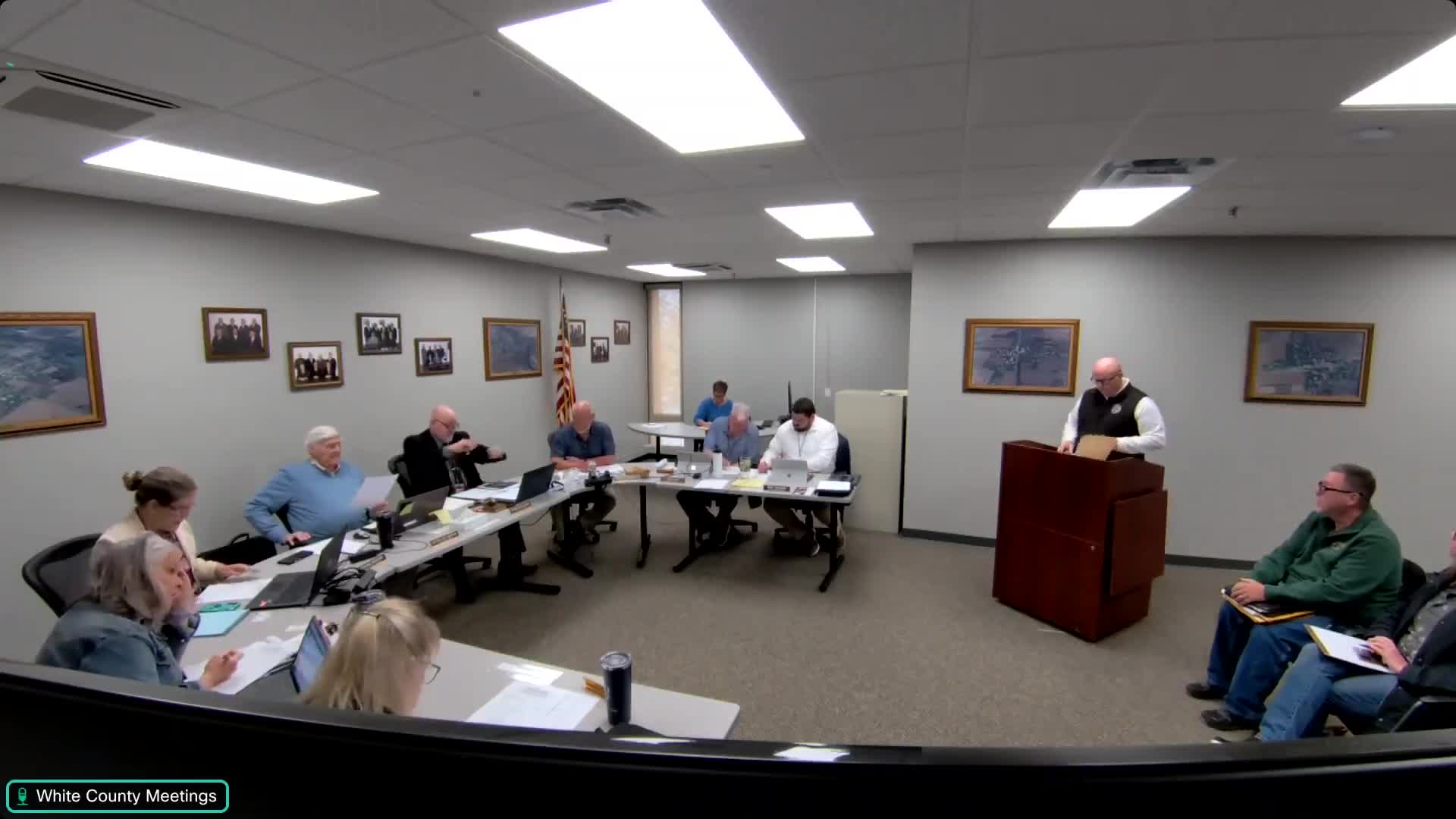
Deputy David Ross, a member of the White County sheriff’s office, told the county commissioners he and the sheriff propose replacing the current civilian jail commander position with a sworn captain selected from merit deputies.
Ross said the change would move command of the jail to an officer with current, sworn training and hoped-for long-term retention. “We wanna do away with the civilian jail commander title,” Ross said, and instead create a captain position “built by a sworn police officer, which would be one of our merit deputies.”
The proposal aims to address turnover and legal exposure at the county jail. Ross said the jail has faced a high rate of personnel loss — “I’ve lost 50 officers in 2 years” — and that the office currently has multiple active lawsuits tied to jail operations. He told commissioners higher, merit-based leadership should improve training, operational stability and reduce liability.
Ross outlined how the county could pay for the change without asking for new money in 2025: he said the 2025 salary ordinance already contains an allotment for a civilian commander ($58,656) and proposed reallocating pay and one sergeant’s field slot to create the captain position. He proposed the captain’s pay be set at roughly 85% of the sheriff’s base pay; using example figures in the discussion, Ross said that approach would not require new county appropriations because it could be funded by moving existing line items and the cost to refill a road sergeant’s slot would be lower than the captain’s promotion cost.
Ross said he has drafted a job description and asked commissioners to review it. Commissioners did not take action on the change at the meeting; they agreed to review the job description and place the item on the next agenda for formal consideration.
Commissioner questions focused on operational effects and continuity for a new sheriff: commissioners asked whether the change would constrain a future sheriff’s appointment powers and whether the captain could be removed if a new sheriff preferred a different leader. Ross responded that the captain would still “serve at the pleasure of the sheriff” and could be removed, but said the intent is to provide continuity across elections and to keep institutional knowledge inside the sheriff’s office.
Ross also described training and retention measures he has pursued in recent years — internal field-training and instructor programs and partnerships for topics such as suicide prevention and de-escalation — and said the captain role would complement those efforts by making administration more career-path oriented.
Commissioners agreed to circulate and review the draft job description before the next meeting. The office will return with the written job description for formal action; no appointment or hire was made at this meeting.