Get Full Government Meeting Transcripts, Videos, & Alerts Forever!
Get email alerts on the Budget Taxes Utilities topic
No spam. Unsubscribe anytime.
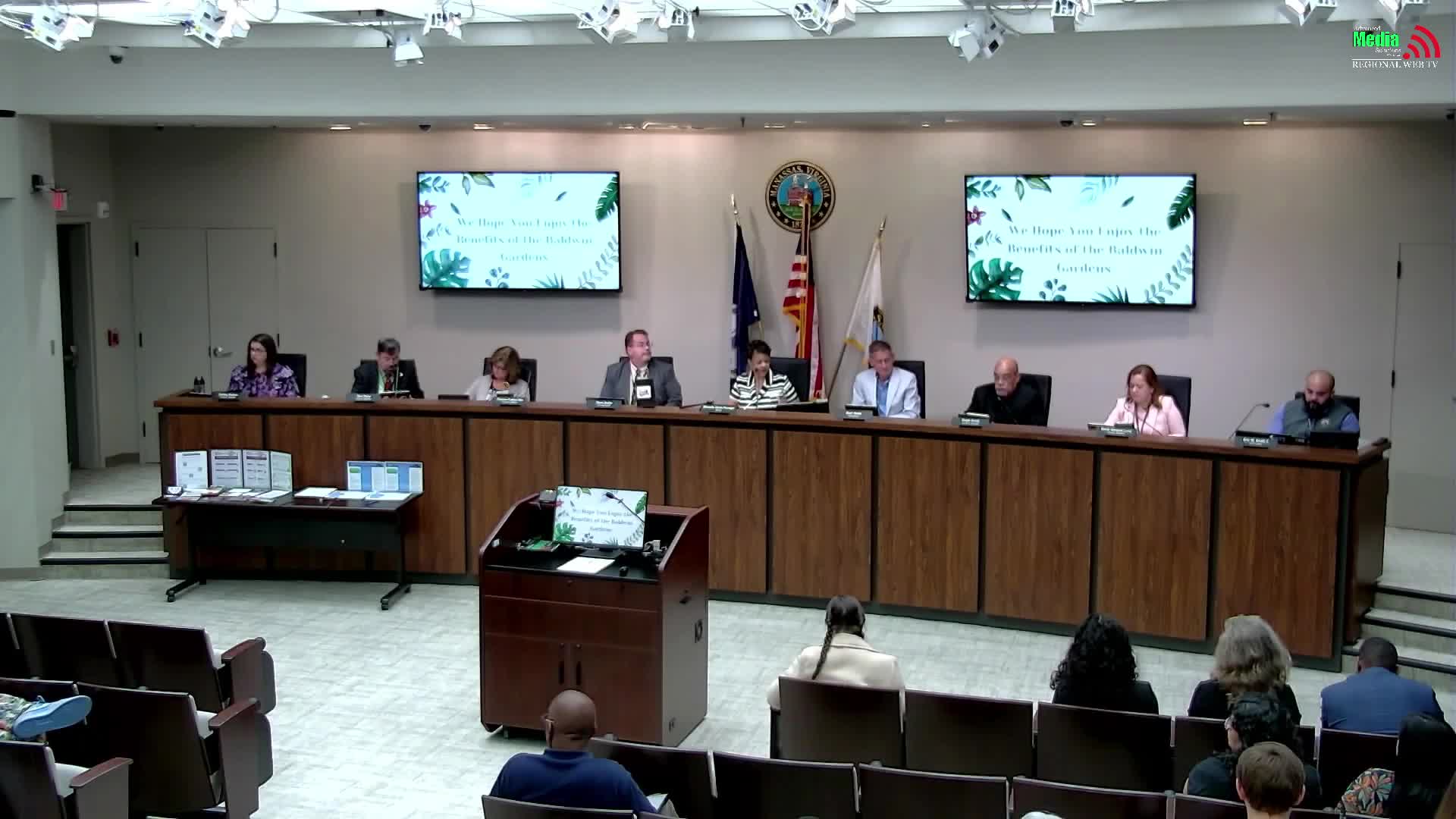
Manassas residents press council over proposed FY2026 tax, utility and budget increases
Summary
Manassas City Council on April 28 held consecutive public hearings on proposed FY2026 tax, utility and budget measures as residents urged the council to ease impacts on teachers, renters and fixed‑income households.
Manassas City Council on April 28 held consecutive public hearings on the proposed Fiscal Year 2026 real property tax increase, proposed personal property and utility rate changes, and the city’s operating budget and five‑year capital improvement plan. Dozens of residents testified, many urging the council to reduce or delay rate increases and to prioritize relief for residents, school staff and vulnerable households.
The hearings matter because the measures would affect the city’s property owners and utility customers directly, and the council framed the rate proposals as necessary to preserve city services and the long‑term financial stability of municipal utilities. Assistant staff told the council the electric utility has been charging rates below cost for several years and recommended multi‑year increases to restore sustainability; staff cited an illustrative plan that included roughly 8.5% increases in electric rates in successive years to close the gap.
Speakers at the hearings described the cumulative burden of higher real estate assessments, rising utility bills and other cost increases. “I have a limited monthly pension,” said one resident, arguing the combined increases make living in the city difficult. Several teachers and school support staff urged the council to preserve contingency funds and to prioritize pay increases for school employees, saying some local educators cannot afford to live nearby. A school bookkeeper asked councilors to “invest in your students” and specifically requested a $1.7 million contingency earmark for schools referenced during public comment.
Several residents asked the council to reconsider the tax treatment of large commercial uses. Bill Backus urged the council to raise the hospitality/utility tax applied to data centers — saying the city’s $2.60 per‑unit figure (as described by a commenter) is lower than Prince William County’s recently approved rate — and proposed increasing that rate toward the county’s level so the revenue burden on residential and small commercial customers would ease.
Others noted sharp increases in demand for social services: volunteers at local food pantries told the council they are seeing hundreds of family visits in a single day. Several renters and fixed‑income residents said higher bills and taxes are already straining household budgets. Multiple commenters asked the council to stretch utility rate increases over a longer period; one resident who consulted city staff recommended a five‑to‑ten year phased approach to lessen near‑term impacts.
Councilors and staff repeatedly said they were balancing the need to maintain reliable utilities and public services with the desire to moderate near‑term rate shocks. The council took the procedural step of closing the public hearings by motion; each closure was passed by roll call. No final tax rate or adopted budget ordinance was recorded in the transcript portion provided; the hearings were part of the formal budget process and the council signaled the matters would be considered in upcoming budget work sessions and votes.
Residents who testified also proposed revenue or cost‑saving ideas — including resale of city mulch or selling reclaimed materials, reassessing large commercial properties, and modest targeted fees — and asked the council to increase transparency and public engagement during budget deliberations. Officials said staff had been reachable for follow‑up questions (the transcript records calls with Assistant City Manager Matthew Siri and Utility Finance Manager Anna Davis) and encouraged continued input as the council completes its budget decisions.
The hearings also produced repeated appeals to protect affordability and to preserve green space and community facilities. Several residents urged the council to prioritize affordable housing efforts and to use one‑time surplus funds to support services rather than raising recurring rates. The council did not adopt final FY2026 rates during the meeting; the public hearings were closed and will feed into subsequent motions and formal readings recorded in later agenda actions.