Get Full Government Meeting Transcripts, Videos, & Alerts Forever!
Get email alerts on the Property Tax Assessments topic
No spam. Unsubscribe anytime.
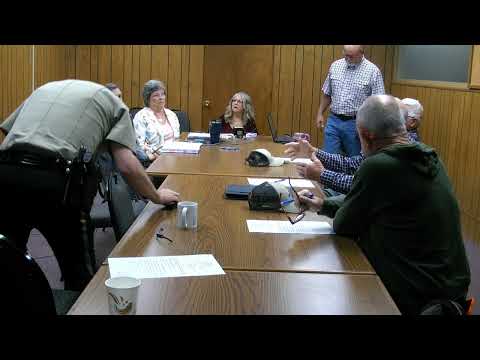
Woods County Board of Equalization presses assessor to start protest clock, questions attorney readiness
Summary
At a Woods County Board of Equalization meeting, members pressed assessor staff to begin statutory timelines on taxpayer notices, warned that large companies could generate many protests, and criticized outside attorneys' preparedness for hearings.
Woods County Board of Equalization members on a recent agenda item pressed assessor staff to begin the statutory protest timeline as soon as assessment notices are sent, warned that large taxpayers could produce a flood of informal and formal protests, and raised concerns about the preparedness and qualifications of attorneys who have represented taxpayers in recent hearings.
Board members said starting the 30‑day protest clock promptly after mailing assessment notices is essential so the board has time to review filings, issue subpoenas and schedule hearings between April 1 and July 31. A board member said, “Weare not going to wait till they get here, sit across the table, and say, well, we can't see that. I'm not gonna do that.”
The board discussed procedural deadlines and evidence practices that they said must be tightened this year. Members repeated that the county must be able to subpoena materials when a taxpayer files for a hearing and that subpoenas should be issued at the time a hearing is filed, not only when a taxpayer appears in person. They urged staff to request company managers and accountants attend hearings rather than rely on outside counsel or distant accounting firms. The board also described a process for sending “arbitrary” assessments to taxpayers who fail to file information by April 15.
Why it matters: Board members said prompt mailing and record collection are needed to preserve the board's ability to inspect claims, subpoena underlying documents and conduct fair, timely hearings. Several members warned that failures last year left the board without adequate time or evidence to probe large companies' valuation methods.
Board members repeatedly raised concerns about the outside attorneys the county has used in valuation disputes. One member criticized the attorneys for lacking real estate appraisal expertise and said they relied on income figures based on past revenue rather than projected income and reserves. The board discussed pursuing different consultants or experts who can testify to projected income and reserves when valuations rest on income approaches rather than historic volumes.
The assessor's office reported it had received several assessment submissions and informal protests and said staff were preparing assessment notices and paperwork. Board members pressed staff to document the date notices are mailed so the 30‑day protest period can be tracked.
Members also reviewed homestead exemptions, noting 63 new applications in the packet that staff said had been reviewed and found to qualify.
Board members discussed an administrative threshold mentioned in meeting materials for counties with assessed valuation greater than $1,000,000,000 and how that figure interacts with statutory timelines and procedures; members noted only a small number of counties in the state meet that threshold. The board discussed the distinction between fair market value and assessed value and emphasized that the boardoperates from fair market value as the basis for its reviews while recognizing assessed value is a statutory percentage of market value.
Closing notes: The board asked staff to prioritize suspected filings from companies that had prompted problems previously, to begin the protest timeline as soon as notices are mailed, to be prepared to issue subpoenas promptly when hearings are filed, and to ensure attorneys or experts retained for valuation hearings have demonstrable expertise in the applicable appraisal or income methodologies.