Get Full Government Meeting Transcripts, Videos, & Alerts Forever!
Get email alerts on the Public Health topic
No spam. Unsubscribe anytime.
Assembly committee advances landfill fire safety bill after testimony from Castaic residents
Summary
Community members described multi‑year underground fire at Chiquita Canyon Landfill and urged passage of AB 28 to require improved monitoring, reporting and enforcement; landfill operators and industry groups opposed aspects of the bill and asked for additional study; committee advanced the measure.
Assemblymember Schiavo told the Committee AB 28, the Landfill Fire Safety Act, would require landfill operators to more closely monitor subsurface temperatures, report sustained temperature increases to local enforcement agencies and CalRecycle, and trigger required corrective action and possible fines if operators do not take timely action.
A substantial group of residents from Castaic and Val Verde gave in‑person testimony describing ongoing health and quality‑of‑life impacts from a subsurface fire at the Chiquita Canyon Landfill. Elizabeth Jeffords and other residents testified about nosebleeds, tremors, persistent headaches and other symptoms they link to prolonged exposure to smoke, ash and odors from a long‑running fire that witnesses said has been burning for more than three years and has expanded to roughly 90 acres. Speakers described pets and bees dying, miscarriages reported in informal community surveys, and community members who say they lack sufficient county response and medical assistance.
Supporters urged specific measures: mandatory subsurface temperature monitoring, earlier reporting thresholds, multi‑agency coordination when temperatures approach specified danger levels, and stronger enforcement authority to pause permits or declare emergencies. The author and supporters said the measure aims to prevent future Chiquita‑scale events and make it easier to act early when elevated temperatures indicate a subsurface hot spot.
Republic Services and other industry groups opposed the bill in its current form, arguing that regulators do not yet know the root causes of the Chiquita event and that a statewide statutory solution could impose large costs across ~200 active enclosed landfills. Industry spokespeople suggested directing regulatory agencies to study causes and propose regulatory changes, rather than immediately enacting the statutory program in AB 28. Counties echoed a desire to work on amendments and refine regulatory implementation.
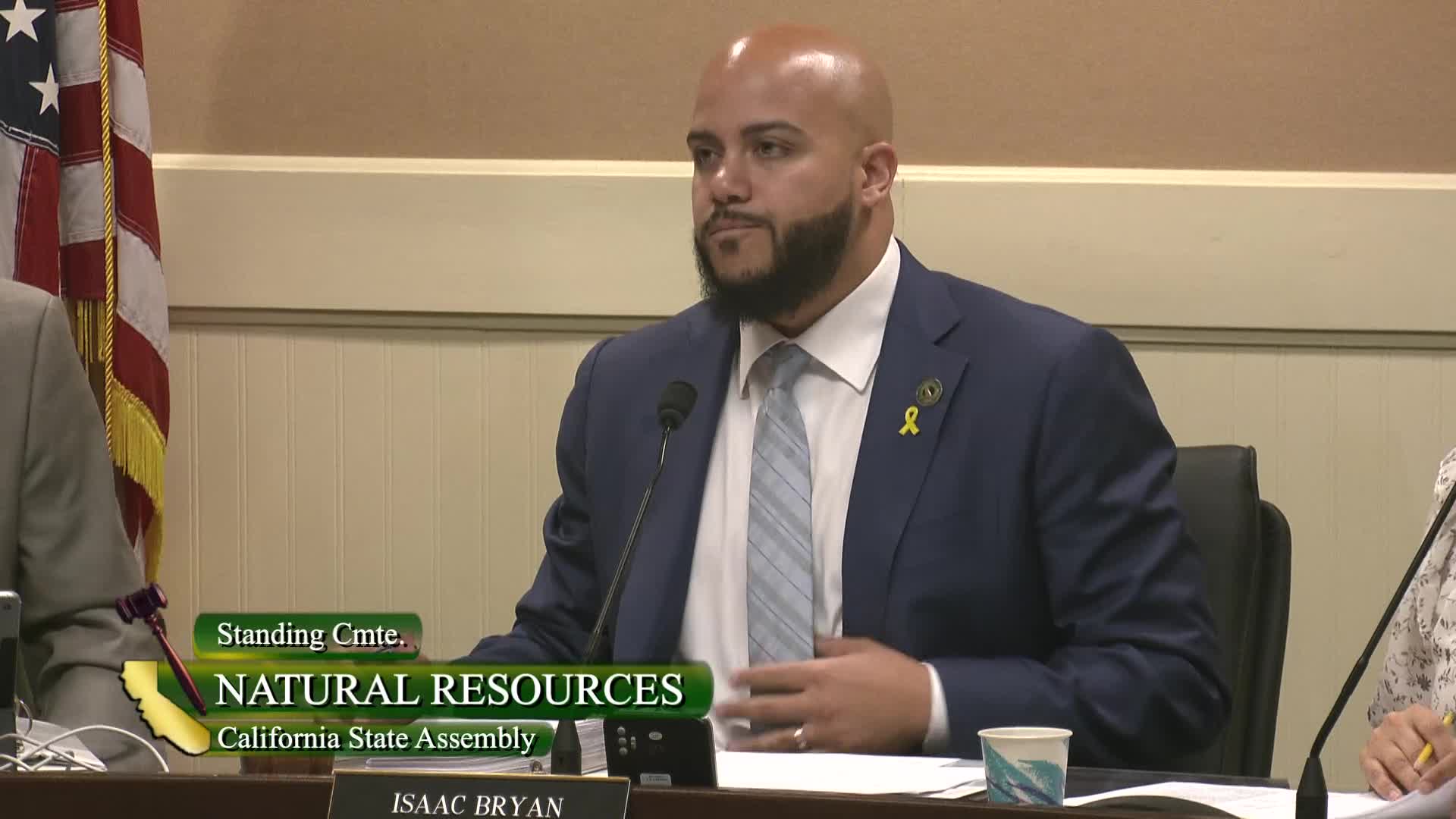
The committee adopted substantive amendments mirroring aspects of other related bills, narrowed some requirements and added reporting requirements for agencies. After extended public testimony and member questions, the committee voted to pass AB 28 as amended to the Appropriations Committee.
Why this matters: residents said they are experiencing ongoing health problems and said the fire at Chiquita Canyon has persisted for years. The bill would expand monitoring and enforcement tools intended to detect, report and correct subsurface elevated temperature events before they grow into long‑running fires.
Next steps: AB 28 will go to the Assembly Appropriations Committee for fiscal review. Members and proponents said they expect continued negotiations with counties, landfill operators and state agencies.