Get Full Government Meeting Transcripts, Videos, & Alerts Forever!
Get email alerts on the Unhcr Funding topic
No spam. Unsubscribe anytime.
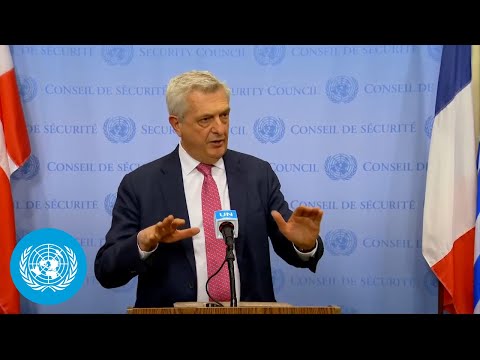
UNHCR warns funding shortfalls could cut operations by about one-third
Summary
At a U.N. Security Council briefing, a UNHCR representative said steep donor reductions — including a shortfall from the United States — are forcing cuts that could reduce the agency’s capacity by roughly 30%, with impacts on protection and humanitarian assistance across multiple crises.
A UNHCR representative told the U.N. Security Council that steep and widening funding shortfalls are forcing the agency to cut operations and could reduce its capacity by as much as one-third.
The representative said UNHCR’s overall budget is “about $10,000,000,000,” historically with roughly $2,000,000,000 coming from the United States, and that U.S. funding this year so far totals “a little more than $350,000,000” for 2025. The speaker said discussions are ongoing with the U.S. administration about an additional roughly $700,000,000 that were previously frozen and subject to a U.S. “180-day review of foreign assistance.”
The representative warned that, because UNHCR’s rules prohibit spending more than the money that is firmly pledged, the agency has “now started cutting, cutting, unfortunately,” and that the reductions could mean fewer staff, fewer offices and closures in some countries. “We may be cutting up to a third of the capacity of our organization,” the UNHCR representative said.
Why it matters: UNHCR and partner agencies provide protection, food, cash and water to millions in countries affected by conflict and displacement. The speaker said cuts would reduce immediate assistance and protection presence, and could push some refugees and displaced people to move on from regions where they currently receive aid.
The briefing highlighted uncertainty from several donors. The UNHCR representative said other major donors, including some in Europe, are reducing contributions — in part because those governments have increased defense spending or are holding funds amid economic uncertainty — and that the whole humanitarian system, including the World Food Programme, IOM, UNICEF and the Red Cross movement, is under pressure.
Asked whether other countries might fill the U.S. funding gap, the UNHCR representative pointed to some positive signs: Canada has increased its contribution from the previous year; South Korea has been a rapidly growing donor and confirmed it will continue to increase support; Denmark and several Nordic countries, including Sweden and Norway, said they will remain stable or flexible in funding. But the representative said those increases are unlikely to fully offset larger declines or frozen funds from the agency’s largest donor.
On the effect of cuts in specific regions, the representative said reductions in programs in countries such as Chad would mean people arriving from neighboring conflicts receive less immediate assistance. The official also warned that reductions in programs in Latin America — for example in Colombia, where U.S.-funded temporary protection regimes were cited as stabilizing measures — could increase movements of people along migration routes through Ecuador, Costa Rica and Mexico.
The representative described interagency and U.N. initiatives intended to address the shortfall, including an effort led by the U.N. emergency relief coordinator and the Inter-Agency Standing Committee, and the U.N. Secretary-General’s “UN80” initiative. But the speaker said those initiatives will take time and that UNHCR must begin cutting now to avoid overspending. “I don’t want to hear any more people telling me do more with less. This is absurd. You will do less with less,” the representative said.
There were no formal votes or decisions in this briefing. Journalists from Al Jazeera, Reuters, GRT World and other outlets asked follow-up questions about donor behavior, the scale of cuts and the political dimension of U.S. funding; the representative reiterated uncertainty while saying dialogue with donors is ongoing.
Ending: The UNHCR representative framed the current situation as a systemwide crisis. With negotiations and a U.S. administrative review still underway, the agency said it faces difficult choices this year about program scale, staffing and country presence, and warned those choices will affect millions who rely on humanitarian assistance.