Get Full Government Meeting Transcripts, Videos, & Alerts Forever!
Get email alerts on the Budget topic
No spam. Unsubscribe anytime.
Appropriations Committee advances deficiency bill and biennial budget; adds $84 million a year for special‑education excess costs
Summary
The Connecticut House Appropriations Committee on April 22 voted to send a governor‑filed deficiency appropriations bill and a two‑year budget to the floor after adding a bipartisan $84 million‑per‑year increase for special‑education excess costs. Both measures passed the committee on roll calls after hours of review and line‑by‑line discussion.
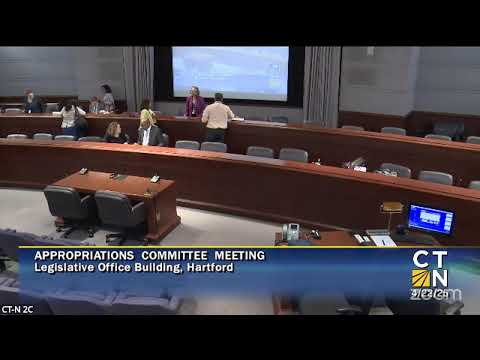
The Connecticut General Assembly Appropriations Committee on April 22 voted to send the governor’s deficiency appropriations bill (House Bill 6863) and the biennial budget (House Bill 6864) to the House floor after several hours of review and debate and a separate committee vote to add $84 million in both years of the biennium for special‑education excess costs.
Representative Jason Walker, co‑chair of the Appropriations Committee, opened the meeting by thanking staff and the public process, saying, “So, good morning, everybody. Today is a day that, we have been waiting for since January,” as the panel prepared to reconvene and move the package forward.
Why it matters: The deficiency bill and the two‑year budget set the state’s spending plan and immediate fixes for fiscal 2025 and the 2026–27 biennium. Committee action advances both measures to the full House, where members will debate, amend and vote. Committee members repeatedly warned that several major costs remain uncertain — including contract negotiations and Medicaid trends — and that the package currently exceeds the state’s constitutional spending cap by committee staff estimates cited during debate.
What the committee approved
- House Bill 6863 (deficiency appropriations for fiscal year ending 06/30/2025): The committee voted to send the bill to the floor. The motion to “JF to the floor” was made by Representative Walker and seconded by Representative Nolan. Roll‑call tally: 43 in favor, 10 opposed, 0 abstentions; the motion passed.
- House Bill 6864 (state budget for the biennium ending 06/30/2027): After line‑by‑line review and multiple subcommittee reports, the committee voted to forward the budget to the floor. The committee also adopted a subsequent vote adding $84 million in both FY2026 and FY2027 to the “excess cost” special‑education grant to better align funding with projected K‑12 special‑education expenses. Final committee roll call on the budget: 40 in favor, 13 opposed, 0 abstentions; the motion passed.
Special‑education amendment: The committee considered more than one amendment on excess cost funding. An offset amendment that would have added the $84 million a year while cutting higher‑education accounts failed in a recorded vote; a separate motion to add $84 million per year for excess costs then passed on a later roll call (vote recorded in committee transcript as 45 yea, 8 nay). Committee members debated the timing and implementation of the infusion, with supporters saying it relieves local property‑tax pressure and opponents arguing the package as a whole exceeds the constitutional spending cap and lacks certain offsets.
Discussion highlights and open items
- Reserve for salary accounts (RSA) and contracts: Committee members repeatedly asked whether the budget accounts for pending collective‑bargaining agreements and the state’s multi‑year RSA. Chairs said the package includes a smaller RSA than the governor proposed and that actual contract dollars will be handled later when numbers are final.
- Medicaid and health‑care cost drivers: Members pressed staff on assumptions around Medicaid provider rates, pharmacy rebates and retiree health care. Office of Fiscal Analysis staff warned that some savings assumptions depend on upcoming procurement results and that OPEB trust balances might be a source to manage certain liabilities.
- Roll‑call transparency: Committee staff carried out multiple, sometimes lengthy, roll calls to capture member votes on the deficiency bill, the budget and the special‑education amendment. The transcript records several procedural exchanges and votes; final tallies are reported above.
What’s next: The committee chair said the Charter Oak collective bargaining agreement hearing would be held the following morning and that further votes were scheduled later in the week. Both House bills now go to the full House for debate and final passage, after which negotiations with the Senate and the governor may continue.
Ending: The committee made clear it considers this a first, significant step in the annual budget process. Members signaled additional amendments and negotiations remain possible before final budget enactment.