Get Full Government Meeting Transcripts, Videos, & Alerts Forever!
Get email alerts on the Municipal Funding topic
No spam. Unsubscribe anytime.
Parks department says sponsorship revenue rebounded after pandemic; Chevron departure complicates future targets
Summary
May Malaynik, the parks department analyst, updated commissioners on the department's sponsorship program, reporting sponsorship revenue growth in recent fiscal years but noting Chevron's headquarters move and a reduced prospect pool for big corporate commitments.
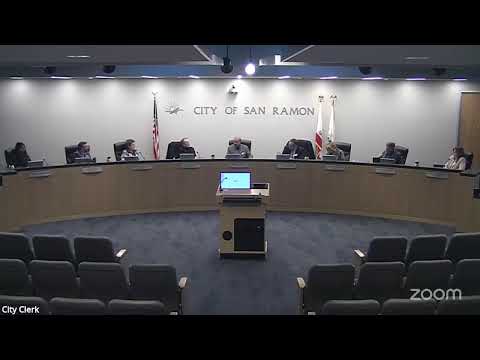
May Malaynik, parks and community services analyst, briefed the Parks and Community Services Commission on the department's sponsorship program on March 12, outlining where sponsorship dollars currently support events and programs and the challenges of replacing long-term corporate partners.
Malaynik said the city historically earned sponsorships from large companies (Chevron, PG&E, Bishop Ranch tenants) for events such as the Art and Wind Festival, summer concerts and Run San Ramon. She said Chevron 'recently moved its headquarters to Texas and provided a final donation in December 2024; the department no longer expects Chevron to be a continuing sponsor.
Sponsorships have been a material revenue source for special events. Malaynik showed multiyear figures: fiscal year 2023-24 adopted sponsorship budget $95,500 and actuals of about $137,500 (driven in part by Art and Wind Festival and a one-time night parade). Earlier years also showed that sponsorship collections sometimes exceeded adopted targets.
Malaynik explained the difference between donations and sponsorships: donations are given with no return; sponsorships are exchanged for marketing, recognition or other return on investment. She said roughly 90% of sponsorship dollars are focused on large special events, but additional sponsorships could help support core programs (aquatics, senior outreach, arts, trails challenge) and improve cost recovery.
Commissioners asked about staffing, timelines and tactics. Malaynik said the city has no staff member dedicated 100% to sponsorship sales and that partnership development requires substantial staff time. She described outreach channels: maintaining a sponsor database, chamber of commerce networking, and direct outreach to local companies. Commissioners pressed on the sponsorship timeline for events such as Art and Wind (outreach beginning as early as November for the next year) and whether single-concert sponsorships or series-level agreements work better for recruitment.
The presentation also described barriers to facility or field naming rights: the city previously estimated field-level sponsorships in a range of $10,000 to $20,000 but noted inflation and administrative costs make such deals harder to secure and sustain. Malaynik said the marquee and some facilities are reserved for city events and partners and aren't currently part of standard sponsorship packages, and that the department is developing clearer guidelines for logo placement and naming conventions.
Brad Morris, division manager, and several commissioners urged a proactive referral and networking approach; Malaynik asked commissioners to share possible sponsor contacts. The commission received the report and discussed next steps for growing and diversifying sponsorship support.