Get Full Government Meeting Transcripts, Videos, & Alerts Forever!
Get email alerts on the Board Censure topic
No spam. Unsubscribe anytime.
Talawanda board votes to censure member after dispute over open Google calendars
Summary
The Talawanda City School District Board of Education adopted a resolution censuring board member Dawn King after months of dispute over open Google calendars and the public release of district cybersecurity material. The vote was 4–1. The meeting included extended debate and public comment from parents, staff and community members.
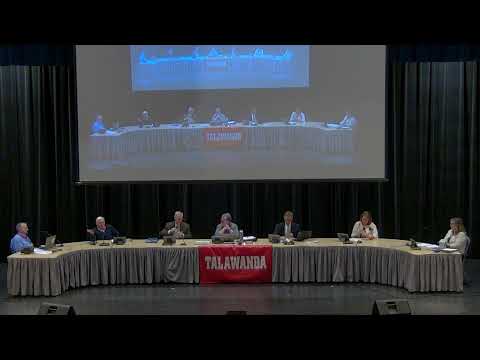
The Talawanda City School district board of education voted 4–1 on April 17 to adopt a resolution censuring board member Dawn King after a months‑long dispute over open Google calendars and the public release of a cybersecurity report.
The resolution, moved and seconded during the regular board meeting, followed extensive public comment and more than an hour of discussion among board members. Board President Dr. Howard called for the vote after members debated whether a board member’s access to and sharing of internal calendar entries and other district materials had crossed ethical lines and endangered student privacy.
The board’s nut graf: supporters of the censure said the member’s actions had risked exposure of sensitive student records and undermined trust; opponents argued the member was performing oversight and that the district had systemic security gaps that should have been fixed earlier.
Dawn King, identified in the meeting as a member of the board, defended her actions. “I did not place any IEP on Google Calendar,” she said, adding later, “I did not share any information that I found.” King said she had raised concerns about calendar settings after her husband noticed they were open and that she had sought executive session review earlier in the year.
Board members who supported the censure framed it as a matter of student protection. One member said the controversy “is about who we choose to be as a district” and argued that accessing confidential calendars and publishing instructions for others to view student documents was unacceptable. Another board member said the matter could have been handled without airing private details publicly: “Someone made a choice. And the choice was not in the best interest of our students,” the member said during debate.
Public comment at the meeting included parents, teachers, and union representatives who criticized the handling of the district’s calendars and the release of the cybersecurity report. Several speakers urged the board to prioritize student privacy and to change district practices and legal counsel if necessary. The Talawanda Educators Association co‑president told the board the controversy had caused a “severe crisis of confidence” among staff.
Board President Dr. Howard and other members said the board must rebuild trust and restore professional norms. The motion carried with four votes in favor and one opposed; Mrs. King cast the lone “no.” The board did not adopt additional disciplinary measures against King at the meeting beyond the censure language itself.
The board and multiple speakers referenced federal educational privacy rules (FERPA) and a state criminal statute during the debate; board members and public speakers urged further review of procedures and potential legal exposure. The meeting record shows the board accepted the censure resolution as its formal action on the matter and directed no immediate personnel sanctions beyond the censure.
The board indicated follow‑up steps could include a district work session on protecting student data and review of legal counsel; no specific timeline was announced during the meeting.