Get Full Government Meeting Transcripts, Videos, & Alerts Forever!
Get email alerts on the Animal Control topic
No spam. Unsubscribe anytime.
Residents and rescuers press commissioners on animal control after millage defeat; county staff say shelter remains open but understaffed
Summary
Residents and volunteers voiced urgent concerns at the May 21 Eaton County Board of Commissioners meeting, saying animal control staffing and operations have been reduced since a special millage failed, and asking the board to consider alternatives to losing local shelter services.
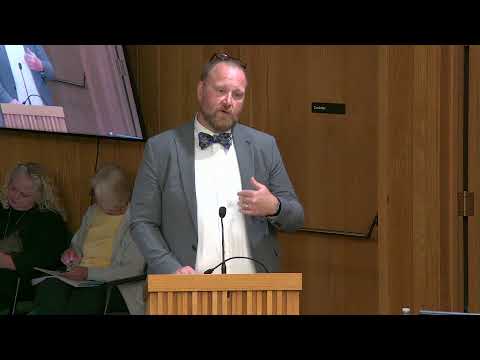
Several Eaton County residents and animal-rescue volunteers used the board’s limited public comment period on May 21 to press commissioners for clarity and help after the county’s special millage failed in early May.
“I’m here tonight to speak for the voiceless, the animals,” said Nicole Dungey, a property owner, who told commissioners she had field reports alleging the county animal control facility was closed and understaffed. “Apparently, there’s only 1 person caring for them,” she said, asking who made the decision to close the facility and when it would reopen.
Connie Capuja, a longtime volunteer with local rescues who said she does lost-dog searches and live trapping at her own expense, told the board she is collecting data on how other Michigan counties operate animal control so the county can consider alternatives, including minimal continuity of shelter services, expanded volunteer support, vaccinations and microchipping programs.
Controller and county administrator Connie Sobe addressed animal control in the administrator’s report, saying the county has had a “minimal” department that at times was down to two officers and is currently down to one. Sobe said lead animal control officer Christie Grunald is “doing everything she can” and pleaded for collaborative community input to find options to maintain services.
Why it matters: Animal control covers public safety and animal welfare; closure or curtailed hours shift response burdens to deputies, volunteer rescuers and neighboring jurisdictions and can create public‑health and safety concerns.
What the county said: In her remarks, Sobe said the shelter is open and that the county is working with limited staff. She encouraged residents and volunteers to bring ideas and to work with county staff; volunteer research from Capuja on other counties has been offered for review.
Public comments and concerns: Speakers repeatedly asked for transparency over the decision-making chain about shelter operations and suggested short-term ideas such as volunteer assistance, shared services with neighboring counties and creative fee or donation structures. Multiple callers pointed to a staffing shortage sparked by the millage defeat and asked the board to prioritize restoration or alternative service models.
Next steps: County staff said they will evaluate ideas offered by volunteers and other counties, and the board’s May 30 full-board budget meeting is expected to include more detailed discussions of mandated versus nonmandated services and staffing levels for departments including animal control. Volunteers signaled willingness to provide research and in-kind assistance.
Ending: Commissioners did not take an immediate vote on animal control operations at the May 21 meeting. The board and staff asked residents with expertise or proposals to submit their information to county staff before the May 30 budget meeting so the options can be considered alongside other service priorities.