Get Full Government Meeting Transcripts, Videos, & Alerts Forever!
Get email alerts on the Ethics Complaint Dismissal topic
No spam. Unsubscribe anytime.
Tennessee Ethics Commission dismisses consolidated complaints against Rep. Aaron Mayberry, warns against pre-filing press leaks
Summary
The Tennessee Ethics Commission unanimously dismissed five consolidated sworn complaints against Representative Aaron Mayberry for lack of jurisdiction, and adopted a formal statement cautioning complainants that public distribution of sworn complaints could prompt a show-cause hearing under state statute.
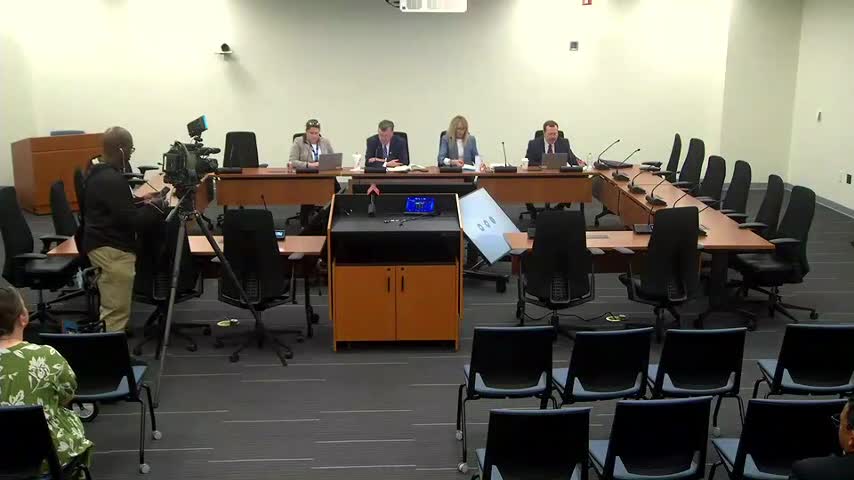
NASHVILLE — The Tennessee Ethics Commission voted unanimously to dismiss five consolidated sworn complaints filed against Representative Aaron Mayberry, concluding at a special called meeting that the panel lacks jurisdiction over the matters and that the allegations largely raise political questions rather than enforceable ethics violations.
Director Bill Young, executive director of the Ethics Commission, told commissioners the consolidated docket (Sworn Complaint C2025-002) raised three categories of claims: whether Mayberry could simultaneously hold state office and a seat on the Clarksville-Montgomery County school board; alleged deficiencies in statements of interest; and purported conflicts arising from Mayberry's legislative positions. "The ethics commission does lack jurisdiction to hear any of the matters raised in these complaints and staff recommendation is that these complaints be dismissed," Young said, summarizing a memorandum distributed to commissioners ahead of the hearing.
The dismissal followed staff analysis that authority to determine qualifications for office rests outside the commission, that the submitted statements of interest were timely and not shown to be deficient, and that local codes of conduct — not the state ethics commission — govern alleged conflicts tied to school-board duties. Young also cited prior Tennessee Supreme Court and attorney general guidance that, in the staff's view, does not create a constitutional bar to holding both offices.
Chair White opened the public, expedited hearing after staff explained why the meeting was called by telephone and why a statement of necessity under the Open Meetings Act (Title 8, Chapter 44, Section 108) would be filed. "I wanna thank you for the work you and your staff have done to investigate this matter while working to uphold Tennessee Code Annotated," Chair White said, noting the commission moved the special meeting because the complaints had already been circulated to the press.
Commissioner Gilbert moved to adopt staff's recommendation to dismiss the consolidated complaints. Commissioner Stacy Floyd Thomas seconded the procedural motion to close the matter on jurisdictional grounds; commissioners Martin McCain, Lynn Richardson, Charles Traubler and another member on the roll call voted yes, producing a unanimous dismissal.
After the dismissal vote, several commissioners expressed strong disapproval that complainants shared sworn complaints with media outlets before filing them with the commission. Chair White and Commissioner Floyd Thomas urged commissioners to place a formal statement in the record condemning that practice and reminding complainants of statutory sanctions. "Submitting a complaint containing false information or submitting a complaint in reckless disregard of the truth ... constitutes a class 2 offense," Chair White said, paraphrasing language included on the sworn-complaint form and described in Tennessee Code Annotated during the meeting.
Commissioner Floyd Thomas moved that the commission issue a written statement for the record warning that similar conduct could lead to a show-cause hearing under the relevant statute; Commissioner Gilbert seconded. Counsel Lauren Topping advised that the commission could either (1) place the concerns in the meeting minutes or (2) set a show-cause hearing under the statute to allow complainants to explain why penalties should not be imposed. The commission voted unanimously to adopt the statement for the record and to warn that further similar conduct could prompt a show-cause hearing.
Director Young told commissioners the staff memorandum and related materials would be made part of the public record after the meeting. He also said the memorandum noted the complainants had not alleged any timing or filing deficiencies in Mayberry's statements of interest, and that local school-board ethics codes — not the state ethics commission — contain processes for addressing alleged school-board violations.
Chair White closed the expedited hearing by restating the commission's concern about the manner in which the complaints became public and reminding participants that the commission's next regularly scheduled meeting is slated for Aug. 12. The commission adjourned after the votes and the formal statement were recorded.
Votes at a glance - Motion to dismiss consolidated sworn complaints C2025-002 (staff recommendation: lack of jurisdiction): Mover — Commissioner Gilbert; Second — Commissioner Stacy Floyd Thomas; Vote — unanimous (yes: Floyd Thomas; Gilbert; McCain; Richardson; Traubler; White); Outcome — approved. - Motion to adopt a statement for the record warning that pre-filing disclosure to the press could prompt a show-cause hearing under statute: Mover — Commissioner Stacy Floyd Thomas; Second — Commissioner Gilbert; Vote — unanimous; Outcome — approved.
What the commission said about jurisdiction and next steps Staff and commissioners repeatedly distinguished political disagreement from enforceable ethics violations and noted that the matters raised — including questions about dual office-holding and legislative positions — are either determined by other authorities or by the courts if constitutional questions arise. Commissioners left open the procedural option to call a show-cause hearing if future filings mirror the conduct they criticized, but did not schedule one at this meeting.