Get Full Government Meeting Transcripts, Videos, & Alerts Forever!
Get email alerts on the Superintendent Search topic
No spam. Unsubscribe anytime.
Monroe County school board hears finalists' entry plans on curriculum, safety, staffing and housing
Summary
Five finalists for Monroe County School District superintendent presented 90‑minute interviews outlining listening tours, staffing and budget strategies, plans to expand advanced courses and career programs, and steps to address school safety and housing for employees. The board will decide May 6.
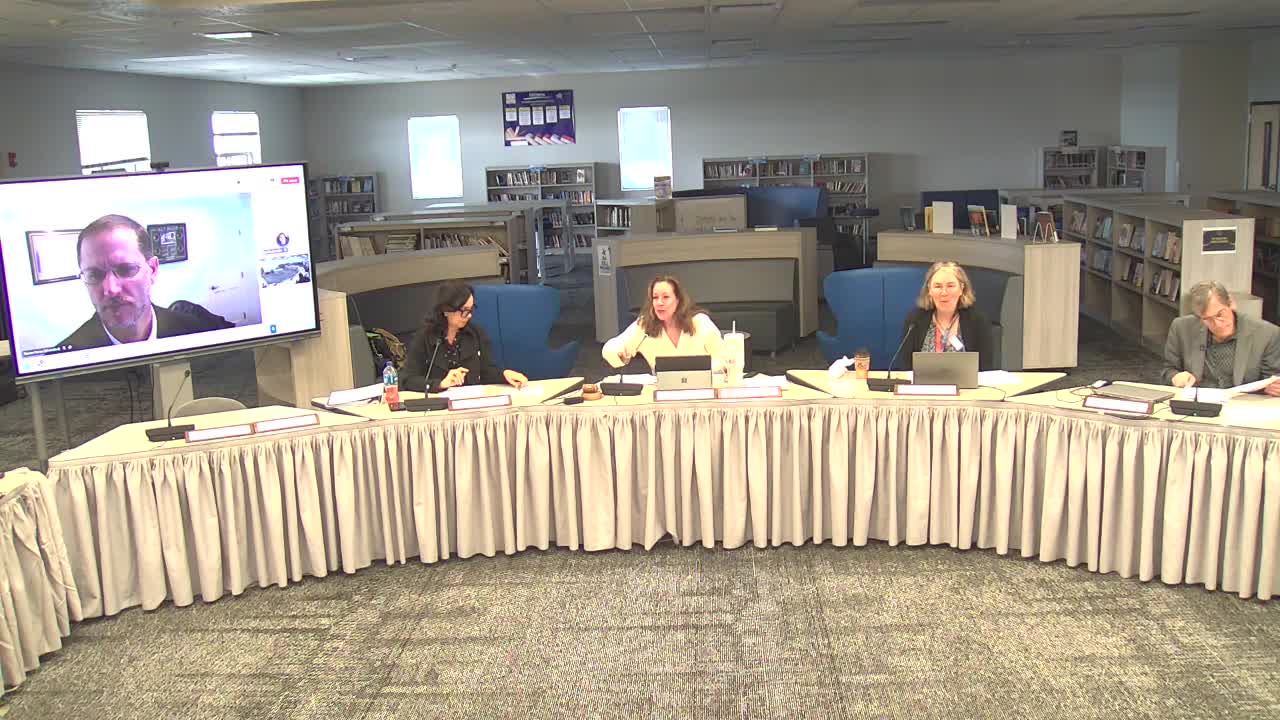
The Monroe County School Board on consecutive days interviewed finalists for superintendent, hearing each candidate’s short opening statement and a 90‑minute question-and-answer session on entry plans, academic priorities, safety and staffing.
Why it matters: The board’s next superintendent will lead a district that spans more than 100 miles and faces distinct needs in the Upper, Middle and Lower Keys — from staffing and budget pressure to student access to advanced coursework, career‑technical programs and school safety. The board scheduled a public decision meeting for May 6; community input was collected via an online survey the board will review before selecting a finalist.
Each finalist emphasized an initial listening period, frequent school visits and a data-driven start. Ed Tierney, identified in the interview as deputy superintendent and chief of schools in Palm Beach County, described an entry approach that “I would come in to listen and learn” and said his early focus would include scheduling and curriculum alignment so teachers and students are better matched to instruction. Laura Lehtart, a Monroe County principal candidate who framed her candidacy as a local educator, told the board she would “build on the foundation that’s in place” and signaled an early emphasis on student voice and school‑level supports.
Candidates presented similar starting priorities: a listening tour across Keys schools; a close review of the district’s curriculum and assessment documents; and an early focus on scheduling and staffing models that increase access to advanced coursework and dual‑enrollment opportunities. Several finalists pointed to middle‑ and high‑school scheduling as a lever to both expand advanced opportunities and narrow achievement gaps, and to professional learning and mentoring as the way to keep teachers in the classroom.
On safety and crisis communications, finalists described layered strategies that combine physical hardening, mindset and culture, and rapid communication protocols. Multiple candidates said they would preserve careful, factual messaging during incidents and coordinate closely with law enforcement. One finalist described a practice of issuing an initial parent message that “your kids are safe, we are acting on it” and following with regular updates while withholding operational details that could harm safety operations.
Staffing, retention and compensation surfaced repeatedly. Candidates praised Monroe County’s existing pay competitiveness, called teacher and support‑staff recruitment a top priority, and urged a mix of local recruiting, stronger onboarding and year‑one induction/mentoring programs to reduce early‑career attrition. Several finalists said the community’s history of ballot support for schools is an asset for recruitment and for sustaining programs.
On advanced academic and career options, candidates proposed expanding access to AP and dual‑enrollment courses through technology and district partnerships, and scaling career‑technical programs tied to local labor demand. One finalist cited recent increases in AP or scholarship outcomes in his current district as the result of deliberate scheduling and professional development.
Community integration and employee housing also came up. Board members and candidates discussed limited housing and long commutes for staff across the Keys. Several candidates asked the board to continue exploring district‑led or partner projects that preserve or create workforce housing for teachers, bus drivers and other essential staff.
Candidates spoke about technology and artificial intelligence cautiously: none recommended unfettered adoption. Instead they proposed pilot programs, teacher training, and formal policies to teach students how to use AI responsibly while exploring ways AI might reduce adult workloads (for example, lesson planning supports).
What the board asked and what came next: Board members repeatedly asked how each candidate would measure early success and what a successful first year would look like. Answers commonly referenced visibility in schools, a prioritized set of instructional goals drawn from the district’s strategic plan, and measurable improvements in attendance, graduation or subgroup performance where immediate gains are possible.
The board will review community feedback collected after the interviews and meet May 6 to select the new superintendent. The finalists will also continue through scheduled one‑on‑one interviews with board members and community meet‑and‑greet events.
Ending note: The interviews highlighted shared priorities — listening, frequent school visits, preserving safety, supporting teachers and expanding student access to advanced and career programs — while leaving substantive budget and implementation choices to a newly selected leader and the board’s follow‑up decisions.