Get Full Government Meeting Transcripts, Videos, & Alerts Forever!
Get email alerts on the Youth Violence Prevention topic
No spam. Unsubscribe anytime.
Former gang member outlines prevention, mentoring work with Pueblo youth
Summary
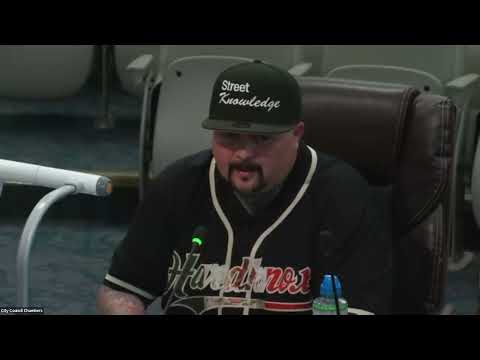
Mark Salazar, founder of Hard Knocks Gang Prevention and Intervention, told the Pueblo City Council about his program’s mentoring, probation partnerships and chess-based curriculum and asked for community and council support to expand services and resources.
Mark Salazar, founder and CEO of Hard Knocks Gang Prevention and Intervention, told the Pueblo City Council on April 28 that his program runs evidence-based group sessions with juveniles referred by probation and child-welfare services and operates chess and mentoring programs at local libraries to teach impulse control and decision‑making.
Salazar said the program facilitates weekly groups at the probation department and provides therapeutic mentoring “primarily, like, on Friday, Saturday, and Sunday.” He described a chess curriculum he uses at Lucero and Rawlings libraries to emphasize thinking ahead: “the game of life is very much like the game of chess, and they both require that you make the right moves to win.”
The presentation and a subsequent question-and-answer period focused on the age at which youths are recruited into gangs, how to connect youths who want to leave gangs with jobs or recreational activities, and funding constraints. Councilor Martinez praised Salazar’s rapport with youth and said he had seen the program in action at probation sessions. Martinez asked, “What's the average age right now of these young people getting jumped into gangs?” Salazar replied that recruitment often begins as early as 9 or 10 years old and explained the program’s focus on teaching protective factors and managing emotion-driven decision making.
Council members and other speakers offered practical suggestions and support. Councilor Flores asked how the program helps youths who want to leave gangs and whether the nonprofit could connect them to jobs; Salazar said he assists older teenagers with resumes and job applications and partners with local gyms and recreational programs to provide constructive alternatives for younger children. Councilor Maestri encouraged outreach to local businesses for fundraising and in-kind support. Several council members, including Councilors Tina and Boston, publicly thanked Salazar and offered to help connect him with resources.
Salazar said Hard Knocks is a 501(c)(3) incorporated in July 2015 and has received some contracts and small grants. He described barriers that his criminal record has created in pursuing placements inside certain juvenile facilities, and he said those limitations can hinder scaling services into correctional settings. Salazar said the program recently received a grant from “ANT” (name as spoken) and said he is pursuing other funding, including a possible grant to acquire a used van to transport youth to program activities.
Council discussion did not produce formal direction or funding commitments; members offered individual offers of assistance, requested Salazar share his PowerPoint and contact information, and encouraged potential connections with law-enforcement outreach programs and Police Athletic League–style mentoring.
Salazar left materials for the council and asked for feedback on partnerships and funding opportunities. Council members closed the item by thanking him for the presentation.