Get Full Government Meeting Transcripts, Videos, & Alerts Forever!
Get email alerts on the Housing Policy topic
No spam. Unsubscribe anytime.
Development Department outlines housing, ADU incentives, small-business programs and zoning updates
Summary
Wauwatosa’s Development Department presented its annual report April 21, highlighting the Tulsa Tomorrow comprehensive plan adoption, an ADU utility-connection incentive, housing rehabilitation loans, small-business financial assistance, upcoming zoning code updates and a master‑planning partnership for the research park.
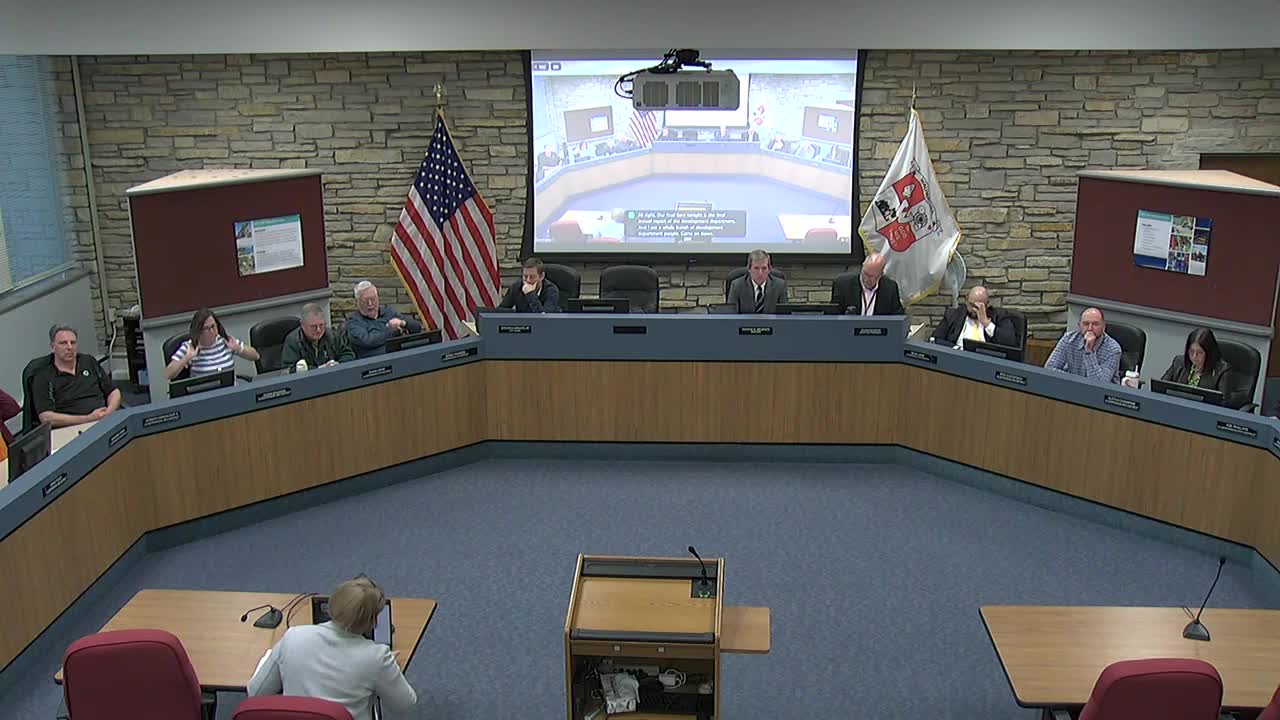
The City of Wauwatosa Development Department delivered its annual report to the Common Council on April 21, summarizing recent accomplishments and upcoming initiatives across property maintenance, comprehensive planning, housing rehabilitation, accessory dwelling units (ADUs), small-business assistance and a research‑park master plan.
Why it matters: The department’s programs and code updates will shape housing availability, neighborhood conditions and business development in coming years. Staff outlined specific incentive programs and program volumes that council members pressed to see measured goals and clearer implementation steps.
Key points presented by department staff: - Comprehensive plan: Tammy Zutte, Planning and Zoning Manager, said Wauwatosa adopted the Tulsa Tomorrow comprehensive plan in February and emphasized that the plan is a non‑regulatory policy guide implemented through budgets, the CIP and zoning code amendments. Zutte said zoning must be consistent with the plan pursuant to state statute and staff are preparing code updates focused on housing regulations. Zoning code amendments are planned for introduction after a high‑level review at the April Plan Commission.
- ADU incentive program: Staff reported a financial incentive that provides up to $25,000 for utility connection costs to the first four applicants meeting program criteria. Staff outreach contacted over 70 interested property owners; follow‑up consultations numbered about 25 and staff estimated roughly two currently viable applicants. Staff and council members discussed that construction costs and lot‑coverage/zoning limits have reduced uptake, and that staff are considering zoning revisions (for example, allowing ADUs on duplex lots and excluding ADUs from lot coverage calculations) to improve feasibility.
- Housing rehabilitation program and federal funding: Carl Schreiber, housing rehabilitation and CDBG programs manager, said Wauwatosa has not yet received a 2025 CDBG award and expects an announcement from HUD within roughly 30 days. The city’s in‑house housing rehab loan program has issued about $500,000 in construction loans for roughly 30 projects to date. Beginning in 2025, loan disbursements will use both CDBG and ARPA funds.
- Small-business assistance and Engage Wauwatosa: Jen Ferguson, economic development manager, reviewed low‑interest loan programs (up to $100,000), forgivable facade/code‑compliance loans, and ARPA‑funded support for outdoor spaces and equipment. She highlighted the Engage.Wauwatosa.net portal and a development map to provide project status, contact information and opportunities for public involvement. Ferguson noted the Community Development Authority approved projects including the Pipsqueak Wine patio referenced earlier.
- Future initiatives: Staff listed implementation goals including a target to issue residential permits within 10 business days, zoning updates to align with the comprehensive plan, transitioning ADU funding from ARPA to CDBG where appropriate, continued CDA work on an affordable‑housing fund policy, and a master plan partnership with Ergens for the research park.
Council discussion: Alder Ernie and others thanked staff and requested clearer, measurable housing goals and metrics. Staff acknowledged work on an affordable housing fund policy and said the CDA has drafted initial parameters for allocating roughly $600,000 currently available, with additional funds expected when Mandel closes. Alders raised questions about ADU viability; staff said about 70 expressions of interest became approximately 25 follow‑ups and roughly two viable projects so far, and acknowledged construction costs are a barrier.
What’s next: Staff will bring zoning code amendments and ADU clarifications informed by the Tulsa Tomorrow plan to upcoming Plan Commission and council meetings; HUD CDBG award announcements are pending and staff will update the council when funding details are available.