
School board approves TRID-related development after debate over Manchester outreach
Get AI-powered insights, summaries, and transcripts
Subscribe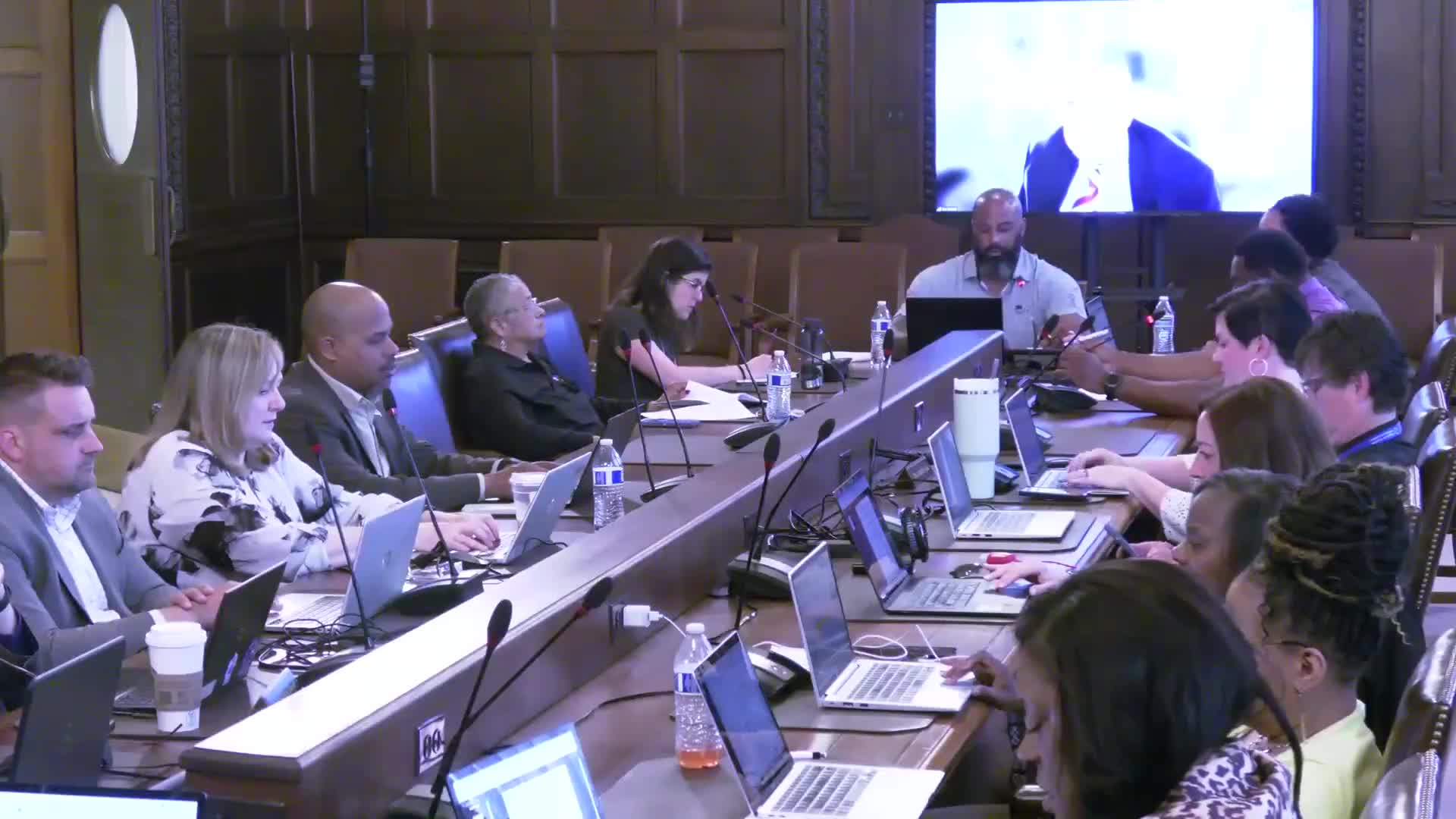
Summary
After hours of debate and a failed attempt to delay consideration, the Pittsburgh Board of Public Education voted to approve item 12.02 — a tax-incentive/Trade District (TRID) matter tied to the Esplanon project — following concerns from Manchester residents about developer meetings, community benefits and minority contracting.
PITTSBURGH — The Pittsburgh Board of Public Education on April 30 approved item 12.02, a measure tied to a tax-incentive/Trade District (TRID) development project in the Manchester neighborhood, after a lengthy discussion about whether the board should delay the vote to allow more direct meetings between residents and the developer. The vote on the item was recorded as 5 yes, 1 abstention and 1 no.
Board members said they were weighing competing priorities: honoring resident requests for more direct engagement and moving forward with a development the district and some city leaders say will bring housing, jobs and neighborhood investment.
Director Barker (board member), who moved to table the item until the next legislative meeting to allow the neighborhood more time to meet with the developer, cited a petition and residents’ complaints that they had not been given adequate opportunity to participate. "Our job as elected officials is to listen to all voices," Barker said during the discussion. Supporters of delaying the vote pointed to a petition with more than 300 signatures and asked the board to require a formal, documented community meeting before taking final action.
Opponents of the tabling motion said the development carries written protections and benefits. Board members noting those protections described the project as including roughly 300 housing units in the first phase (with 20% described in discussion as affordable) plus an additional 100 off-site affordable units, and said parts of the agreement include tax-abatement provisions intended to fund neighborhood repair and protections such as a property-tax freeze for long-standing homeowners. A board member also said a community meeting was already scheduled for May 12 to allow residents to raise concerns directly with the developer and other stakeholders.
Director Rudin (board member) urged stronger, enforceable commitments from the developer, saying, "There has to be a written list of commitments that the developers can be held accountable to," and recommending a formal community benefits agreement rather than verbal promises. Several board members asked whether minority contracting targets or job guarantees for Manchester residents were spelled out in the TRID/transaction documents; staff and other directors said targets and minority-business considerations were part of planning materials and presentations previously provided to the board, but that precise percentages or contract counts were not presented as binding guarantees in the TRID documentation before the board.
The board also debated the practical effect of a short delay. Those opposed to tabling said delaying would not ensure a different outcome and could stall investment that supporters said would bring jobs and commercial opportunities to the North Side and Manchester. During the debate, at least one board member said the developer had said it could break ground in June or July if the board approved the transaction promptly.
Procedure and voting: Director Barker moved to table item 12.02 until the next legislative meeting; that tabling motion did not pass on a roll-call vote. The board then proceeded to a roll-call vote on the committee report that included item 12.02; the roll call on the item recorded 5 yes, 1 abstention and 1 no, and the item was approved.
What remains: Board members and staff said a community meeting is scheduled for May 12 and encouraged residents to participate. Several directors said they expect ongoing oversight of how developer commitments are implemented, and some urged that any community commitments be put into enforceable, written agreements. The development proponents say the project includes affordable housing units, minority-business participation goals and tax-abatement-backed neighborhood investments, but specific contract counts and the locations of off-site affordable units were described in discussion as "not specified" in the documents reviewed at the meeting.
The board handled multiple administrative items at the same meeting, including personnel and finance reports, and approved a $10,000 mental-health education grant as new business. The discussion and votes on 12.02 were the principal substantive policy debate recorded in the April 30 legislative session.